
Last updated November 23, 2026
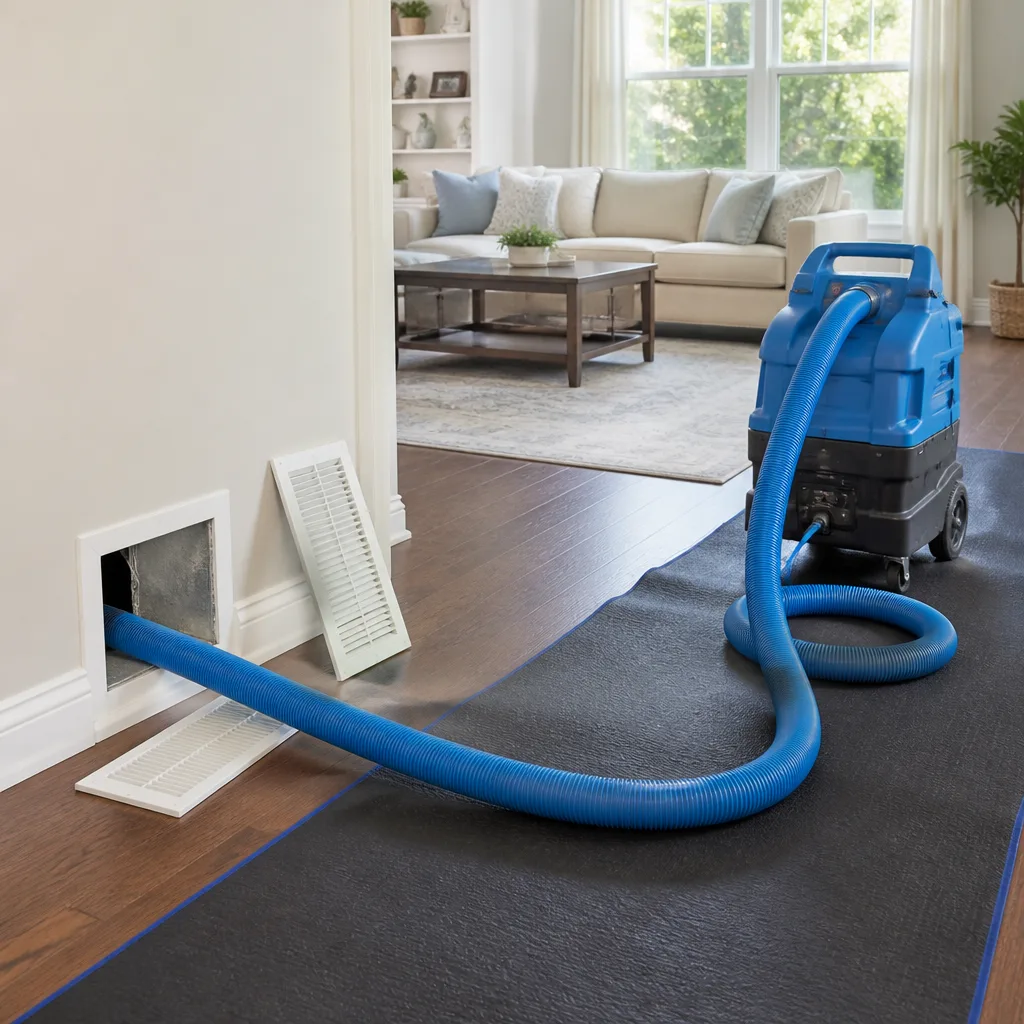 Whole-home duct cleaning
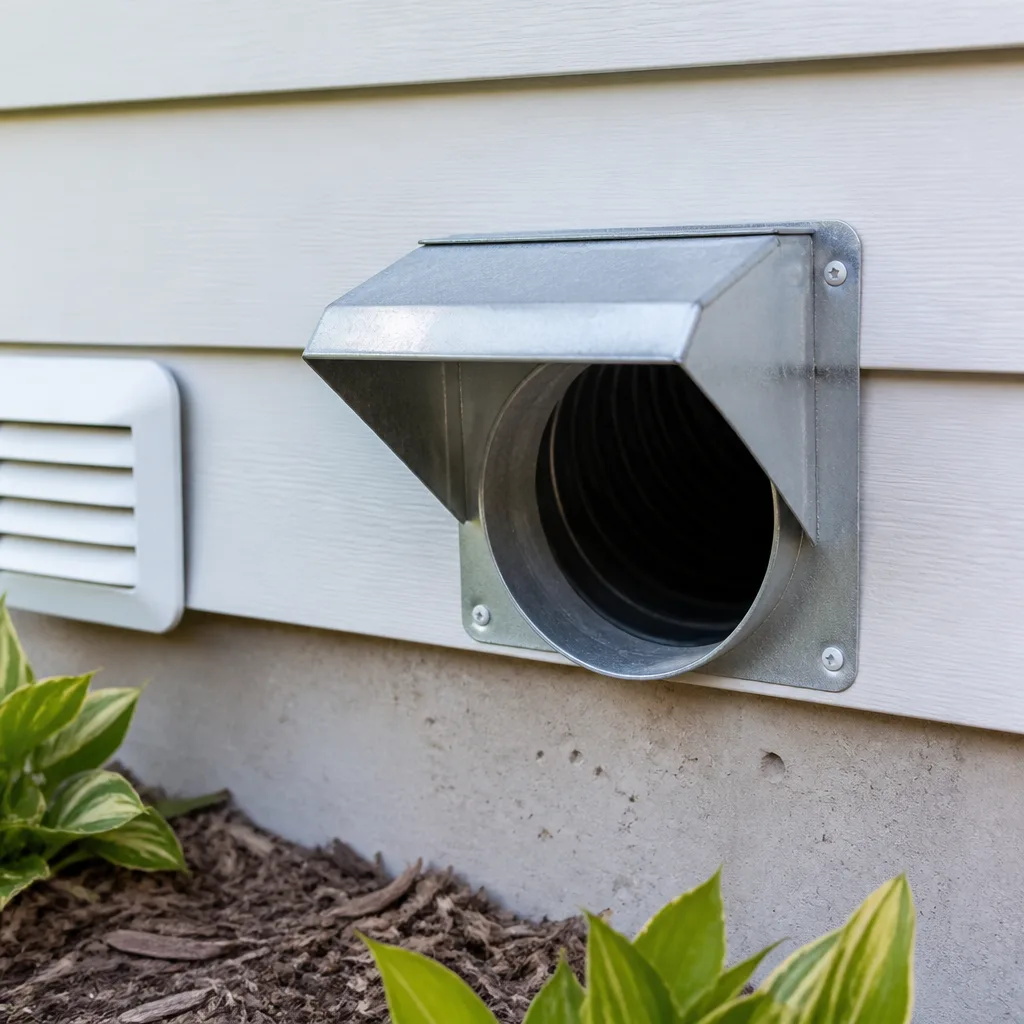 Dryer vent cleaning
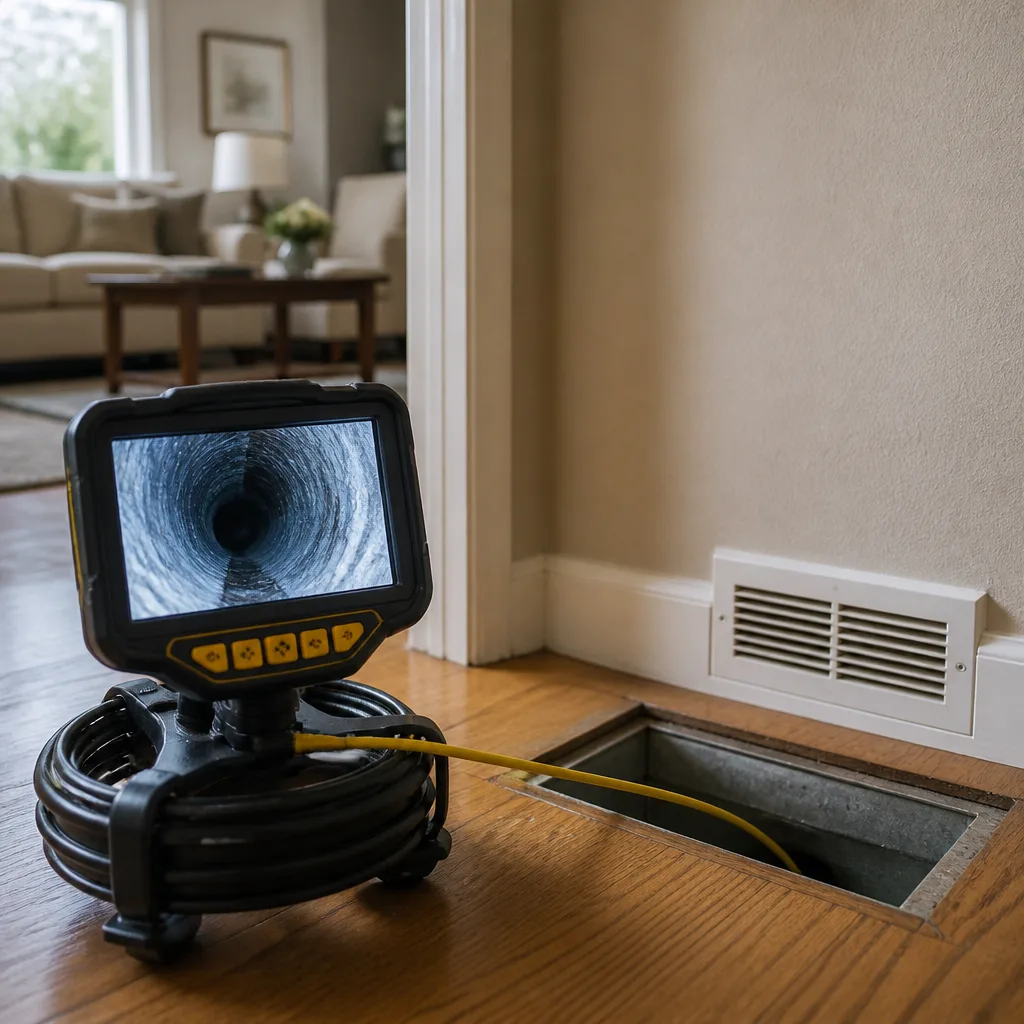 Camera inspection
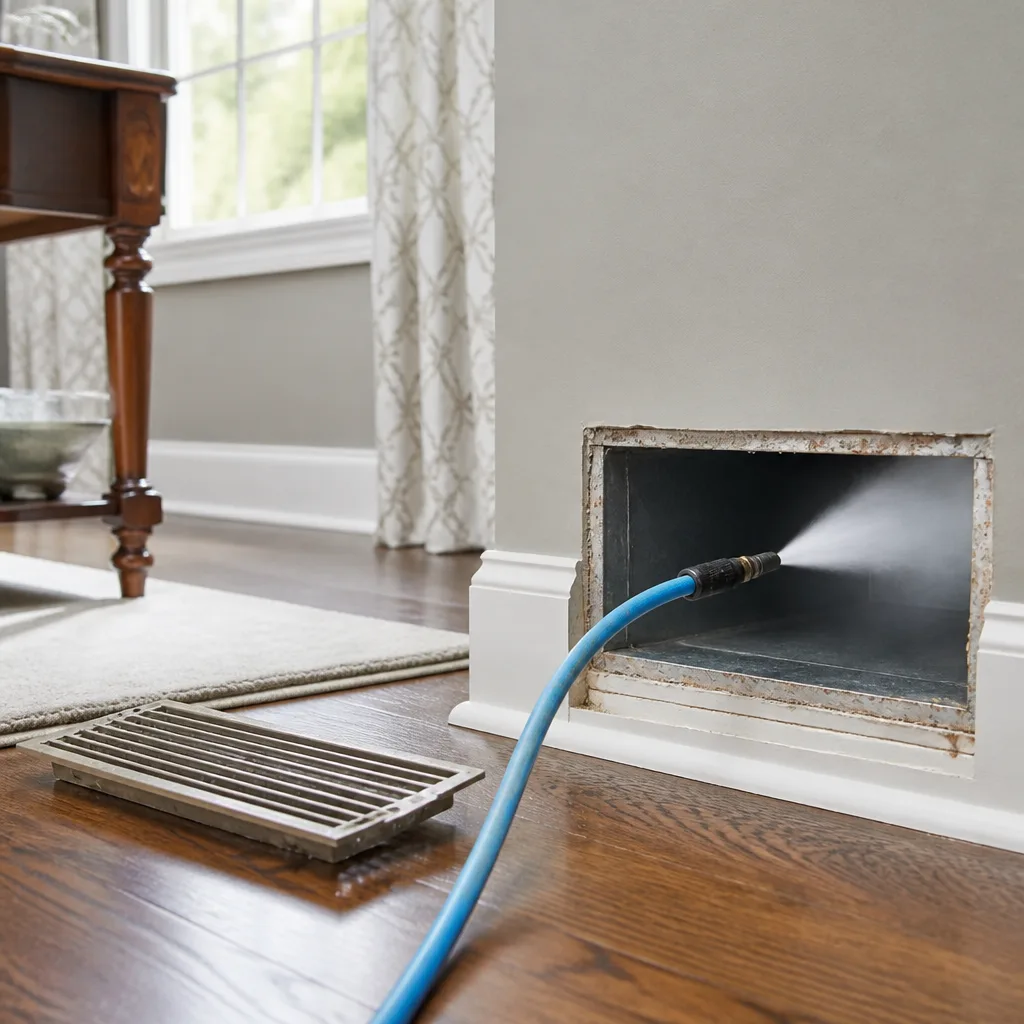 Sanitizing & deodorizing
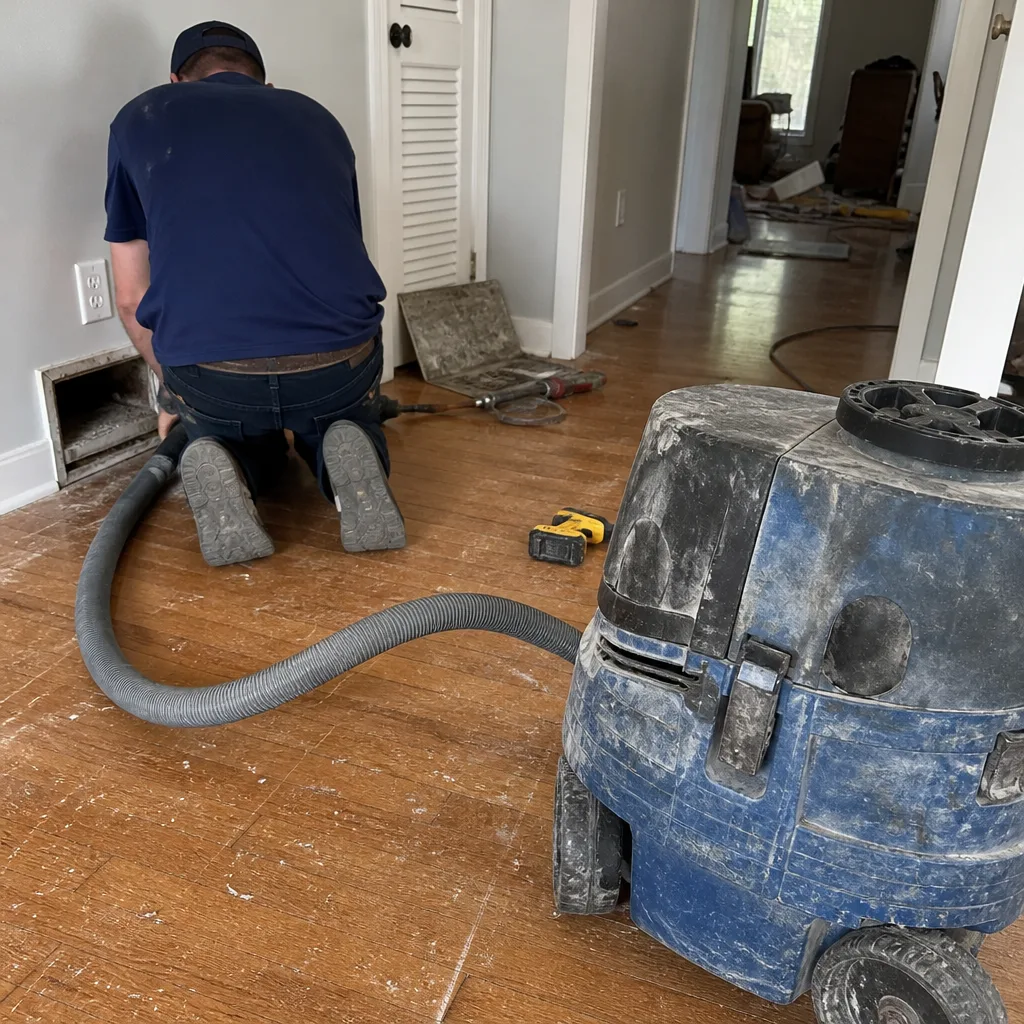
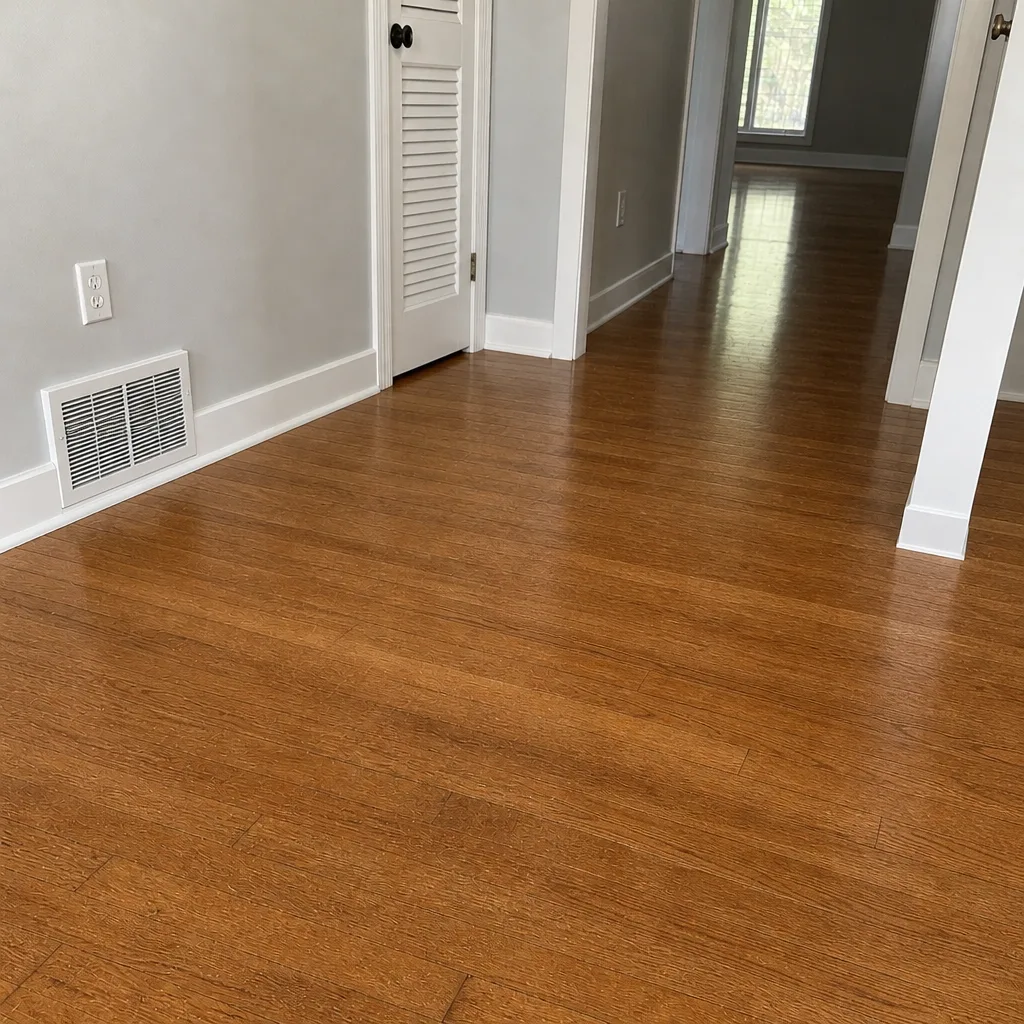
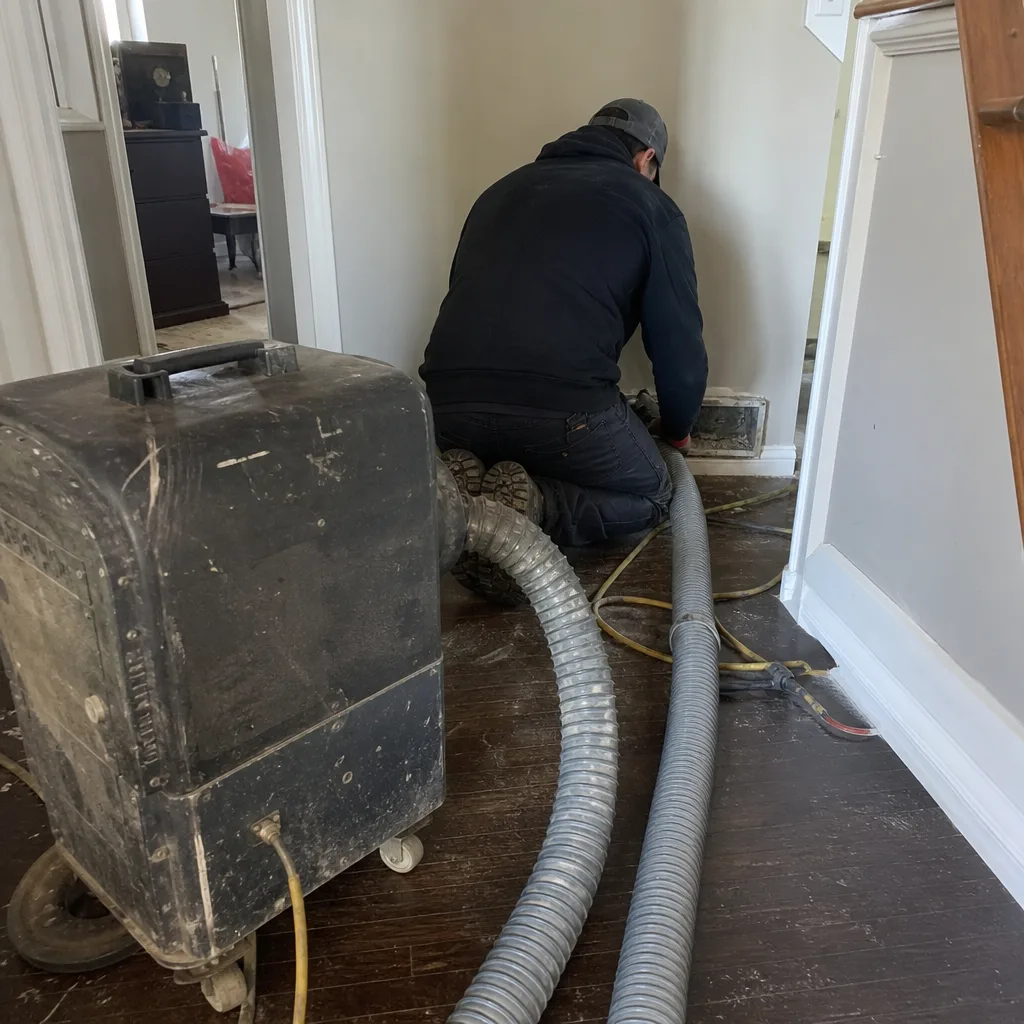
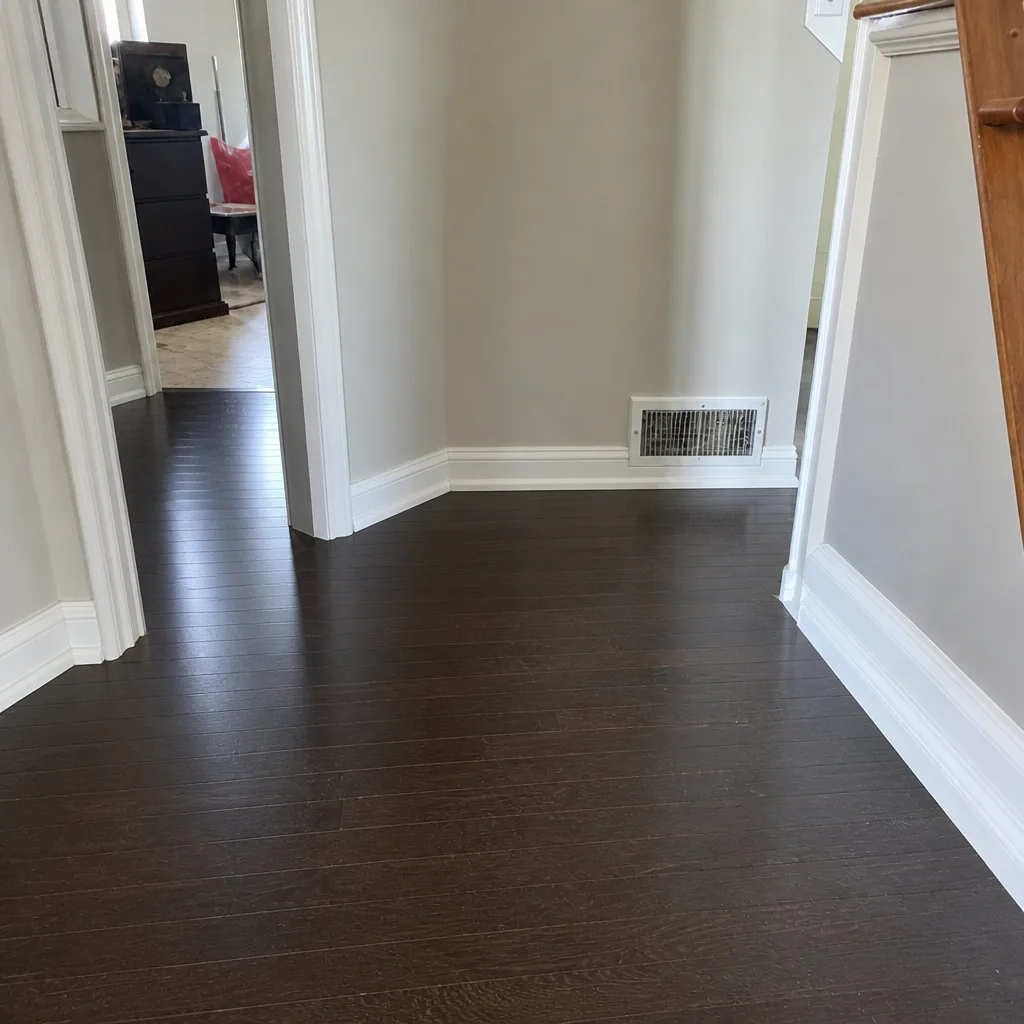
Whole-system duct and dryer vent check with before-and-after photos - you see exactly what came out of your vents
That "$99 whole-house special" is a bait ad - the real number appears once they are in your hallway, or the "clean" is a shop-vac at the register. We photograph the inside of your ducts before and after instead.
Air Duct Cleaning Permits, Codes & Inspections in Southeast Raleigh, NC: What You Need to Know
Here’s the part of the conversation almost nobody has before the work starts: cleaning the inside of your ducts and cutting into them are two very different jobs in the eyes of North Carolina code. The first is routine maintenance. The second is a mechanical modification, and it can require a permit from Wake County. Homeowners who approve a “quick fix” for a collapsed flex run often assume their contractor handled the paperwork. Usually the homeowner is the one legally on the hook if it wasn’t. This guide draws the line for you: what needs a permit, what doesn’t, how the Wake County process works, how to check a contractor’s credentials in Southeast Raleigh, and what paperwork to keep for resale or insurance.
Quick Answer
Routine air duct cleaning in Southeast Raleigh needs no permit. Repairing, replacing, or altering ductwork is a mechanical modification under the North Carolina Mechanical Code, and that work generally requires a permit through Wake County, inspected before the system is closed back up. Duct sealing with mastic or approved tape usually does not need a permit; replacing duct sections with new material usually does.
Styles & brands we work with
- Whole-home duct cleaning
- Dryer vent cleaning
- Camera inspection
- Sanitizing & deodorizing
Table of Contents
- Cleaning vs. Modification: Where the Regulatory Line Sits
- How the Wake County Permit Process Works for Ductwork
- How to Verify a Contractor Is Licensed for Duct Repair
- Why Sealing Usually Needs No Permit but Replacement Often Does
- What Documentation to Request After Any Duct Work
- Duct Work, Resale, and Insurance: What Buyers and Adjusters Look For
- What Southeast Raleigh Homes Are Actually Dealing With
Cleaning vs. Modification: Where the Regulatory Line Sits
The North Carolina Mechanical Code separates duct cleaning from ductwork repair, and the distinction is practical rather than technical. Cleaning removes debris from ducts that are already built and in place. The system itself doesn’t change. Modification means the system changes: a run gets cut, spliced, rerouted, or swapped for new material.
Cleaning and maintenance are exempt from permitting. You’re not altering the structure of the forced-air system; you’re restoring it. That’s why a straight air duct cleaning visit in Southeast Raleigh moves through a home without any permit being pulled. The work scope is maintenance.
The line sits here: the moment a technician cuts into a duct, connects a new section, or replaces a run with different material, the work is typically a mechanical modification. In Wake County, that usually triggers a permit and an inspection.
- Cleaning: no permit. Removing dust, debris, and buildup from existing ducts.
- Sealing: usually no permit when done with mastic or approved tape on existing joints. Confirm with the contractor and, for larger jobs, with Wake County.
- Repair: often requires a permit when sections are cut, removed, or rejoined.
- Replacement: typically requires a permit when new duct material or new flex runs are installed.
- New runs or additions: generally requires a permit.
In our experience, homeowners learn this distinction after the fact. A technician diagnoses a sagging or crushed flex run in a crawlspace or attic, replaces it on the spot, and everyone moves on. Months later, an inspection during resale surfaces the unpermitted work. The contractor’s invoice is a receipt, not a permit – and a receipt doesn’t clear a code record in Wake County.
How the Wake County Permit Process Works for Ductwork
For ductwork repairs and replacements in Southeast Raleigh, the permit is typically pulled by the licensed mechanical contractor performing the work, not the homeowner. The permit triggers an inspection, and the inspection should happen while the duct system is still open and accessible, before it’s sealed, insulated, or buttoned back behind drywall and crawlspace vapor barriers.
The sequence looks like this:
- Scope and quote. The contractor inspects the system, identifies what needs modification, and documents the scope in writing.
- Permit application. The licensed contractor pulls the mechanical permit through Wake County, listing the address, scope, and contractor details.
- Rough-in inspection. A county inspector checks the work while ducts are exposed – joints, connections, support, and material.
- Correction or signoff. If the inspector flags an issue, it’s corrected and re-inspected. If it passes, the inspector signs off.
- Close-out. The permit closes on record, and the permit number should be added to the contractor’s invoice and your home file.
Timelines in Wake County vary by current inspection volume and how promptly the contractor schedules the inspection. Timeline claims from any contractor should be treated as estimates, not commitments. The homeowner’s job is to ask three questions up front: Will you pull a permit for this scope? Will the permit number appear on my invoice? Who schedules the inspection?
If a technician proposes any modification work in your Southeast Raleigh home – even something that sounds small, like “splicing in a fresh section” – those three questions are the ones to ask before anyone reaches for a knife.
How to Verify a Contractor Is Licensed for Duct Repair
North Carolina licensing is not a single ladder where all duct work sits on the same rung. Cleaning services and mechanical contracting are regulated differently, and the type of work a technician is licensed to perform depends on which classification they hold. A company set up to clean ducts is not automatically licensed to modify them.
You can verify a contractor’s status directly through the North Carolina licensing board that regulates mechanical contractors. The state’s online lookup allows you to search by company name and confirm the license class, status, and any disciplinary record. A license number typed on an invoice proves nothing until you’ve entered it into that lookup yourself.
A few practical checks before you commit to any duct modification in Southeast Raleigh:
- Ask the contractor to state the license classification that covers duct repair and replacement. A vague answer is a red flag.
- Cross-check the license number through the state lookup. Confirm name, class, and current status.
- Ask whether the company is insured, and request a certificate of insurance. You want the certificate sent directly by the insurer, not a photocopy from the contractor.
- Ask for the permit scope in writing. The permit application should match what you’ve been told happens on site.
- Confirm who on the crew will perform the modification work. The company licensed for the job should be the one doing it.
None of this is adversarial. It’s how a homeowner in Southeast Raleigh protects themselves from a scenario where the company performed work outside its license, the county discovers it later, and the responsibility lands in the wrong lap. Because duct modification work that crosses that line quietly tends to surface at the worst possible time – during a home inspection, an insurance claim, or a resale closing.
Why Sealing Usually Needs No Permit but Replacement Often Does
Duct sealing is one of the most common repairs a technician finds needed in Southeast Raleigh homes, especially older crawlspace systems where the joints have dried out and started leaking. Sealing is usually a maintenance activity – it doesn’t change the system, it restores the joints. Mastic and approved duct tape applied to existing seams typically fall entirely outside the permitting process.
Replacement is where things change. The moment a run is removed and reinstalled with new flex duct, new rigid pipe, or new material, the scope of work has crossed from repairing the existing system to altering it. In Wake County, that replacement usually requires a permit and an inspection because the inspector needs to verify the new material is correctly sized, supported, and connected before it’s hidden behind insulation or drywall.
The practical distinction for a homeowner:
- Sealing a joint: existing duct, existing material, no system change. Fast, affordable, rarely permitted.
- Sealing a whole branch: depends on scope. A branch with multiple sealed joints still doesn’t change the system. Still usually no permit.
- Replacing a collapsed section: changing material. Usually requires a permit.
- Rerouting a run: changing the system layout. Usually requires a permit.
- Adding a new branch: adding to the system. Requires a permit.
Duct sealing is a core service for us – not because we’re chasing permit work but because leaky ducts waste conditioned air and pull contaminated attic or crawlspace air back into the home. When we quote a HVAC cleaning alongside sealing work, we flag in writing whether any part of the scope crosses into modification, so the homeowner knows whether the county needs to be involved before the work starts. That conversation happens up front, not after the invoice is printed.
The one thing no homeowner should ever accept is a technician who says “we’ll skip the permit to speed things up.” A permit is not there to slow you down; it’s there so an independent inspector verifies the modification on record.
What Documentation to Request After Any Duct Work
If any duct modification or replacement happens in your Southeast Raleigh home, the paperwork matters as much as the work. Documentation doesn’t just protect you at resale and insurance time – it proves what was done, by whom, and that it was inspected.
Here’s what to collect and keep in a permanent home file:
- The Wake County permit number. Ask for it in writing. Match it against the county’s permit record to confirm it was closed out properly.
- The signed inspection signoff. The inspector’s record should show the modification passed.
- Itemized invoice. Description of the exact work, the material used, and the date of completion.
- Before-and-after photos. A contractor prepared to document their work will bring a camera into the attic or crawlspace. We include before-and-after photos of the actual ductwork as standard practice – not just cleaned ducts, but the specific sections that were modified.
- Material documentation. For any new flex or rigid duct installed, a record of the material specification helps at inspection time and at resale.
- Contractor’s license number and certificate of insurance. Copies, not just the numbers on the invoice.
- Warranty terms on the modification work. In writing, with a defined scope and duration.
If a contractor can’t produce any of these after the work is done, ask why. A licensed mechanical contractor who follows the process should have every one of these documents ready.
Duct Work, Resale, and Insurance: What Buyers and Adjusters Look For
Two third parties care about duct modification records: home inspectors working with buyers, and insurance adjusters responding to a claim. Both treat unpermitted modification work as a red flag because it introduces uncertainty about what was actually installed and whether it meets code.
At resale, a buyer’s inspector will typically check for permit history on any mechanical modifications made to the home. If a duct replacement shows up on a contractor invoice but not in the county’s permit record, the buyer’s inspector will note it, and the buyer’s agent will ask for documentation – which you may no longer have. That can mean delay, re-inspection costs, or a negotiated price drop.
On an insurance claim, adjusters look for the same evidence: what was installed, when, by whom, and whether it was inspected. A water-damaged duct section that was never permitted and never inspected is a different conversation than one with a clean Wake County permit trail behind it.
For duct cleaning records, the resale conversation is lighter but still worth having. Keep the invoice showing the scope, date, and equipment used. A buyer who sees documentation of a professional dryer vent cleaning and duct cleaning treatment on the home file has a tangible record of maintenance – one that quietly answers “has this home been cared for?” without anyone having to argue the point.
If duct work in your Southeast Raleigh home involves a modification, the resale file should contain: permit number, inspection signoff, itemized invoice, before-and-after photos, and the contractor’s license and insurance records. Missing any of these is a solvable problem when it’s addressed now, and a difficult problem when it surfaces during the closing process.
What Southeast Raleigh Homes Are Actually Dealing With
Southeast Raleigh’s housing stock varies more than most of the city’s. Older homes with crawlspace ductwork and newer construction with attic runs sit within a few blocks of each other, and each presents different code questions when it’s time for cleaning or repair.
Crawlspace systems in Southeast Raleigh get hit hard by humidity. Joints dry out, mastic cracks, flex runs sag or collapse, and conditioned air leaks into the crawlspace where it’s wasted. Those systems typically need sealing before they need replacement – which is the good news, because sealing usually doesn’t require a permit. When a run has fully collapsed and needs replacement, that’s the moment to make sure the contractor is licensed and will pull the Wake County permit.
Attic systems tend to fail differently. Summertime attic heat degrades flex duct over time, and connections loosen at the air handler. Cleaning is routine; when a connection has to be re-cut and a new section spliced in, the scope changes and the permit question comes into play.
Comfort-wise, sealed and clean ducts do a different job than cosmetic cleaning. Professional-grade equipment – we use Rotobrush and Nikro systems – matters here because duct interiors in Southeast Raleigh homes often hold fine debris that consumer equipment can’t actually remove. Containment matters just as much. Abatement Technologies negative-air and HEPA filtration equipment captures contaminants during the process rather than redistributing them through the home. That’s not a marketing line; it’s how indoor air quality work is supposed to be done. When we run a full-system job, we also check whether air quality solutions compatible with Honeywell and Aprilaire equipment already in the home make sense – not because every home needs one, but because a visit that leaves the system clean without addressing a filtration gap is only half a job.
Common Mistakes to Avoid
- Assuming “duct cleaning” covers duct repair. A cleaning company and a licensed mechanical contractor are often not the same company. Ask which work is covered by which license before you approve anything that involves cutting into ducts.
- Skipping the permit to save time. An unpermitted modification in a Southeast Raleigh home doesn’t disappear; it just shows up later during a resale inspection or an insurance claim, usually with a bigger cost attached. The permit exists so an inspector verifies the work while it’s still visible.
- Accepting a verbal scope of work. If the work crosses into modification, you need the scope in writing – including whether the contractor will pull the Wake County permit, and what inspection sequence applies. Verbal promises aren’t a paper trail.
- Letting the system get closed up before inspection. Ducts are inaccessible after insulation, drywall, and vapor barriers go back on. If a permit is required, the inspection has to happen during rough-in. Confirm the contractor will schedule it before closing up.
- Not keeping before-and-after photos. A contractor that documents the ductwork before and after protects you at resale and at claim time. Photos of cleaned ducts are different from photos of the specific modified sections – you want both.
- Treating sealing and replacement as the same job. Sealing existing joints is usually no-permit work. Replacing a section with new material usually is. The distinction matters for cost, timeline, documentation, and code compliance.
- Not verifying the contractor’s license classification. A license number on an invoice means nothing until it’s checked against the state lookup. Verify before work starts, not after. The classification that covers cleaning and the classification that covers repair aren’t the same license in North Carolina.
See the difference
 Before
 After
 Before
 After
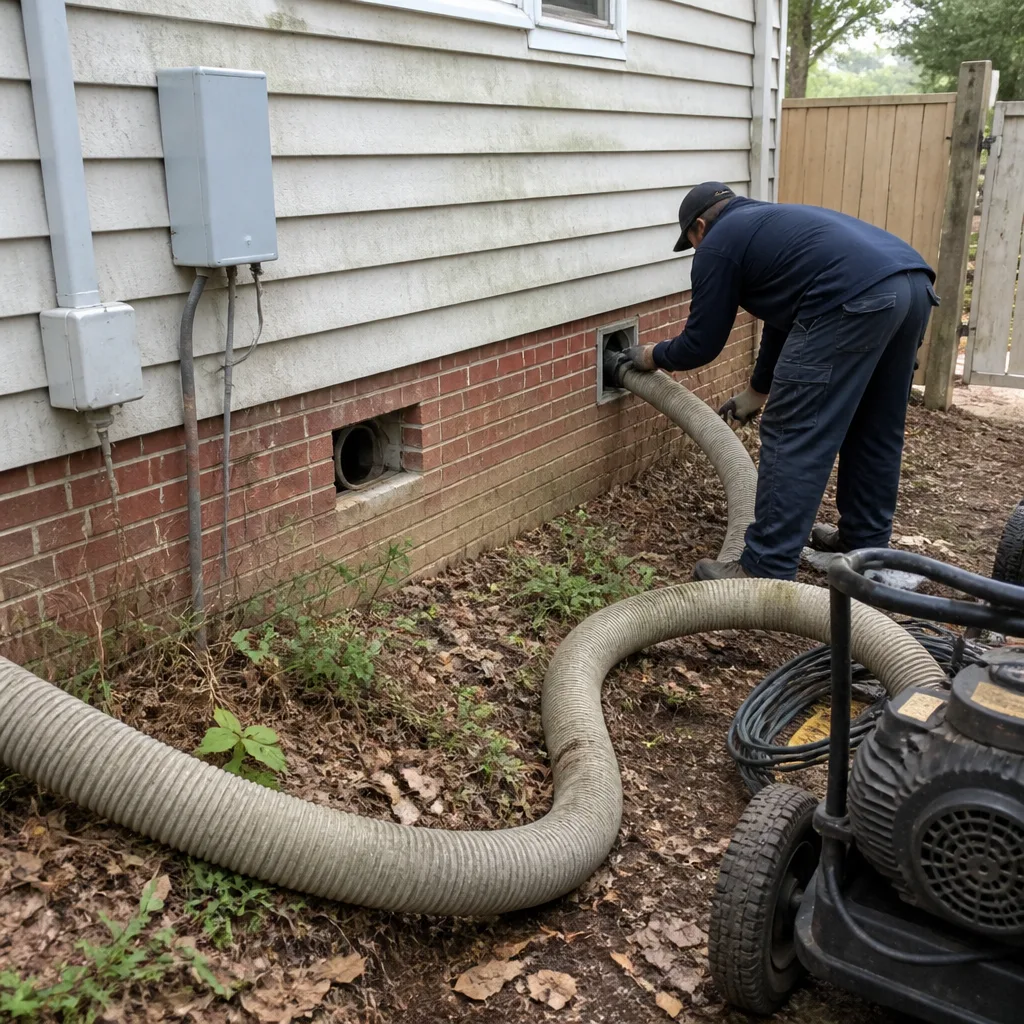 Before
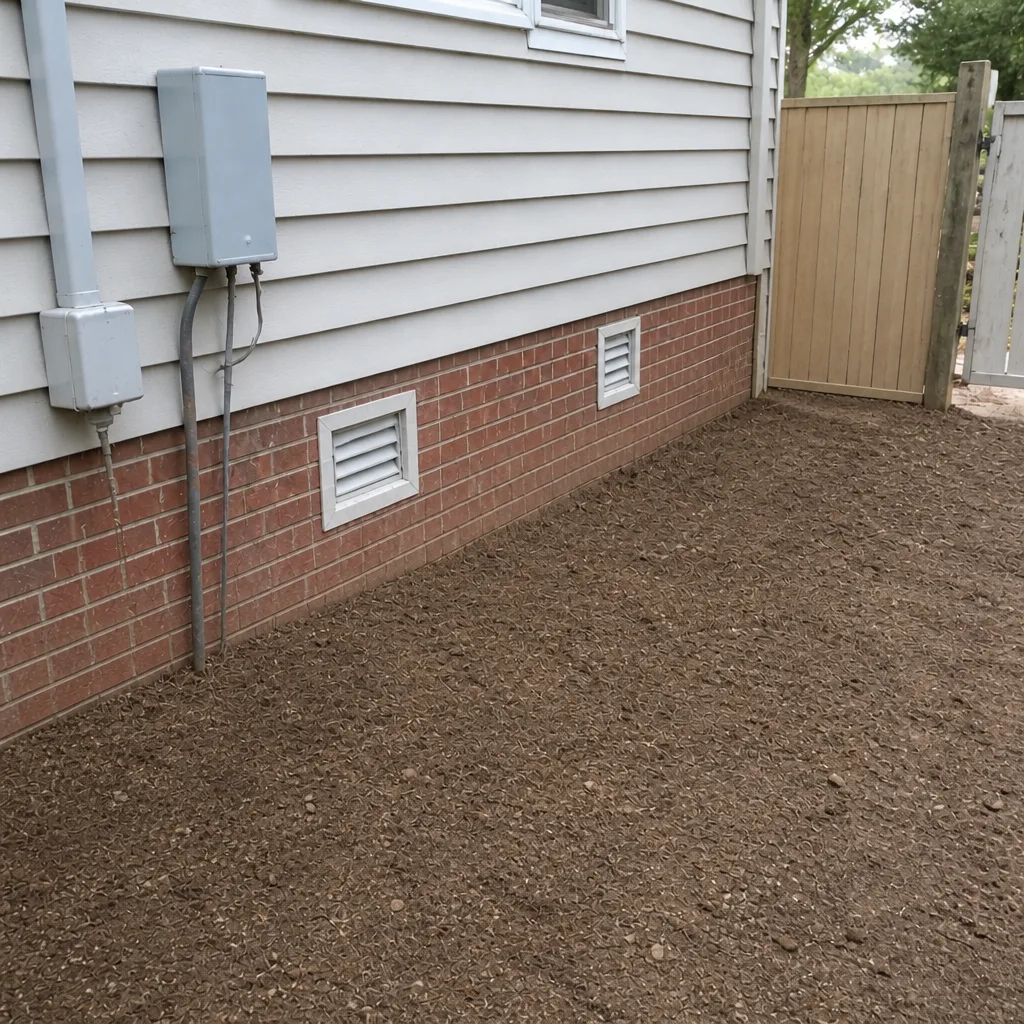 After
When to Call a Professional
Call a professional when the work involves anything beyond cleaning. If a technician tells you a duct run has collapsed or has been crushed and needs replacement, that’s a licensed mechanical contractor conversation, and a Wake County permit likely applies. If you’re seeing unexplained dust in the supply registers after cleaning, that’s a sealing question. If the home is older and ductwork lives in a crawlspace, sealing and inspection of the joints is worth scheduling before the next humid season. If you’re preparing to sell and can’t find records for duct modifications on the home, get the file together now rather than at closing. Duct repair and sealing is core work for us, and Air Duct Cleaning Southeast Raleigh offers free estimates in Southeast Raleigh – call (866) 937-7160. One flat price per system, agreed before work starts, with before-and-after photos of your own ducts included.
Frequently Asked Questions
No, routine air duct cleaning in Southeast Raleigh doesn’t require a permit. Cleaning removes debris from existing ducts without changing the system’s structure or material, so it’s classified as maintenance. Call (866) 937-7160 for a free estimate – we’ll tell you up front whether your scope is cleaning or repair.
Cleaning leaves the duct system as it is; modification changes it – cutting a run, splicing a new section, replacing a collapsed length with new material, or adding a branch. Modification usually requires a Wake County permit and an inspection while the ducts are open. The dollar difference in paperwork is small; the difference at resale and insurance time is much bigger.
The licensed mechanical contractor performing the work typically pulls the permit, not the homeowner. The permit triggers an inspection during rough-in, and the permit number should appear on the contractor’s invoice. If a contractor suggests skipping the permit to save time, treat it as a reason to find a different contractor.
Usually not. Sealing existing joints with mastic or approved duct tape is typically classified as maintenance, not modification, so a Wake County permit is generally not required. Replacement of a section with new material is a different story and usually requires a permit. Call (866) 937-7160 – we’ll flag clearly which side of that line your job falls on.
Keep the Wake County permit number, the inspection signoff, the itemized invoice, before-and-after photos of the specific sections modified, the contractor’s license and insurance records, and warranty terms in writing. Those documents are what a home inspector, buyer, or insurance adjuster will ask for. Without them, unpermitted work becomes your problem to resolve.
Only if it holds the appropriate North Carolina mechanical contractor license classification for the work. Cleaning and repair are regulated under different classifications, and a cleaning company isn’t automatically permitted to perform modifications. Verify the contractor’s license class through the state lookup before any modification work begins – a license number on an invoice proves nothing until you’ve checked it.
The Bottom Line
Cleaning is cleaning; modification is code work. Routine duct cleaning in Southeast Raleigh requires no permit. Repairing, replacing, or altering ductwork is a different category under the North Carolina Mechanical Code and usually means a Wake County permit with an inspection during rough-in. Sealing existing joints is generally no-permit work; replacing duct material is usually permitted. Verify any contractor’s license classification before modification work starts, and keep the full file afterward – permit number, inspection signoff, invoice, before-and-after photos, license and insurance records. One flat price per system, agreed before work starts, with the paperwork trail to match. That’s how duct work in Southeast Raleigh should run.
Call (866) 937-7160 for a free estimate. We answer 24/7. Fast dispatch from 7am to 7pm, Sunday through Friday.
Written by the team at Air Duct Cleaning Southeast Raleigh.