
Last updated November 23, 2026
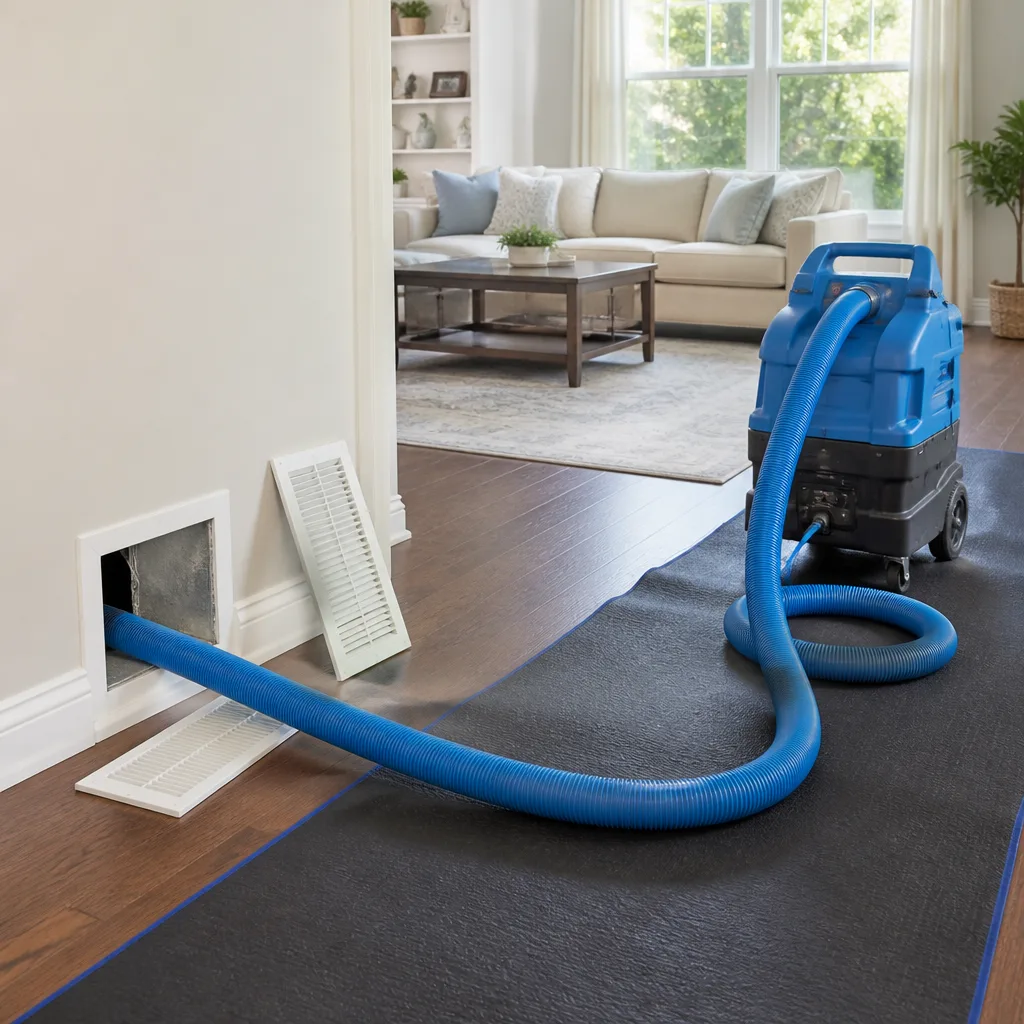 Whole-home duct cleaning
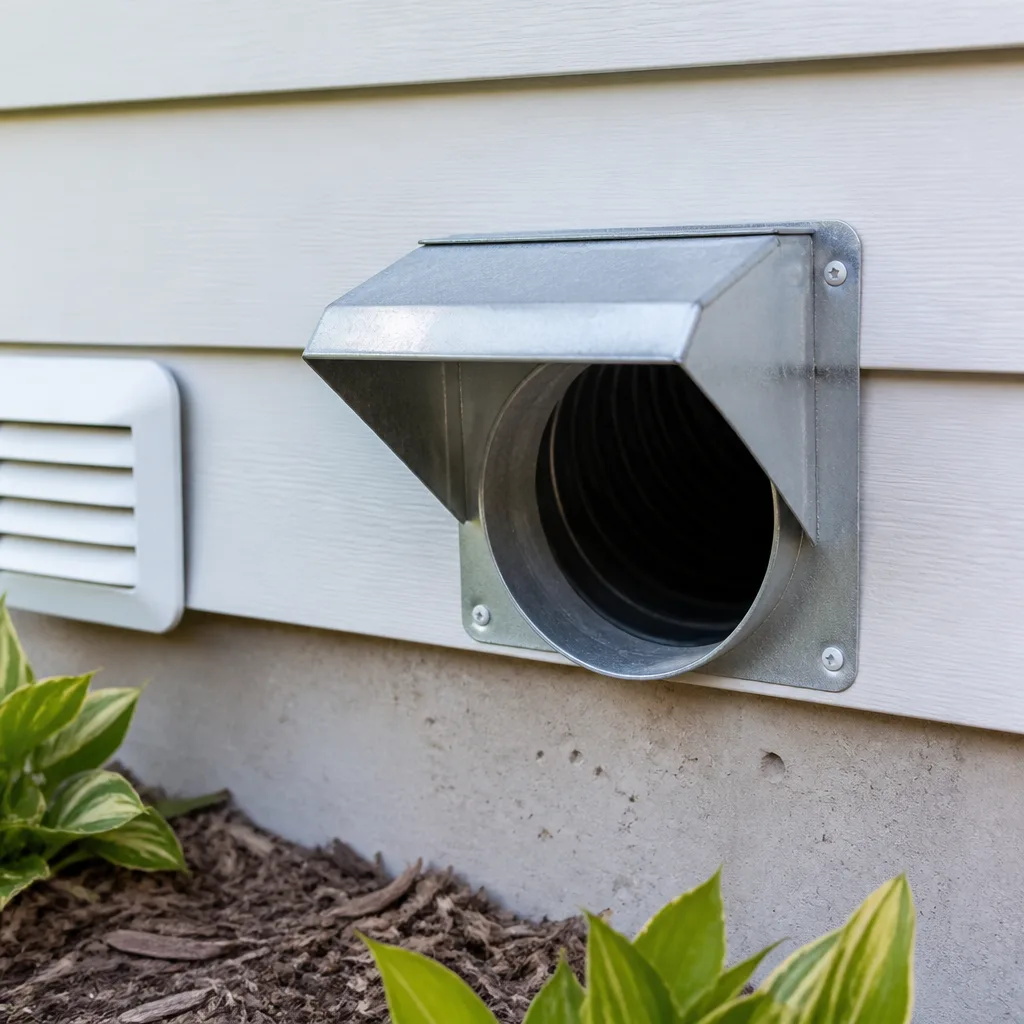 Dryer vent cleaning
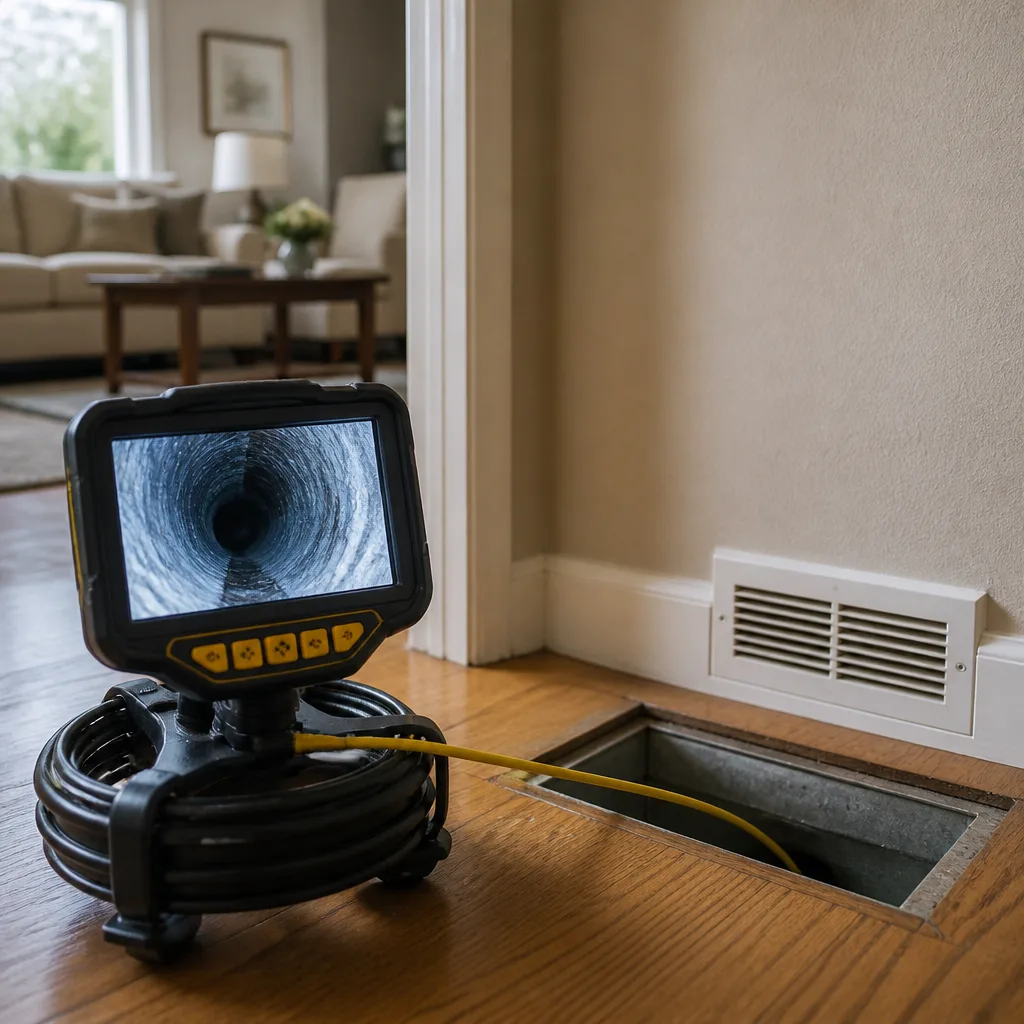 Camera inspection
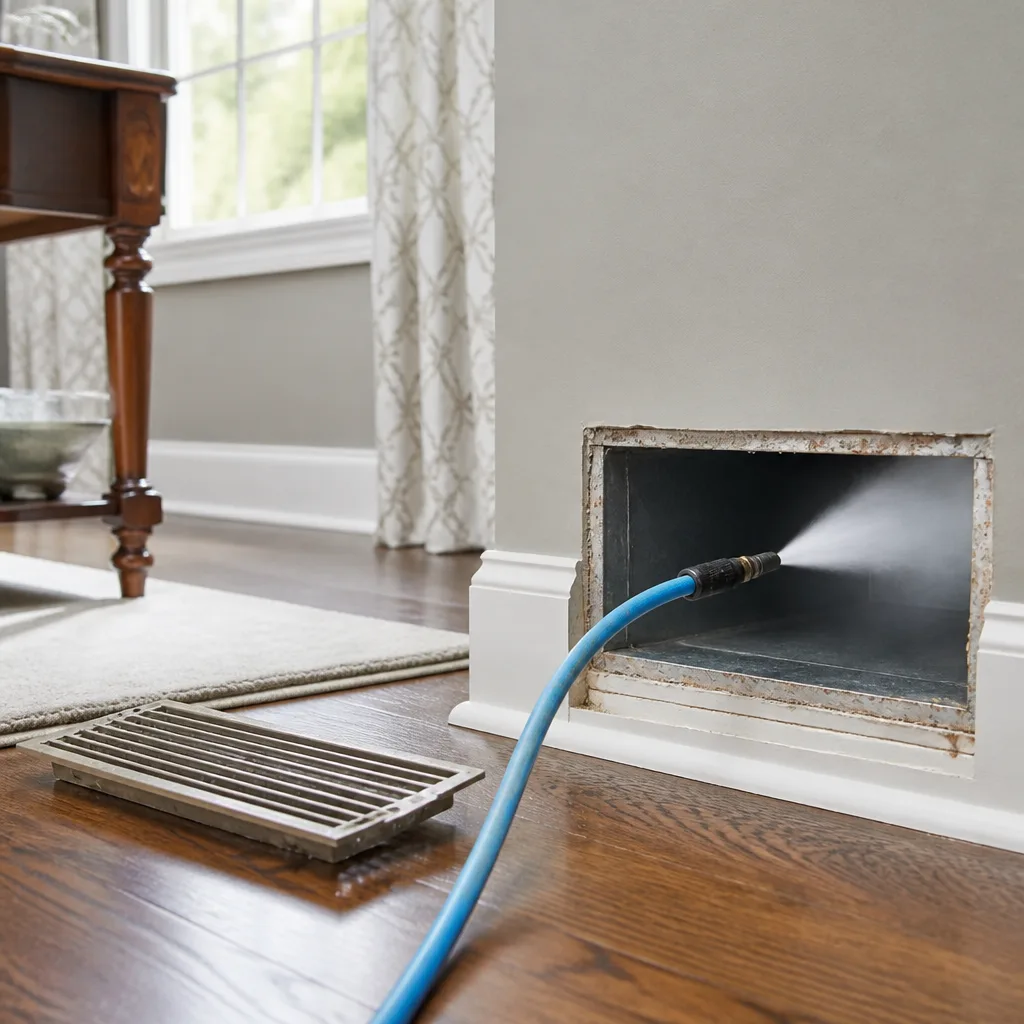 Sanitizing & deodorizing
Whole-system duct and dryer vent check with before-and-after photos - you see exactly what came out of your vents
That "$99 whole-house special" is a bait ad - the real number appears once they are in your hallway, or the "clean" is a shop-vac at the register. We photograph the inside of your ducts before and after instead.
Choosing the Right Air Duct Cleaning Brand: A Buyer’s Guide for Southeast Raleigh
When a duct cleaning company lists their equipment brands on their website, most homeowners scroll right past it. It looks like filler. But that list is actually the most honest signal of whether the company can do the job they’re describing. A shop vac with a fancy label and a truck-mounted vacuum running real airflow are not the same tool, and no amount of marketing closes that gap. In this guide we’ll decode what equipment names like Rotobrush, Nikro, and Abatement Technologies actually mean, explain how containment and CFM ratings change what gets removed from your ducts, and give you specific questions to ask during a Southeast Raleigh quote so you can tell a real specialist from a vacuum and a brochure.
Quick Answer
The right air duct cleaning brand in Southeast Raleigh is the one that can show you professional-grade equipment, explain how it captures contaminants instead of blowing them around, documents the work with before-and-after camera footage, and handles repair and sealing as part of the same job. Equipment names matter because they tell you what the tools can physically do. A company that can name its systems and explain why it chose them is usually a company that understands the work.
Styles & brands we work with
- Whole-home duct cleaning
- Dryer vent cleaning
- Camera inspection
- Sanitizing & deodorizing
Table of Contents
- Why Equipment Brands Matter More Than Marketing Claims
- Truck-Mounted Vacuums vs. Portable Units: What the Difference Means
- Rotary Brush Systems and Duct Type Compatibility
- Containment and HEPA Filtration: The Step Most Companies Skip
- Video Inspection: A Capability Indicator, Not a Perk
- Sanitizing and Fogging: What the Equipment Can and Can’t Do
- How to Use an Equipment List as a Vetting Tool
- What Southeast Raleigh Homes Actually Need
Why Equipment Brands Matter More Than Marketing Claims
Two companies can both say “professional air duct cleaning” and mean completely different things. One runs a rotary brush system with negative-air containment and a HEPA vacuum. The other runs a shop vac and a leaf blower. Both will tell you they clean ducts. Only one is describing a process that actually removes the debris instead of stirring it into your living room.
That’s why brand names are useful. Rotobrush and Nikro are industry-recognized names in duct cleaning equipment. They’re the systems used by specialists who treat this as a trade, not an add-on to a general handyman business. When a company can tell you which rotary brush system they run and why, that tells you they’ve thought about brush stiffness, contact with duct walls, and how different duct materials respond. When a company can’t name a single tool, that tells you something too.
Here’s what to listen for in a Southeast Raleigh quote conversation:
- Specific equipment names. Rotobrush, Nikro, Abatement Technologies, and similar brands are verifiable. “Top of the line equipment” is not.
- Why they chose it. A specialist can explain what their system does well. A generalist repeats the brochure.
- What happens to the debris. If they can’t tell you how the material is captured and contained, they probably can’t tell you where it goes.
- What they don’t do. A company that admits limits is more trustworthy than one that claims to do everything.
None of this is about brand loyalty. It’s about capability. The tool determines what gets removed, what stays behind, and what gets pulled into the air you breathe during the job. In a home with allergies, a recent renovation, or an older HVAC system, that difference is the whole point. If you’re starting from scratch, our air duct cleaning overview walks through the basic service before you start comparing equipment.
Truck-Mounted Vacuums vs. Portable Units: What the Difference Means
This is the single biggest capability gap in the industry, and most homeowners never ask about it. A truck-mounted vacuum system pulls far more air than a portable unit. That airflow, measured in cubic feet per minute, is what lifts loose debris off duct walls and carries it out of the system. A portable shop-vac-class unit generates a fraction of that pull, which means heavy debris, settled dust, and material stuck to duct surfaces often stay put.
Here’s how the two compare in practical terms:
- Truck-mounted vacuum systems: Very high CFM, sustained suction across long duct runs, connected directly to the main trunk. Capable of removing bulk debris from the supply and return system in a typical forced-air home.
- High-capacity portable HEPA units: Lower CFM, but genuinely useful for containment, negative air pressure, and localized cleaning. These are the right tool for keeping dust out of the living space during the job, and for smaller jobs where a full truck setup isn’t practical.
- Consumer-grade shop vacs: Not enough airflow to clean ductwork at all. Useful for a quick wipe near a register. Never a substitute for a real cleaning system.
In our experience, the most capable jobs combine both: the truck-mounted vacuum pulls the bulk out while a portable HEPA unit maintains negative air pressure to keep contaminants from escaping into the home. On its own, a portable unit can still do meaningful work if it’s paired with proper agitation and containment, but a company selling a “duct cleaning” that is really just a shop vac and a hose is not cleaning your system, they’re disturbing it.
When you call a Southeast Raleigh company, ask directly: “Do you use a truck-mounted vacuum, a portable HEPA unit, or both?” Any answer that doesn’t mention CFM or containment is a warning sign.
Rotary Brush Systems and Duct Type Compatibility
The vacuum pulls. The brush agitates. You need both. Debris that’s bonded to duct walls doesn’t come loose from airflow alone, so a rotary brush system is what actually scrubs the surface clean. But not every brush works on every duct, and the wrong one can damage the system it’s supposed to clean.
Southeast Raleigh has a wide mix of housing stock, from older homes with rigid sheet metal ductwork to newer builds and renovations where flex duct was added or replaced. Those two duct types behave very differently under a brush:
- Rigid sheet metal: Handles stiffer brush heads well. The metal resists the agitation and the brush can apply real pressure to knock off caked-on debris.
- Flex duct: Requires softer brush heads designed for the plastic liner. A stiff brush or a brush run at the wrong speed will tear the liner, and a torn liner is a bigger problem than the dust inside it.
This is where a professional system matters. Rotobrush and similar rotary brush platforms are designed with interchangeable brush heads and adjustable agitation, so the technician can match the tool to the duct. A company that runs one brush for every job is telling you they don’t differentiate between your flex run and your neighbor’s metal trunk.
Ask during the quote: “How do you adjust for flex duct versus sheet metal?” and “What happens if a brush or hose hits a liner?” A specialist will tell you they use softer heads on flex, they keep the agitation controlled, and they’ll stop and talk to you if they find something wrong. A generalist will change the subject. The brush is the part of the job that does the cleaning, and the brand behind it is how you know the tool was built for ductwork rather than repurposed from another trade.
Containment and HEPA Filtration: The Step Most Companies Skip
Here’s a question that separates specialists from everyone else: what happens to the dust while you’re cleaning? If the answer is “it gets pulled outside,” good. If the answer is vague, the dust is going somewhere, and it may be into your living room.
Containment is the process of holding the system under negative air pressure so that dislodged contaminants travel into the vacuum and filter rather than leaking out through register gaps, return grilles, or the access ports the technician opens. Abatement Technologies makes negative-air and HEPA filtration equipment, the same equipment class used in remediation work. When a duct cleaning company integrates that equipment into a residential job, the practical result is that what comes loose gets captured, not redistributed.
A real containment setup usually includes:
- Sealing or covering the registers and returns that aren’t being worked on.
- Setting up a negative-air machine with HEPA filtration in the work zone to maintain pressure.
- Connecting the vacuum source to the main trunk or the branch being cleaned so debris has a defined path out.
- Running a final HEPA pass on the work area once cleaning is complete.
- Verifying with a camera that the dust is out of the ducts and not sitting on your furniture.
This matters more in a Southeast Raleigh home than most people realize. The Piedmont’s humid summers and pollen-heavy springs mean the return side of your system has likely pulled in plenty of fine particulate matter over the years. A cleaning method that stirs that material without containment can leave a home feeling worse than before. For a deeper look at the HVAC side of the system, our HVAC cleaning page covers how the equipment and coil side get handled together with the ducts.
Video Inspection: A Capability Indicator, Not a Perk
Before-and-after camera footage is not a nice-to-have. It’s the only honest way to know whether the work was done, and whether the company even has the equipment to see what they’re doing. A camera on a flexible reel that travels through the duct gives the technician (and you) a real look at the interior. Without it, “we cleaned the ducts” is a claim. With it, you can see the difference between a before and after shot of the same section.
We treat video inspection as the anchor of a trustworthy job because it answers the question homeowners actually care about: how do I know it was done? A camera record shows:
- Which sections were inspected before cleaning and what they contained.
- Whether seals, joints, and flex liners were intact before the tools went in.
- What the same sections look like after agitation and vacuum.
- Whether the company did the sections they said they would do.
A company without a camera can still say they cleaned your ducts. But you have no way to verify the claim, and neither do they. On a Southeast Raleigh job, we’ve found the camera pays for itself the first time it reveals a disconnected joint or a crushed flex run that the customer couldn’t see from the register.
When you’re quoting, ask: “Will I see before-and-after camera footage of my own ducts?” If the answer is no, ask what documentation they’ll provide instead. The Air Duct Cleaning Southeast Raleigh home page gives you a sense of the full scope before you book. If video documentation isn’t on offer, you’re relying entirely on trust, and equipment names won’t help you there.
Sanitizing and Fogging: What the Equipment Can and Can’t Do
Sanitizing is the part of duct cleaning where equipment claims and reality drift apart most often. Foggers and misting systems are used to deliver a sanitizing solution into the ducts after cleaning. The quality of that work depends on two things: the equipment that delivers the solution, and the registration status of the solution being delivered.
In the United States, sanitizing products used on HVAC surfaces are regulated by the EPA and must be registered for the specific use. A product registered for hard surfaces isn’t automatically approved for the inside of a duct system. When a company is fogging your ducts, they should be able to tell you which product they use and what it’s registered to do. If they can’t, or if they wave off the question, that’s not a red flag you should ignore.
The equipment side matters too. Honeywell and Aprilaire-compatible sanitizing and air quality solutions are common in residential HVAC because they’re designed to work with the systems most homes already have. When a specialist is set up to use those product lines, the sanitizing step integrates with the equipment, the filter and the coil rather than treating the duct as an isolated pipe.
There’s a limit to what sanitizing can honestly do:
- It can help reduce surface microbial load in the ducts after cleaning, when a registered product is used correctly.
- It cannot fix a moisture problem. If the system has active water intrusion or condensation issues, sanitizing without addressing the cause is treating a symptom.
- It is not a mold remediation service. Mold inside a forced-air system requires a different scope of work than a duct cleaning company should be signing up for.
- It cannot replace cleaning. Fogging ducts without removing the accumulated debris first just adds moisture to a dirty surface.
For indoor air quality work to be worth the money, the cleaning has to come first, the sanitizing product has to be appropriate for HVAC use, and the company has to be honest about what the treatment can and can’t accomplish. Air quality is one piece of the broader system, which is why it’s worth learning how dryer vent cleaning fits into the same visit, since a lint-clogged vent is one of the more overlooked airflow problems in a home.
How to Use an Equipment List as a Vetting Tool
The next time you’re on the phone with a duct cleaning company, use the equipment list as your script. Ask directly. Take notes. A specialist will give you specific answers and won’t mind the questions. A company that can’t name their tools or explain their process is telling you everything you need to know.
Here’s the exact sequence we’d suggest when vetting a Southeast Raleigh company:
- “What vacuum system do you use, and is it truck-mounted or portable?” The answer tells you the airflow capability of the job.
- “What rotary brush system, and how do you adjust for flex versus sheet metal?” The answer tells you whether they can clean without damaging the ducts.
- “How do you contain the dust during the job?” The answer tells you whether your home will be cleaner or dirtier afterward.
- “What sanitizing product, and is it EPA-registered for HVAC surfaces?” The answer tells you whether the air quality step is real.
- “Will you show me before-and-after camera footage of my own ducts?” The answer tells you whether the job is documented.
- “Do you repair and seal duct problems you find, or only clean?” The answer tells you whether you’ll need a second company before the job is done.
- “Are there any add-on fees, per-vent pricing, or charges that aren’t in the written estimate?” The answer tells you whether the price on the phone is the price on the invoice.
You’re looking for specifics. A company running Rotobrush and Nikro can answer questions one and two without hesitation. A company using Abatement Technologies containment can answer question three in detail. A company that handles repair and sealing as a core service can answer question six. If you get vague answers on three or more of these, move on to the next quote.
One more vetting point: ask for the written estimate in writing, before the work starts. A real estimate gives you a flat price for the system and a defined scope. Per-vent pricing and “starting at” teasers are the two most common ways a low quote becomes a large invoice, and the fair way to price a duct cleaning job is one flat price per system agreed before the work begins.
What Southeast Raleigh Homes Actually Need
Southeast Raleigh is a broad part of the city, and the equipment questions shift depending on the neighborhood and the housing stock. The older homes in and around areas like South Park and King Charles often have rigid metal ductwork with decades of accumulated dust, taped-up joints, and sometimes return runs that were added or extended over time. Newer construction and renovation work in the area more often includes flex duct in the branches, which cleans differently and needs a softer brush and gentler agitation.
The Piedmont climate adds its own layer. Warm, humid summers mean the cooling coil in the air handler spends a lot of the season wet, and the return side of the system pulls in the kind of fine particulate material that builds up on duct surfaces. Spring pollen is heavy in this area, and a system that’s run through a spring without a fresh filter is likely holding onto more than the homeowner realizes. That’s a general observation about the climate, not a knock on any particular neighborhood or home.
What that means in practice for a Southeast Raleigh job:
- Rigid metal trunks benefit from a rotary brush pass with stiffer heads and enough vacuum to move the loosened debris out.
- Flex branches need softer heads and controlled agitation so the liner stays intact.
- Humid-season buildup makes the HEPA containment and post-cleaning HEPA pass more important, not less.
- An older home often has duct issues (disconnected joints, crushed runs, torn liners) that show up on camera and need sealing or repair in the same visit.
- A dryer vent that runs through a long exterior wall needs dedicated cleaning as a separate safety step, not a hand-wave at the end of the duct job.
A company that only cleans and doesn’t repair, seal, or address the dryer vent leaves you organizing the rest of the work yourself. The full-service approach is one visit, one scope, and one flat price covering the entire forced-air system.
Common Mistakes to Avoid
- Choosing on price per vent. Per-vent pricing almost always grows once the technician is on site. Ask for a flat price per system and a written scope before anything starts.
- Not asking about containment. A cleaning without HEPA containment can leave more dust in the air than it removes from the ducts. The procedure matters as much as the equipment.
- Skipping the camera. If you can’t see before-and-after footage of your own ducts, you have no way to know whether the work was done. Ask for it up front.
- Accepting vague equipment claims. Brand names you can verify (Rotobrush, Nikro, Abatement Technologies) are a signal of capability. “Professional equipment” with no names is a signal of something else.
- Letting them clean around a known problem. If a duct run is disconnected, crushed, or has a torn liner, cleaning it doesn’t fix it. The repair belongs in the same scope, and in a Southeast Raleigh home with flex branches, it comes up more often than the homeowner expects.
- Treating sanitizing as a fix for moisture. Fogging the ducts won’t stop condensation or water intrusion. If the system has a moisture problem, that has to be addressed before air quality work means anything.
- Forgetting the dryer vent. A duct cleaning company that doesn’t handle the dryer vent as a dedicated service is leaving one of the more straightforward safety risks in your home to someone else.
See the difference
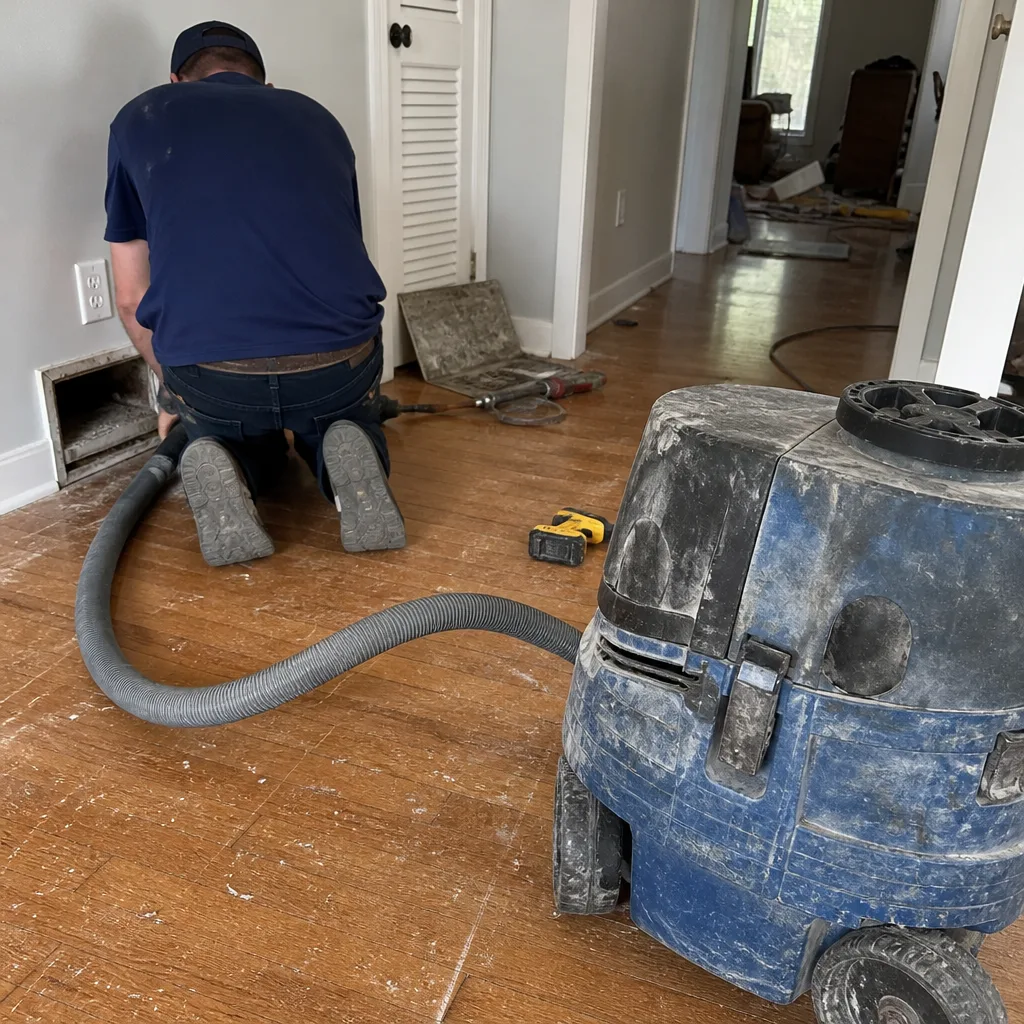 Before
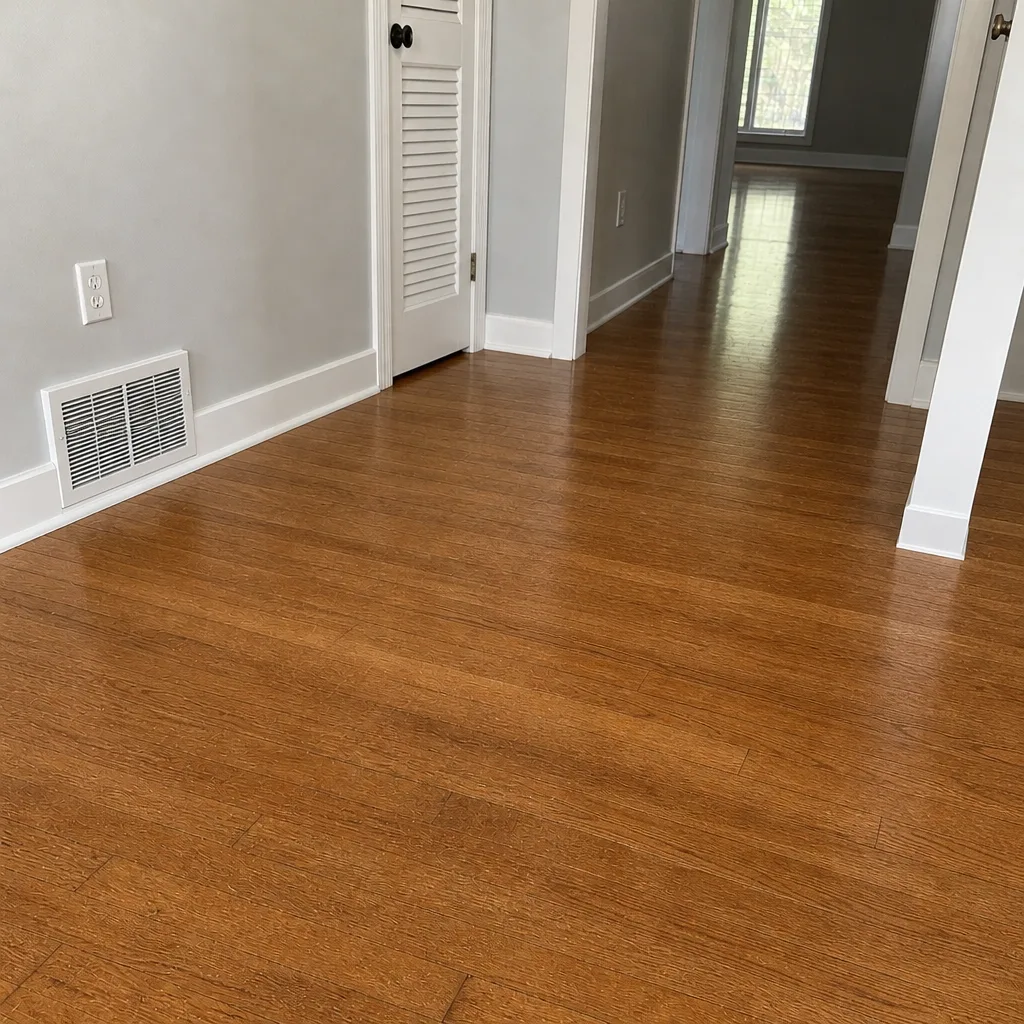 After
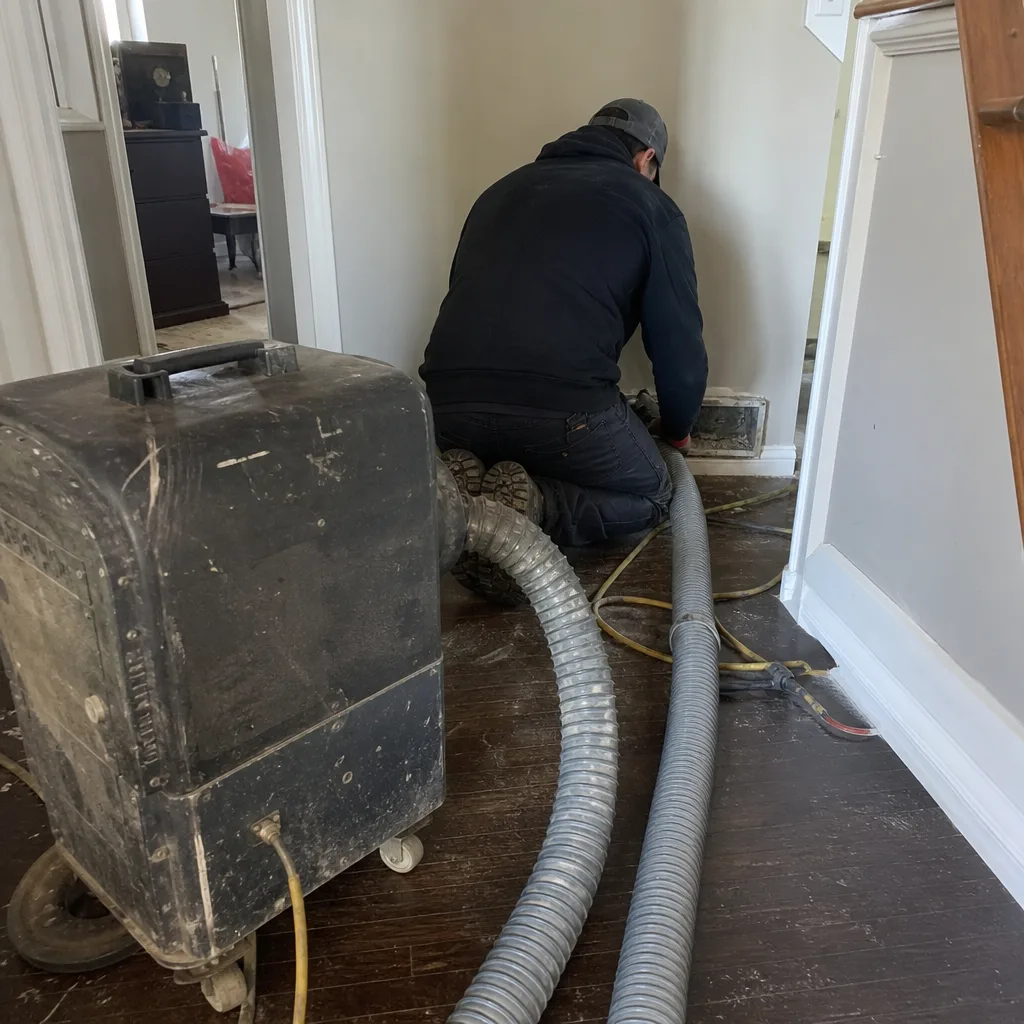 Before
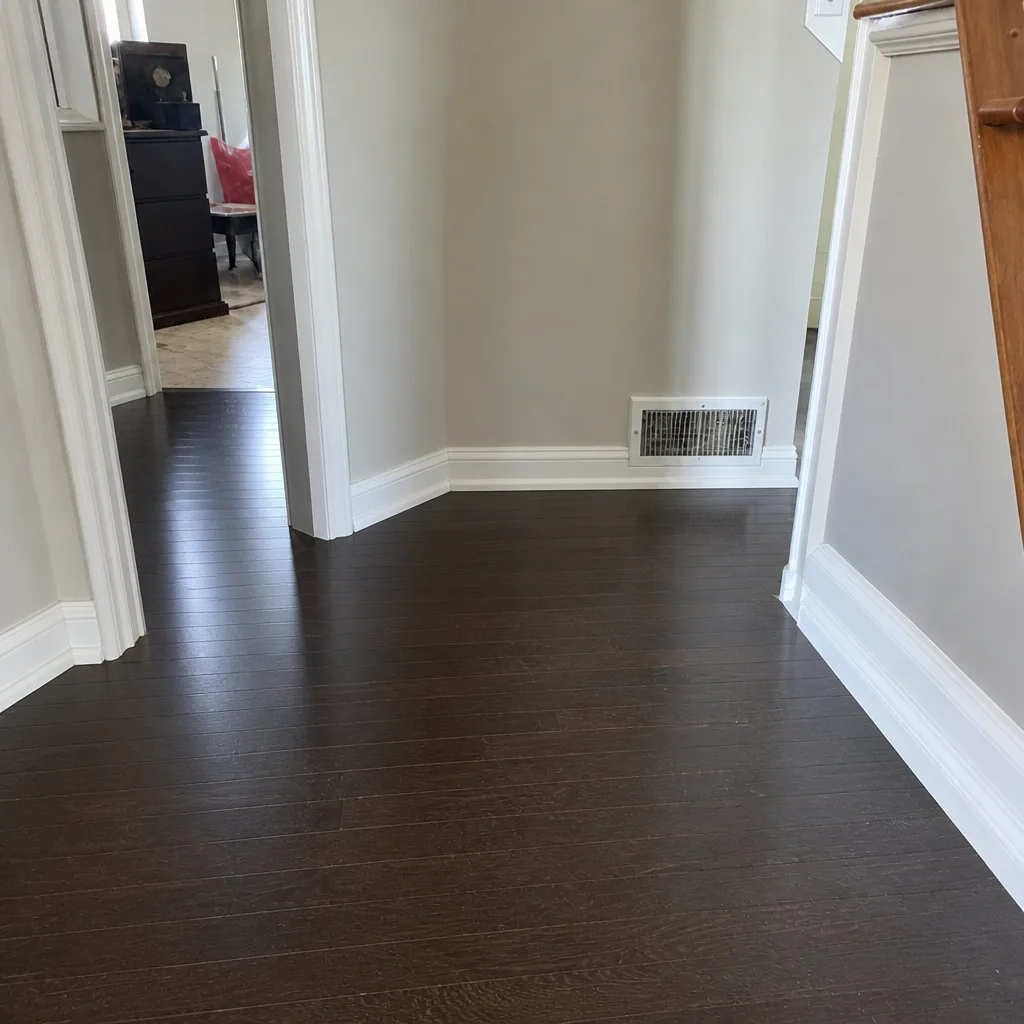 After
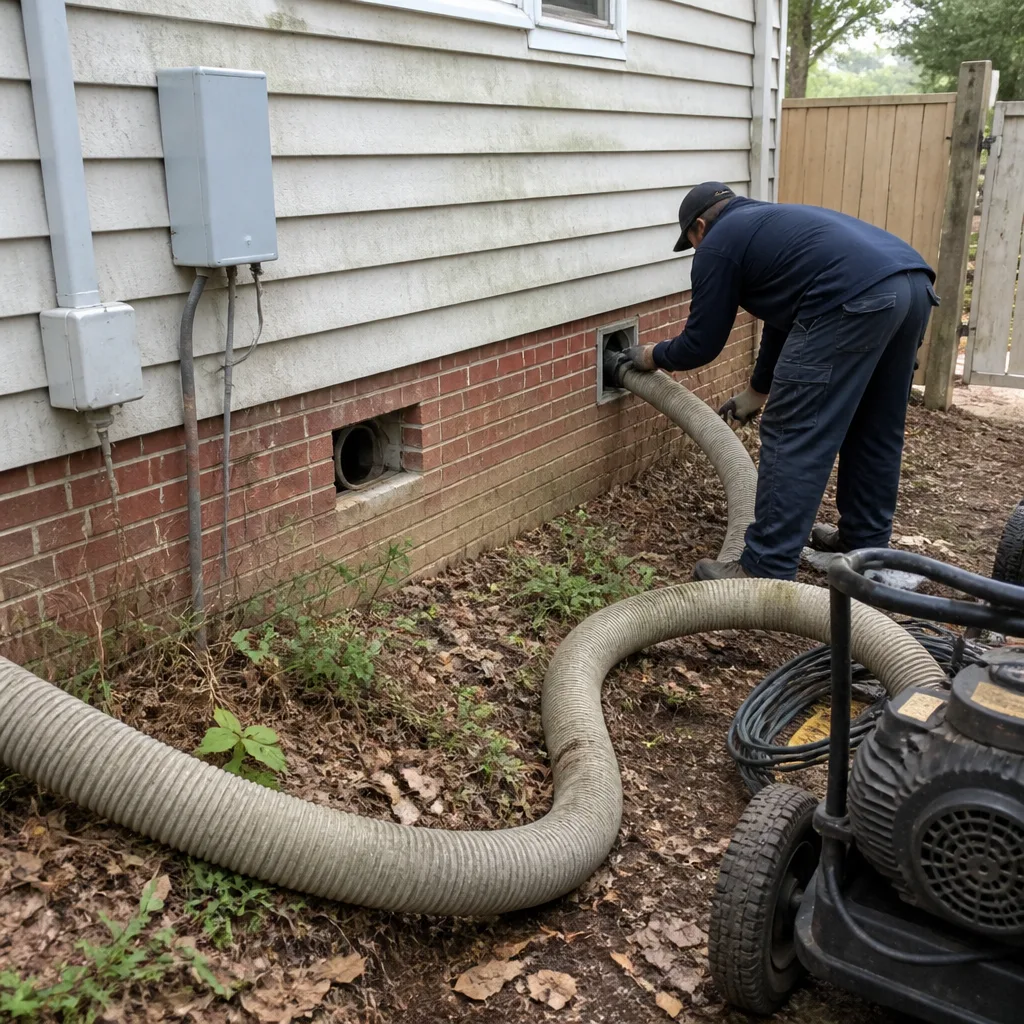 Before
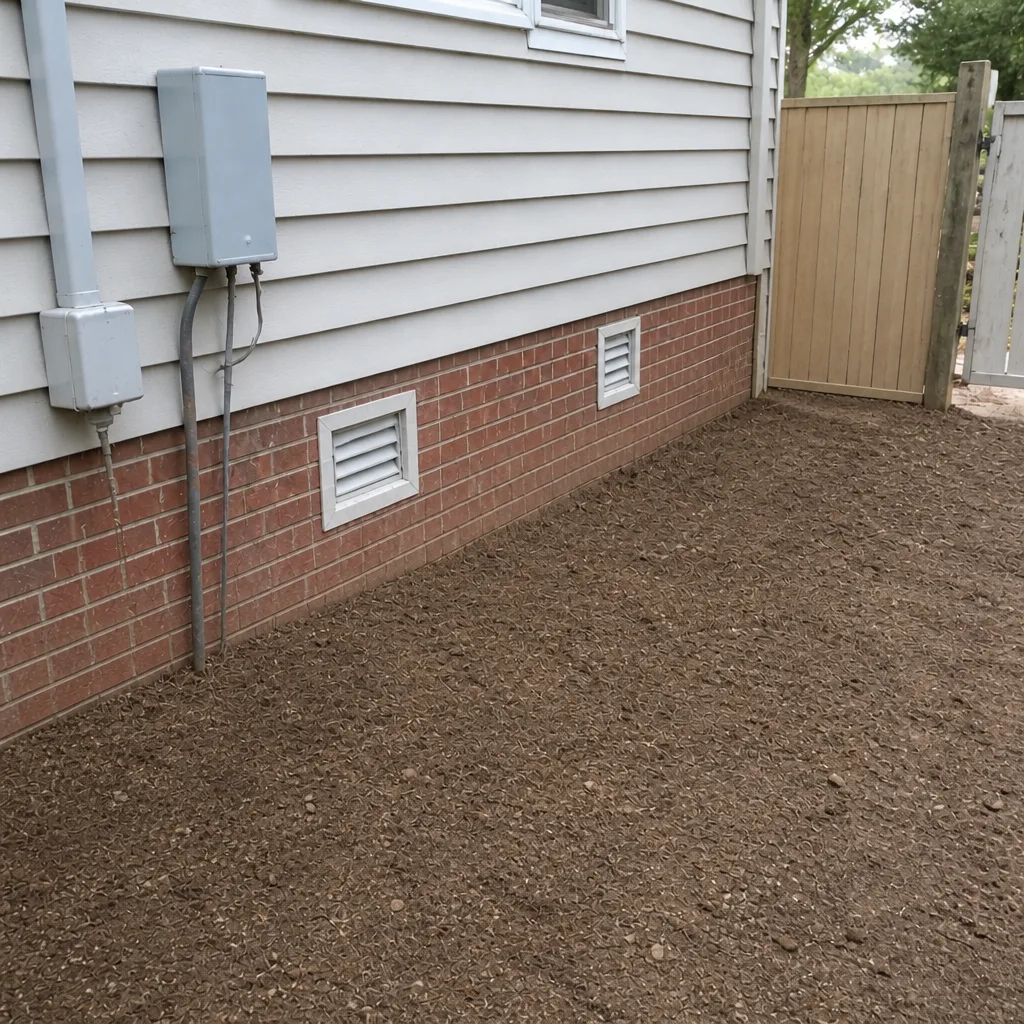 After
When to Call a Professional
Some jobs are worth doing yourself, but air duct cleaning isn’t one of them. If you’re seeing visible dust streaming from the registers when the system runs, if anyone in the home has been dealing with allergies that seem worse indoors, if you’ve just finished a renovation that produced a lot of drywall dust, if you’re moving into a Southeast Raleigh home and don’t know the last time the ducts were cleaned, or if you can see crushed or disconnected flex duct in the attic or crawlspace, it’s time for a professional inspection. The same goes for a dryer that’s taking notably longer to dry a load than it used to, which is one of the clearer signs of a lint restriction. Air Duct Cleaning Southeast Raleigh offers free estimates in Southeast Raleigh – call (866) 937-7160. We answer 24/7, and fast dispatch runs from 7am to 7pm, Sunday through Friday.
Frequently Asked Questions
The right company for you is the one that can name its equipment, explain how it captures contaminants, and document the work with before-and-after video of your own ducts. Rotobrush, Nikro, and Abatement Technologies are the kind of industry-recognized names to look for. Call (866) 937-7160 for a free estimate – our technicians have up to 13 years of experience and can walk you through the equipment on a quote call.
Prices vary by the size of the system, the number of branches, and whether repair or sanitizing is included. We don’t quote per vent, because per-vent pricing is the single most common way a low quote becomes a large invoice. Ask any company for a flat price per system, in writing, before work starts. Call (866) 937-7160 for an exact quote – estimates are free.
Yes, because the equipment determines what the job can physically accomplish. A truck-mounted vacuum with high CFM pulls more debris than a portable unit, a proper rotary brush system cleans duct walls that airflow alone can’t, and HEPA containment captures what comes loose rather than redistributing it into your living space. Brand names are how you tell which of those capabilities a company actually has. Call (866) 937-7160 to ask us about the equipment we run.
Cheap quotes are usually cheap because the equipment and the scope are smaller. A shop vac and a hose costs almost nothing to run compared to a truck-mounted vacuum, a rotary brush system, and HEPA containment. The cheaper job may disturb more dust than it removes, and it usually grows once the technician is inside the home. The fair way to compare quotes is to compare what’s actually included and whether the price is flat. Call (866) 937-7160 and we’ll give you a written estimate you can compare.
Video inspection is the answer. Before-and-after camera footage of your own ducts shows you what the interior looked like before cleaning and what it looks like afterward. Any company that can’t offer it is asking you to take their word for the job. Ask for footage on the quote call. Call (866) 937-7160 to book an inspection with documentation.
There’s no single schedule that fits every home. A Southeast Raleigh house with pets, allergy sufferers, recent renovation dust, or an older forced-air system benefits from inspection more often than a newer home with a clean filter history. The honest answer is that you should have the system inspected and let the findings drive the schedule. Call (866) 937-7160 for a free estimate and a straight answer about what your system actually needs.
The Bottom Line
Equipment brands are the most underused vetting tool in duct cleaning. The list on a company’s website tells you whether the job will run on a truck-mounted vacuum and a rotary brush system with HEPA containment, or on a shop vac and a marketing pitch. Ask specific questions: what vacuum, what brush system, how is dust contained, is the sanitizer registered for HVAC use, will you show me before-and-after footage. A specialist gives you specifics. A generalist changes the subject. Price the job per system, get it in writing, and treat the camera as the proof. If you’d like to talk through your Southeast Raleigh system, call (866) 937-7160 for a free estimate. We answer 24/7, and fast dispatch runs from 7am to 7pm, Sunday through Friday.
Written by the team at Air Duct Cleaning Southeast Raleigh.