
Last updated November 23, 2026
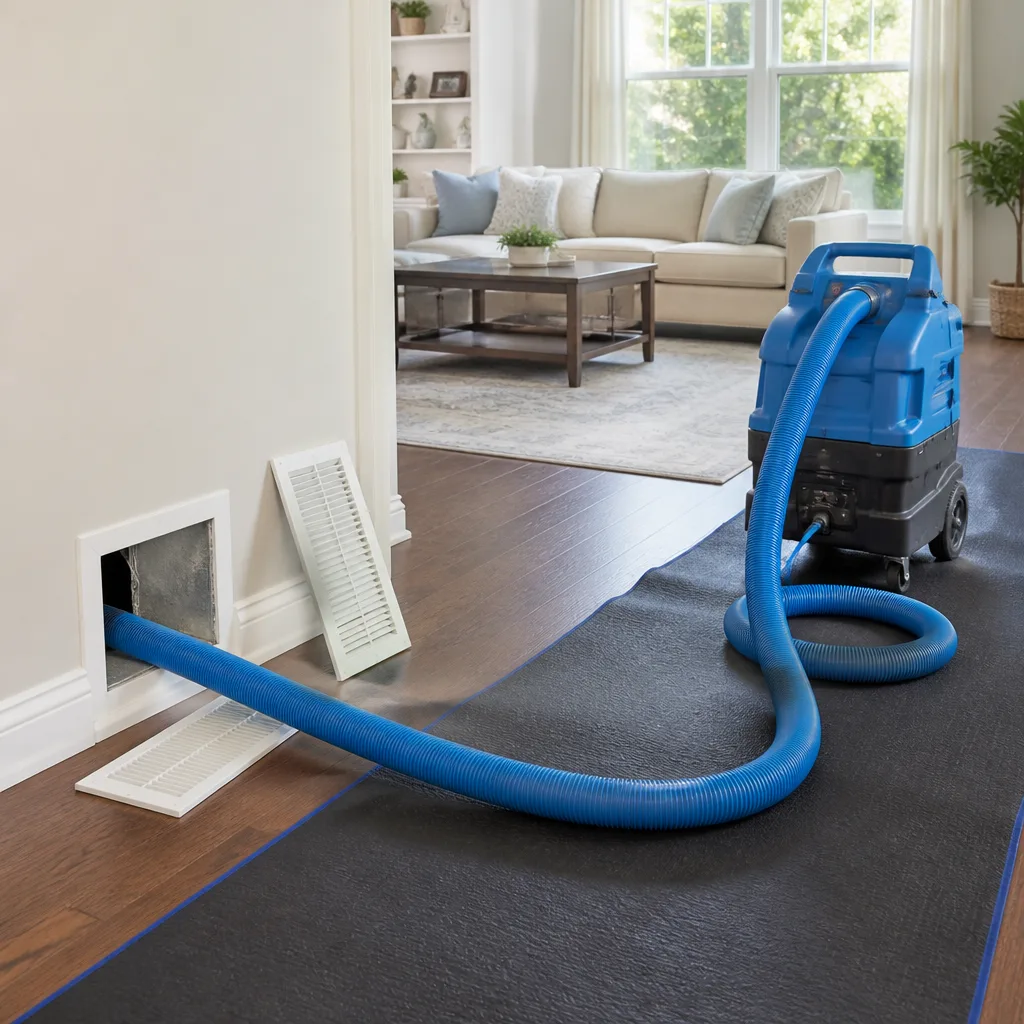 Whole-home duct cleaning
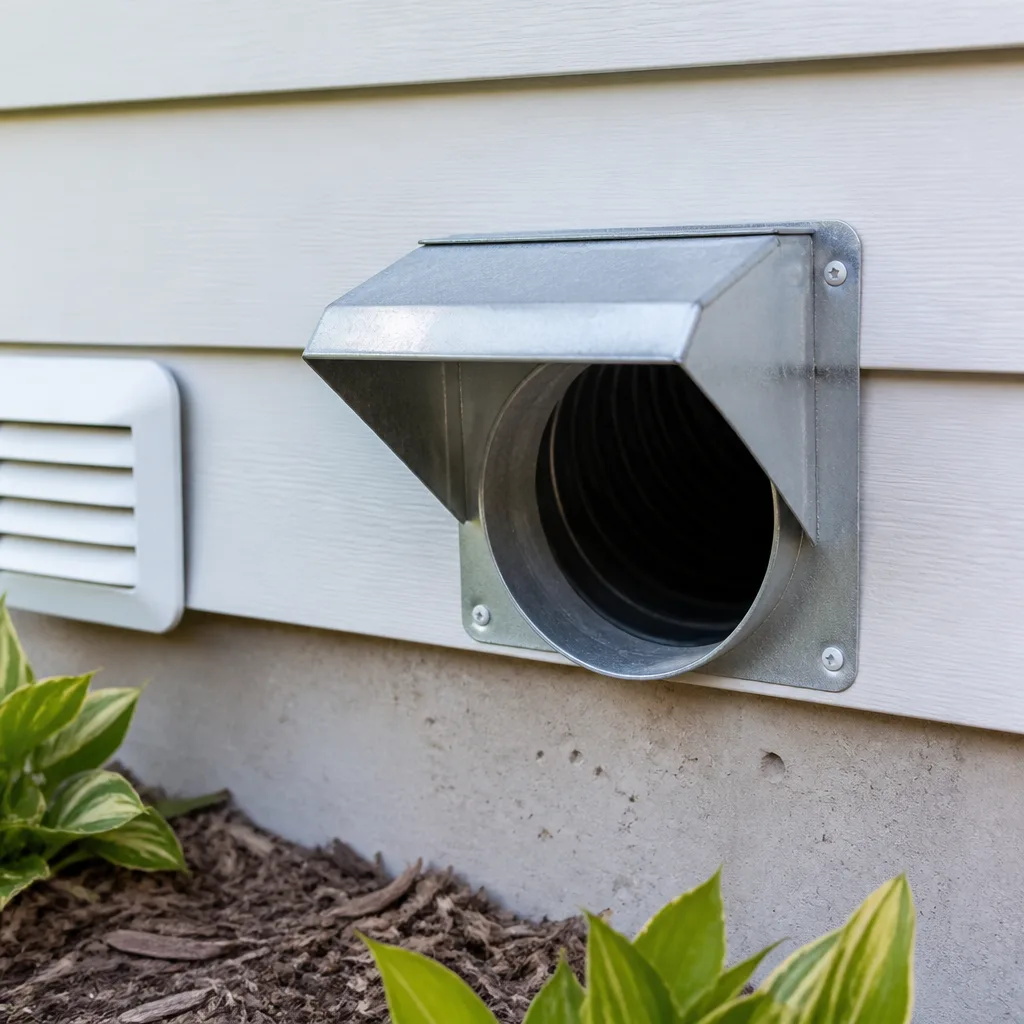 Dryer vent cleaning
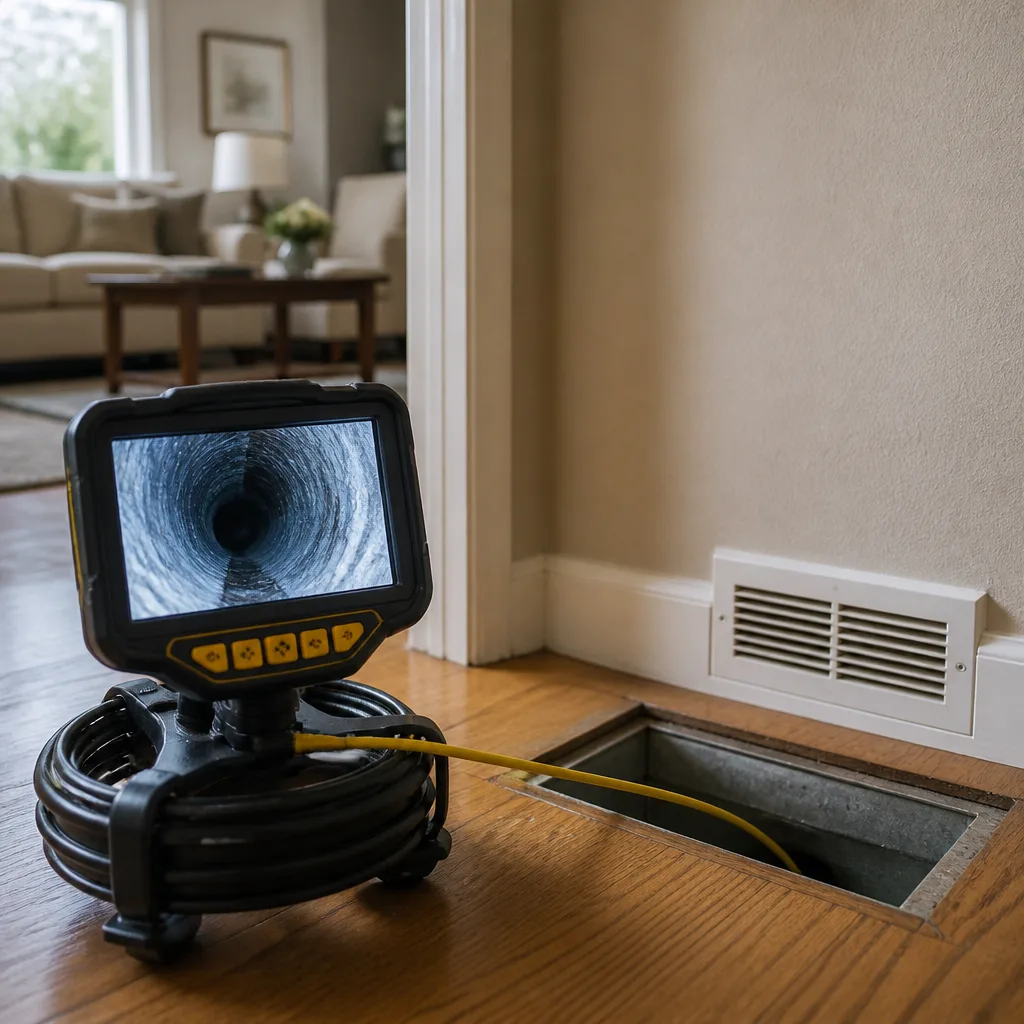 Camera inspection
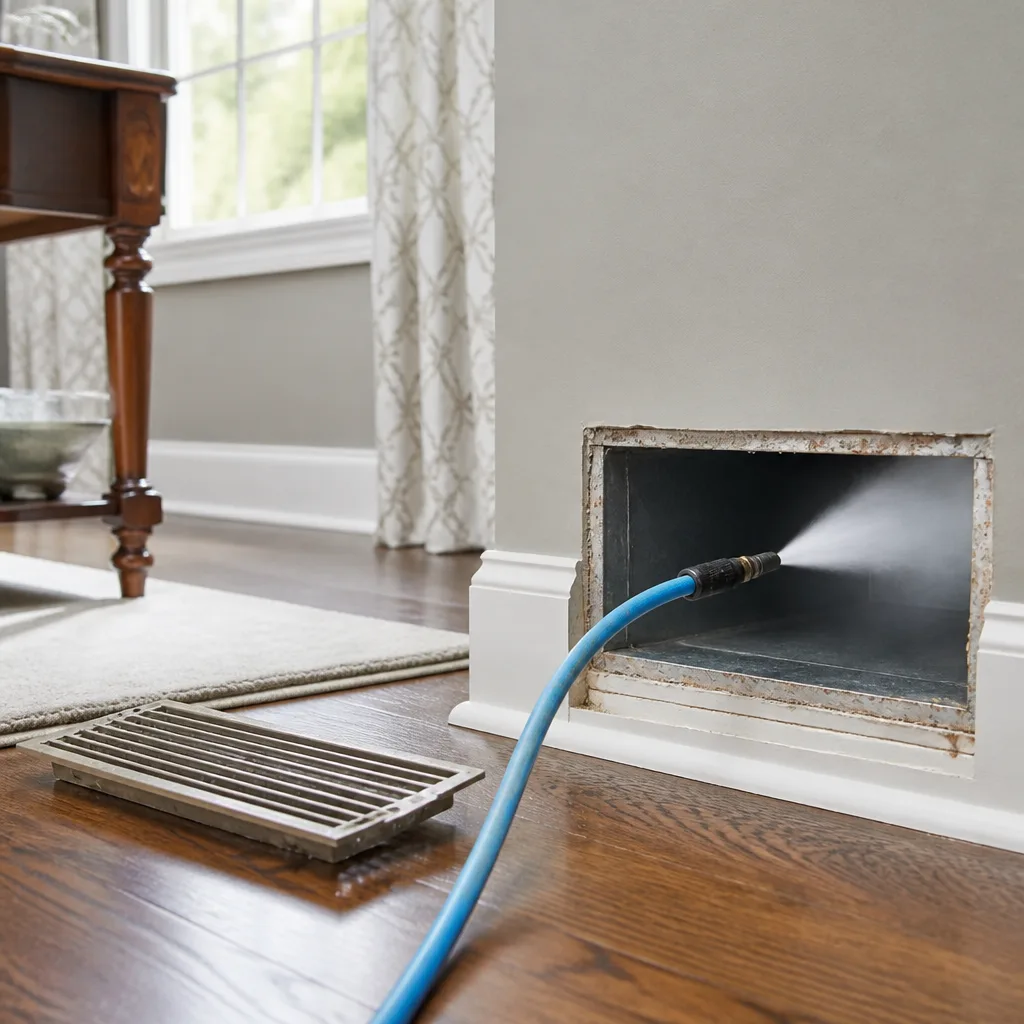 Sanitizing & deodorizing
Whole-system duct and dryer vent check with before-and-after photos - you see exactly what came out of your vents
That "$99 whole-house special" is a bait ad - the real number appears once they are in your hallway, or the "clean" is a shop-vac at the register. We photograph the inside of your ducts before and after instead.
Air Duct Cleaning Troubleshooting in Southeast Raleigh: Common Problems and How to Fix Them
If your HVAC tech has been out twice this year and your home still feels stuffy or uneven, there’s a real chance the ducts, not the unit, are the actual problem nobody checked. Most homeowners in Southeast Raleigh assume a weak airflow or a musty smell means the system is dying. Often it means the ducts are leaking, clogged, or pulling in crawl space air. This guide walks you through how to tell those apart before you spend money on the wrong fix. We’ll cover the symptoms, what you can safely check yourself, what needs a camera or pressure test, and when cleaning alone won’t solve it.
Quick Answer
Most duct problems in Southeast Raleigh come down to three causes: contamination (dust, debris, and buildup inside the ducts), leaks and disconnected joints (often in crawl space runs), or blockages and crushed flex duct. You can diagnose the category yourself by watching register airflow, checking for visible debris at vents, and noting whether the problem is room-specific or system-wide. Cleaning fixes contamination. Repair and sealing fix leaks. Getting the order wrong wastes money, which is why the diagnosis comes first.
Styles & brands we work with
- Whole-home duct cleaning
- Dryer vent cleaning
- Camera inspection
- Sanitizing & deodorizing
Table of Contents
- Symptom-to-Cause Mapping: What Your Home Is Telling You
- How to Tell a Duct Problem From an HVAC Equipment Problem
- Why Southeast Raleigh’s Clay Soil and Crawl Spaces Cause Duct Failures
- What You Can Safely Check Yourself
- What Requires a Camera or Pressure Test
- When Cleaning Alone Won’t Fix It
- Mold, Blockages, and Crushed Ducts: The Less Common Problems
- What This Kind of Work Typically Costs in Southeast Raleigh
Symptom-to-Cause Mapping: What Your Home Is Telling You
Different symptoms point to different causes, and treating the wrong one is the single most common waste of money in this trade. Use this map to narrow down what’s happening in your home before anyone shows up.
- Musty smell when the system runs – usually contamination or moisture in the ducts, sometimes microbial growth where condensation collects.
- Visible dust puffing from registers on startup – debris settled in the ducts or a loose joint pulling in attic or crawl space air.
- One room weak, the rest fine – a blockage, a crushed flex run, a closed damper, or a disconnected duct serving that room.
- Whole house weak, unit running constantly – system-wide leakage or a return-side restriction.
- Higher dust on surfaces after a renovation – fine construction particles that standard filters don’t catch and that settle in the ductwork.
- Allergy symptoms worse indoors – contamination circulating every time the blower runs.
In our experience across Southeast Raleigh, the room-specific complaints almost always trace back to a physical duct problem rather than a dirty system. Whole-house complaints are more likely contamination or a major leak. That distinction shapes everything that follows.
Note what we’re not saying: none of these symptoms confirm a diagnosis on their own. They narrow the field so the inspection goes faster and the estimate makes sense.
How to Tell a Duct Problem From an HVAC Equipment Problem
Before you call anyone, run this simple sequence. It takes about ten minutes and tells you which category to investigate first.
- Check the air filter. A clogged filter mimics a duct blockage, and it’s the easiest thing to rule out.
- Feel airflow at every register with the system on. Note which rooms are strong, weak, or dead.
- Listen at each register. Whistling suggests a restriction behind it. Rattling suggests loose ductwork.
- Look for dust streaks around register edges, which point to air escaping at the seal rather than traveling through the duct.
- Compare seasons. A problem that’s always been there is likely duct design or leakage. A problem that appeared suddenly is likely a blockage or a disconnected run.
If airflow is weak everywhere and the unit runs nonstop, the equipment or the return side is suspect. If airflow is fine in some rooms and poor in others, the ducts are almost certainly the issue. If you see heavy dust accumulation at specific vents, contamination or a nearby leak is likely.
This matters in Southeast Raleigh because so many homes here have the air handler in a closet, attic, or crawl space with long duct runs. Long runs mean more joints, and more joints mean more places to leak. The further a room sits from the air handler, the more likely it is to show the first symptom of a duct problem while the equipment itself is healthy.
Why Southeast Raleigh’s Clay Soil and Crawl Spaces Cause Duct Failures
Southeast Raleigh sits on heavy clay soil, and clay does something specific to homes: it expands when wet and shrinks when dry. That cycle moves foundations and floors slightly, season after season. Duct systems, especially those running under the floor in a crawl space, absorb that movement at every joint.
Over time, the result is a pattern we see repeatedly in Southeast Raleigh:
- Duct joints separating where they meet the floor or the trunk line
- Flex duct sagging between supports in humid crawl space air
- Insulation on the duct exterior degrading from moisture, which then lets condensation form
- Return ducts pulling in crawl space air through gaps near the foundation and floor
Crawl space construction also means ductwork sits in an environment that stays damp through Raleigh’s humid summers. Damp insulation loses its value, and wet duct surfaces become a place where dust sticks and microbial growth can start. That’s why air quality and sanitizing work belongs alongside cleaning in this region, and why we integrate equipment compatible with Honeywell and Aprilaire systems to address the air itself, not just the duct interior.
None of this means every crawl space duct system fails. It means the local construction style puts specific stress on specific joints, and knowing where to look speeds up any inspection in Southeast Raleigh.
What You Can Safely Check Yourself
Some checks are safe and useful for any homeowner. Others are not worth the risk. Here’s the line between them.
Safe to check
- Airflow strength at each register (a tissue held to the grille works fine)
- Visible dust, debris, or dark staining on the register face or just inside it
- The air filter condition and fit
- Whether the outdoor dryer vent flap opens when the dryer runs
- Any obvious crushed or kinked flex duct visible in a clean, lit, accessible crawl space
Not safe or not reliable without training
- Opening the air handler cabinet or any electrical panel
- Crawling into a tight or wet crawl space
- Removing duct sections to look inside
- Judging duct leakage by feel alone
That last point surprises people. Duct leakage is invisible to the eye because leaks are typically at joints, not in the middle of a run. You can feel a draft at a register and still have a 30 percent leak somewhere upstream. Only measurement tells you the truth.
If you see visible mold at a register, don’t wipe it and move on. Note where it is and mention it when you call. It points to moisture in that part of the system, which is a different fix than cleaning.
What Requires a Camera or Pressure Test
Two tools separate a guess from a diagnosis: a duct inspection camera and a pressure test. Neither is something a homeowner can reasonably do, and both answer questions the eye can’t.
A camera run through the duct system reveals what’s happening inside the runs you can’t see. That’s how you find a crushed flex section behind a wall, a disconnected joint under a floor, or heavy contamination in a return that never gets looked at. It also confirms whether a “cleaning” is even necessary, which is worth knowing before you pay for one.
A pressure test measures leakage directly. It tells you whether the system is losing a meaningful share of its air before it reaches your rooms. If leakage is high, cleaning first and sealing second wastes the cleaning, because the leaks will pull dirt right back in.
This is where equipment quality matters. The professional-grade Rotobrush and Nikro systems used by trained duct specialists don’t just clean better than a shop vac, they allow controlled cleaning with the system under negative pressure so debris is captured rather than pushed into your living space. We pair that with Abatement Technologies negative-air and HEPA filtration equipment, the same class of tooling used in remediation work. The result is documented, measurable cleaning rather than a surface pass.
When Cleaning Alone Won’t Fix It
Here’s the scenario that saves homeowners the most money: sometimes cleaning is not the first step. If the ducts are damaged, cleaning them is like mopping a floor with the window open.
Cleaning alone won’t fix the problem when:
- Duct joints are disconnected – debris enters faster than you can remove it, and conditioning is lost into the crawl space.
- Flex duct is crushed or kinked – the restriction stays no matter how clean the inside is.
- Insulation is failing or wet – the moisture source needs to be addressed before cleaning has lasting value.
- Seals at the air handler or plenum are open – unfiltered air bypasses the filter entirely.
- Visible mold is present – the moisture cause must be corrected and the affected section treated correctly.
In these cases the right order is repair and sealing first, then cleaning, then air quality treatment if needed. That’s why we offer duct repair and sealing as a core service rather than an add-on. Finding and fixing the root cause is the actual job. Cleaning is what finishes it.
This full-system approach matters because in one visit we can address cleaning, sealing, and air quality concerns together, rather than sending you through three separate service calls and three separate invoices.
Mold, Blockages, and Crushed Ducts: The Less Common Problems
Most duct issues are contamination or leakage. A smaller share are the harder calls, and these are the ones worth understanding because they change the plan.
Mold and microbial growth
Mold needs moisture. In Southeast Raleigh, that moisture usually comes from condensation on cold duct surfaces during humid months or from a crawl space that stays damp. Visible growth at a register is a signal, not the whole story. The fix involves correcting the moisture source, cleaning properly, and treating the system. We handle air quality and sanitizing work using solutions compatible with Honeywell and Aprilaire equipment already found in many area homes. What we don’t do is mold remediation as a separate discipline, so if growth has spread into building materials, that’s a different specialist.
Blockages
A dead run is usually a blockage: a collapsed flex section, a closed damper, or debris that settled during a renovation. A camera run settles which one it is in minutes.
Crushed duct
Flex duct crushed behind a wall or under a floor still passes some air, which is why it’s easy to miss. The room stays lukewarm and the equipment looks fine. Repair is the only fix; cleaning does nothing for a crushed run.
Dryer vent restrictions
Not technically part of the HVAC ductwork, but part of the same forced-air picture. A clogged dryer vent is a fire risk, and it’s a step many duct cleaners skip or outsource. We treat it as its own service line, and it’s worth having checked if your dryer takes two cycles to dry a load.
What This Kind of Work Typically Costs in Southeast Raleigh
Prices vary by home size, system layout, and how much repair is needed. These are typical estimated ranges for the Southeast Raleigh market, and the written estimate sets the final price. One flat price per system is agreed before any work starts, so there’s no surprise once the technician is on site.
- Whole-home air duct cleaning – typically $350 to $700 depending on the number of runs and system size
- Dryer vent cleaning – typically $120 to $250
- Duct sealing and minor repair – typically $300 to $900, depending on how many joints need attention
- Air quality and sanitizing treatment – typically $200 to $500
Be cautious with quotes far below these ranges. Bait-and-switch pricing is common in this industry: a low teaser price becomes a much larger invoice once the technician is inside. We don’t price per vent and we don’t quote teaser coupons, because whole-system pricing is the only honest way to quote this work. Ask for before-and-after photos of your own ducts, and expect them without asking.
If you’re considering a full-system visit that covers cleaning and dryer vent work together, start with our overview of air duct cleaning in Southeast Raleigh to see what a complete visit covers.
Common Mistakes to Avoid
- Assuming a stuffy house means a failing HVAC unit. Two service calls on the equipment before anyone inspects the ducts is money spent in the wrong place. Most Southeast Raleigh calls we see start with airflow problems that trace back to duct joints or contamination.
- Cleaning before diagnosing. If the ducts are leaking or crushed, cleaning doesn’t fix either. Diagnose first, then decide.
- Choosing a quote on price alone. The cheapest quote is usually the one with the biggest upsell once the technician is inside. Ask about equipment class and whether the price is per system or per vent.
- Ignoring crop space ducts because they’re out of sight. Crawl space runs are where the moisture and joint failures live in this region. Out of sight is exactly where the problem hides.
- Wiping mold at a register and calling it done. That treats the symptom. The moisture source is the actual problem.
- Forgetting the dryer vent. It’s a separate system with its own fire risk, and it’s often overlooked during a duct visit.
- Not asking for documentation. Before-and-after photos of your ducts should be standard, not a favor. If a company can’t show you the work, ask why.
See the difference
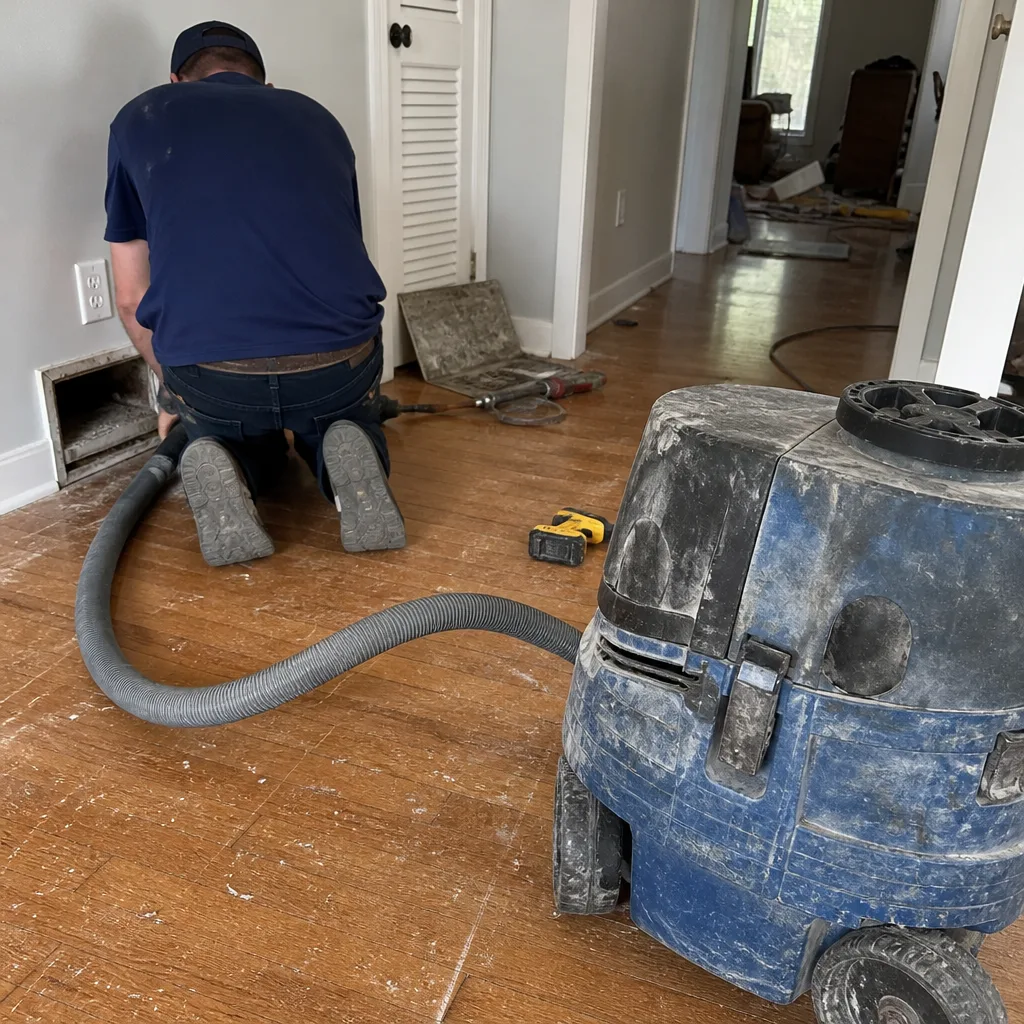 Before
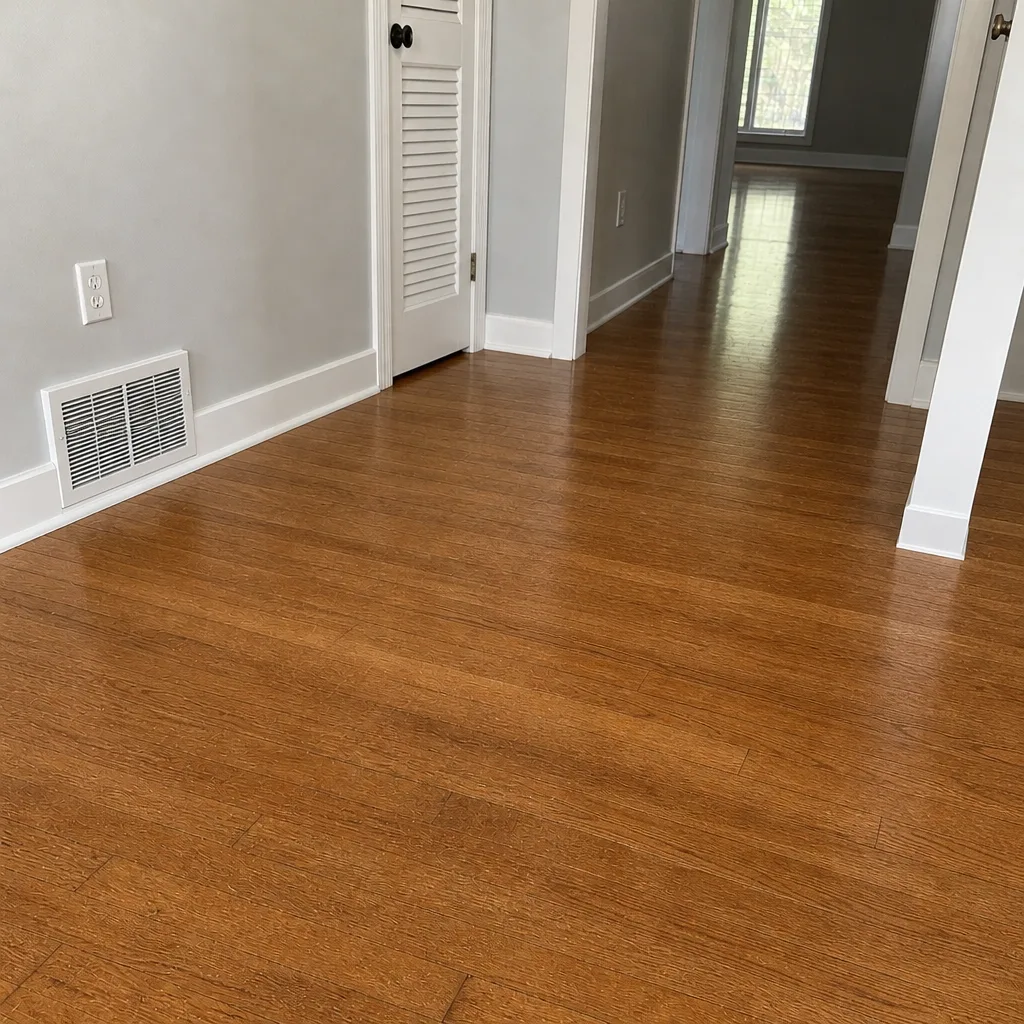 After
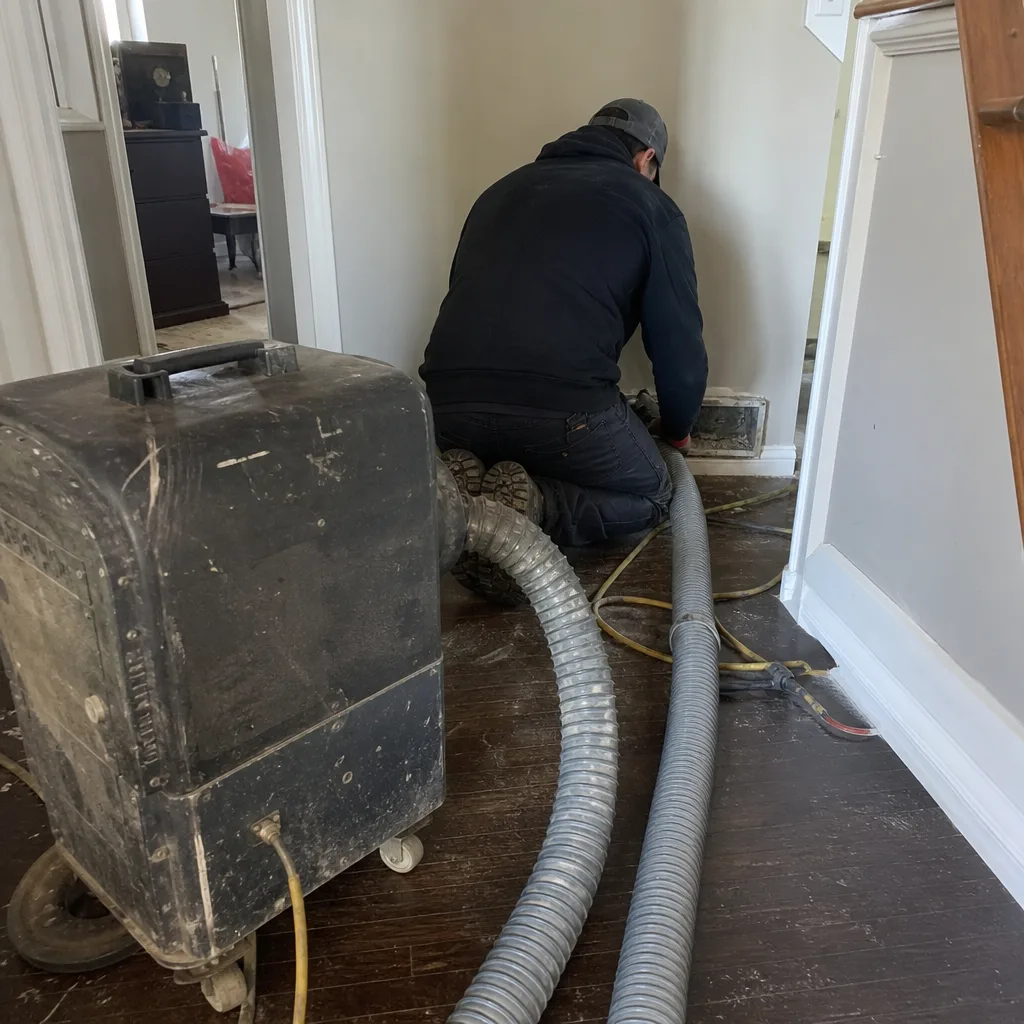 Before
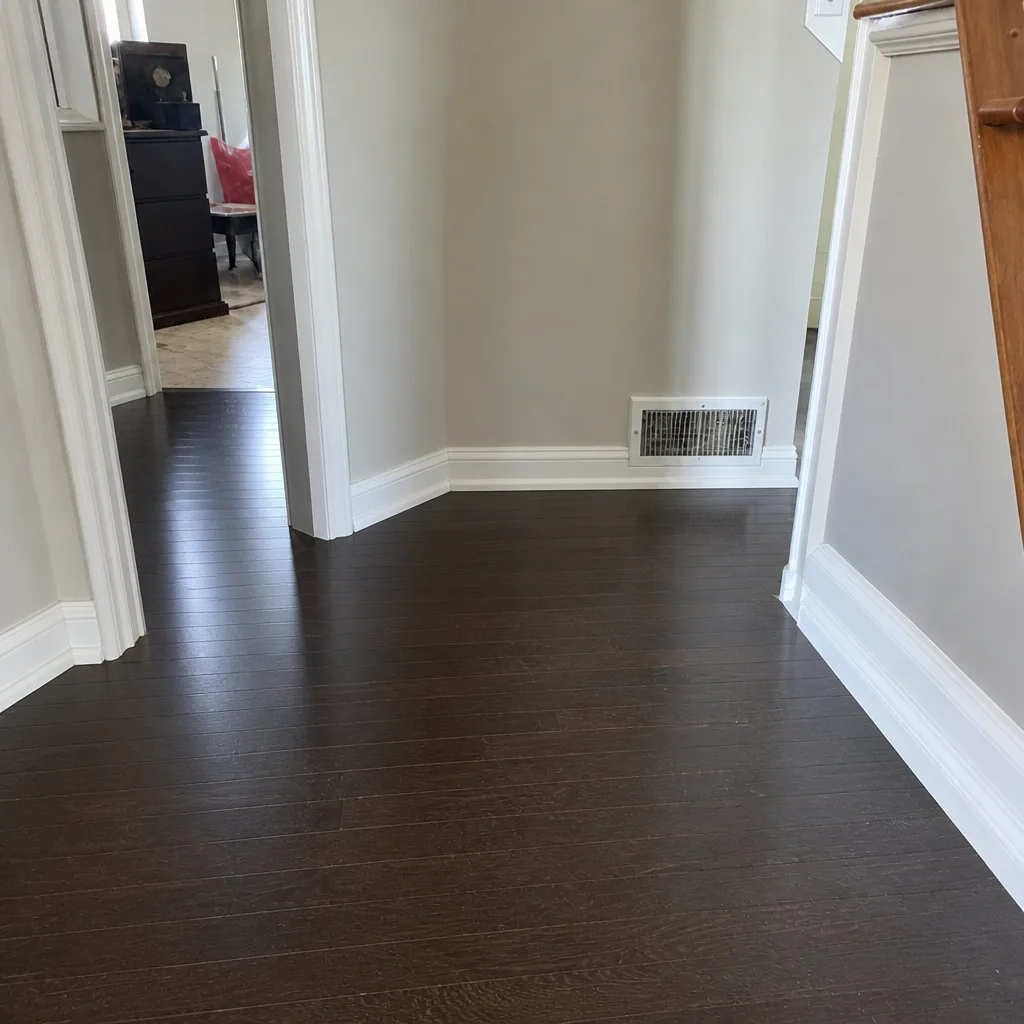 After
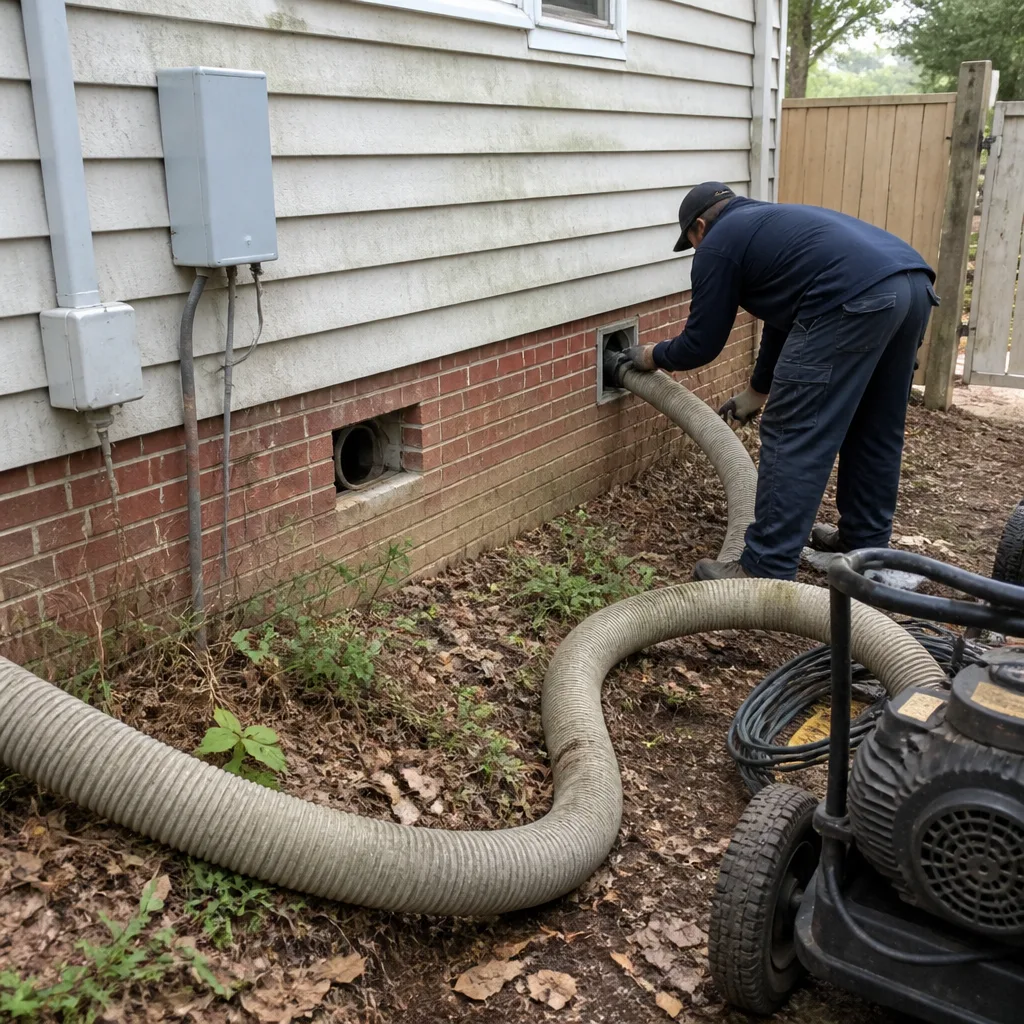 Before
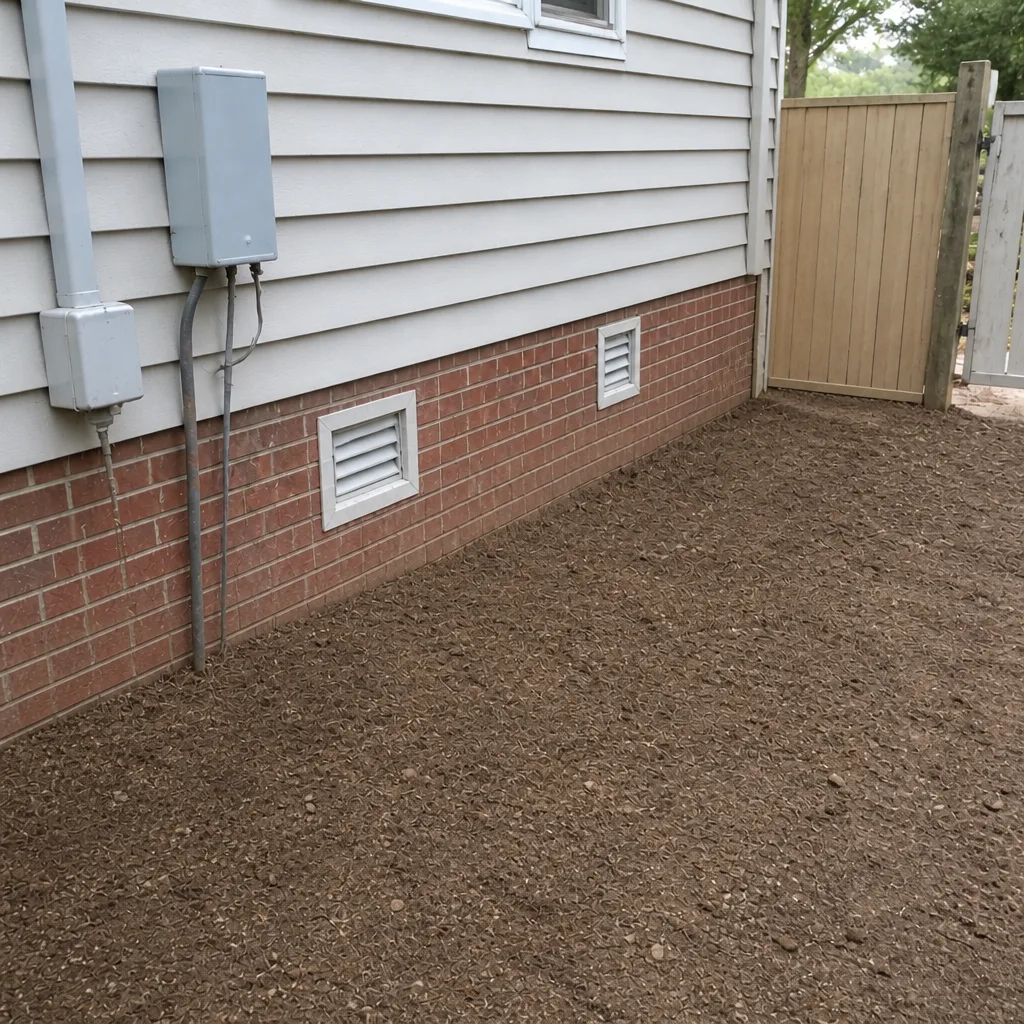 After
When to Call a Professional
Call when you have symptoms you can’t explain with a filter change, when a room stays weak after the system checks out, when you see visible dust or staining at registers that returns within days, or when a renovation or move-in has you wondering what’s inside the ducts. Call if your crawl space has visible moisture or sagging ductwork, if your allergies get worse indoors, or if you haven’t had the system inspected and the home is older.
Air Duct Cleaning Southeast Raleigh offers free estimates in Southeast Raleigh. Our technicians have up to 13 years of experience, and we work with Rotobrush and Nikro systems plus Abatement Technologies negative-air equipment so contaminants are captured, not spread. Call (866) 937-7160. We answer 24/7. Fast dispatch from 7am to 7pm, Sunday through Friday. You can also learn more about air duct cleaning and HVAC cleaning before your visit.
Frequently Asked Questions
If airflow is uneven between rooms, the ducts are usually the issue. If airflow is weak everywhere and the unit runs nonstop, the equipment or return side is more likely. A filter change and a walk through the registers with the system on will narrow it down before anyone visits. Call (866) 937-7160 for an exact quote on an inspection, estimates are free.
Low quotes are usually teaser prices that become larger invoices once the technician is inside, often because the price is per vent rather than per system. We quote one flat price per system before work starts, so the number you agree to is the number you pay. Call (866) 937-7160 for an exact quote, estimates are free.
Most homes don’t need it on a fixed schedule. It makes sense after a renovation, after a move-in, if you have pets or allergy concerns, or if you’ve never had it done in an older Southeast Raleigh home. Between those events, keeping the filter changed does more than repeated cleanings. Call (866) 937-7160 for an exact quote if you’re unsure where you stand, estimates are free.
Cleaning alone won’t fix a moisture problem, and in that case we’ll tell you so. The moisture source needs addressing first, then cleaning and air quality treatment follow. The crawl space construction common in Southeast Raleigh is exactly where this comes up. Call (866) 937-7160 for an exact quote on an inspection, estimates are free.
Ask for before-and-after photos of your own ducts. That’s the clearest proof, and we provide it as part of the job. Equipment class matters too, which is why we use professional-grade Rotobrush and Nikro systems rather than consumer equipment. For dryer vent cleaning, the vent flap should open freely when the dryer runs.
Both. Duct repair and sealing is a core service, not an add-on, because finding and fixing the root cause is the actual job. Cleaning finishes it. That’s why one visit can cover cleaning, sealing, and air quality concerns together instead of three separate appointments. Call (866) 937-7160 for an exact quote, estimates are free.
The Bottom Line
Most duct problems in Southeast Raleigh fall into three buckets: contamination, leaks and disconnected joints, or blockages and crushed runs. Map the symptom first, rule out the filter and the equipment, and only then decide on a fix. Cleaning addresses contamination. Repair and sealing address leaks and damage. Getting the order right saves the most money. One flat price per system, agreed before work starts, plus before-and-after photos, is the standard to hold any company to. If you’re unsure which bucket your home falls into, that’s the moment to have it inspected rather than guessed at.
Call (866) 937-7160 for a free estimate. We answer 24/7. Fast dispatch from 7am to 7pm, Sunday through Friday. One flat price per system, agreed before work starts, and before-and-after photos of your own ducts.
Written by the team at Air Duct Cleaning Southeast Raleigh.