
Last updated November 23, 2026
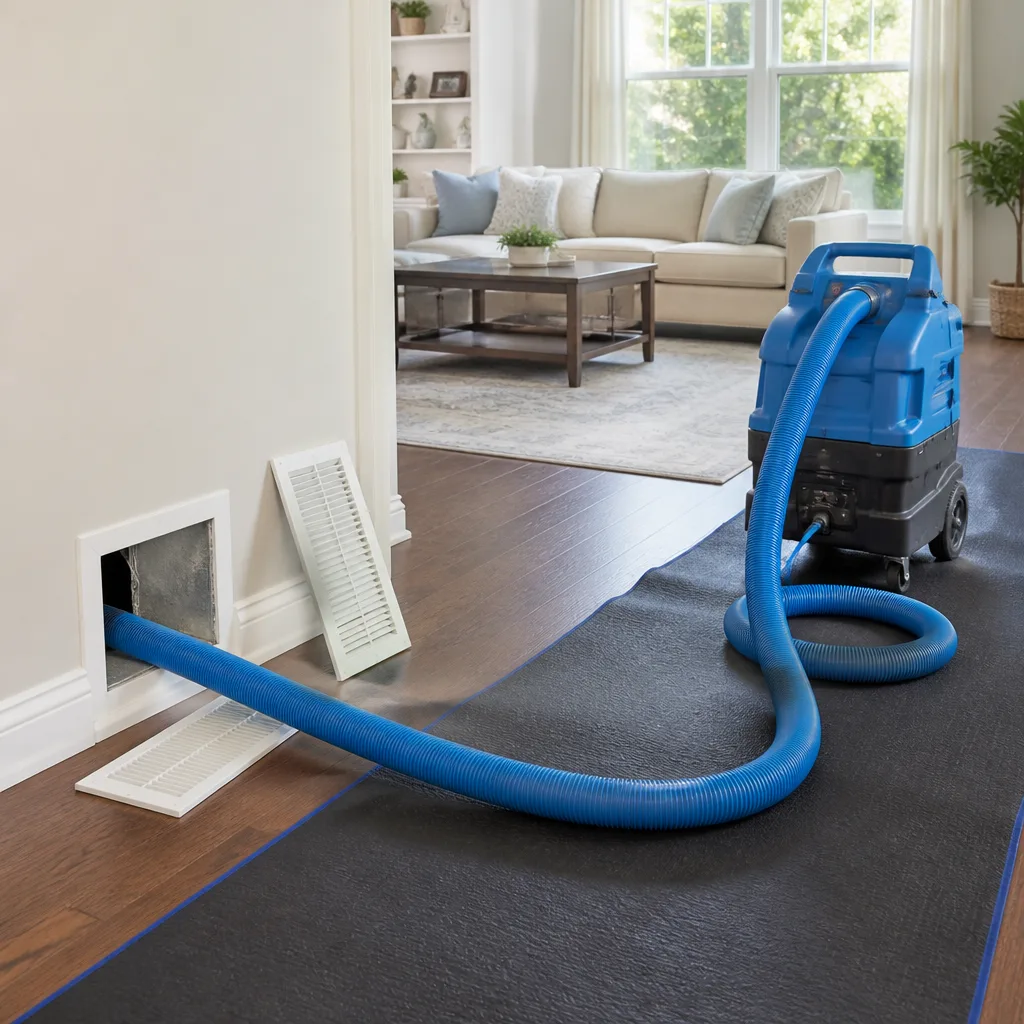 Whole-home duct cleaning
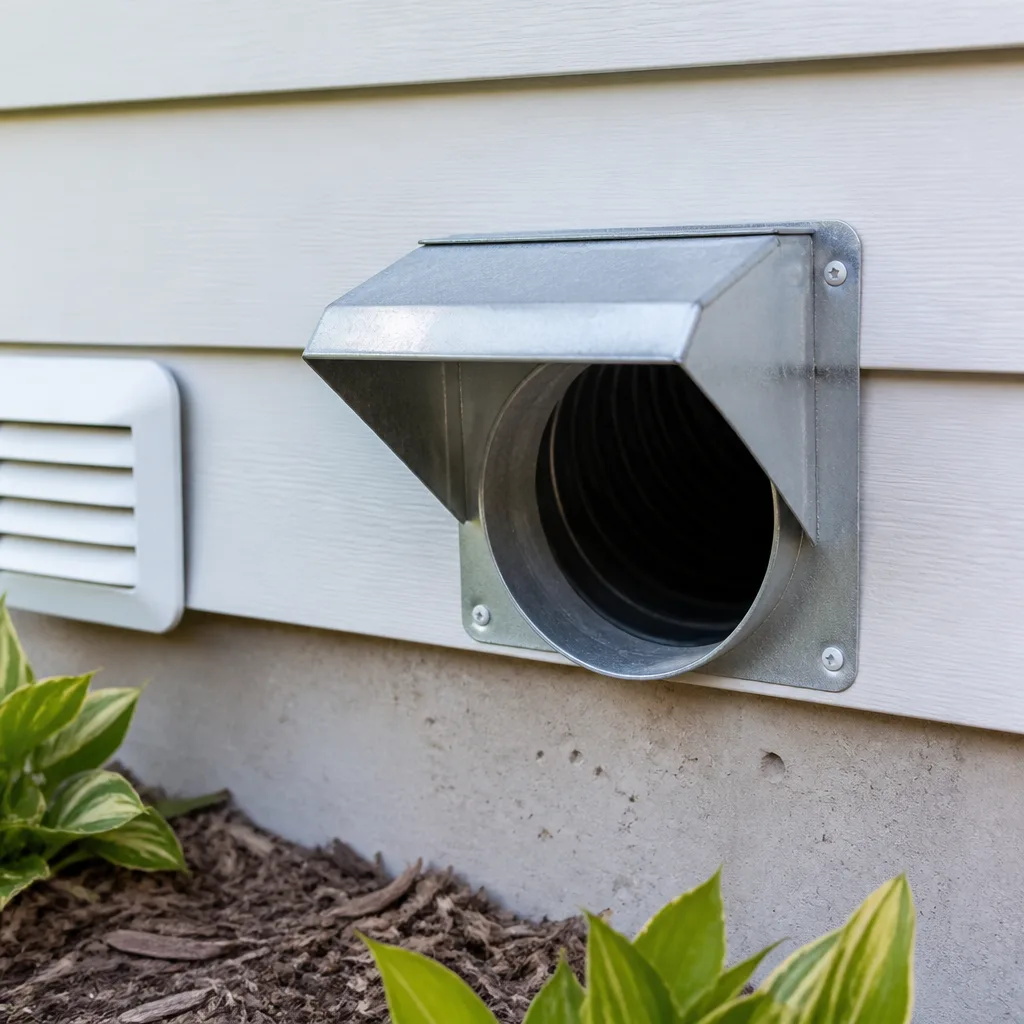 Dryer vent cleaning
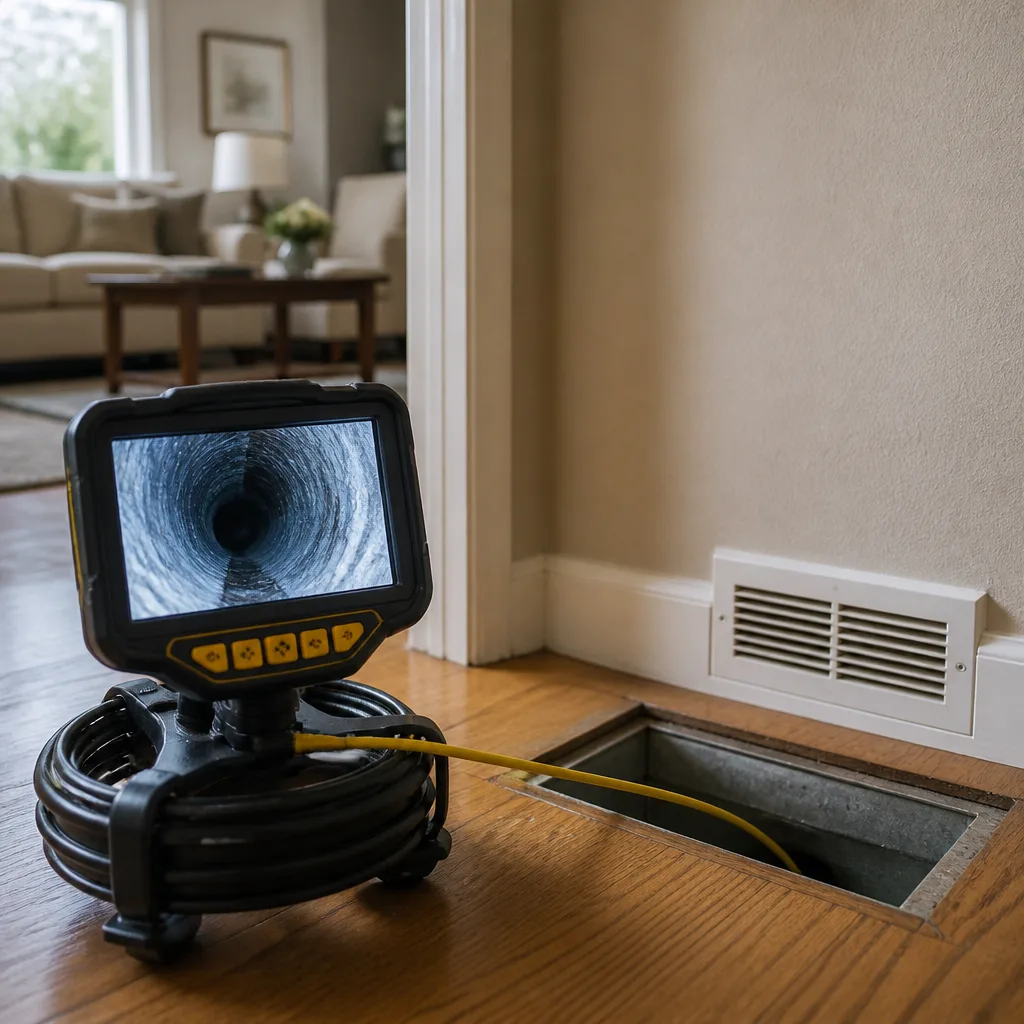 Camera inspection
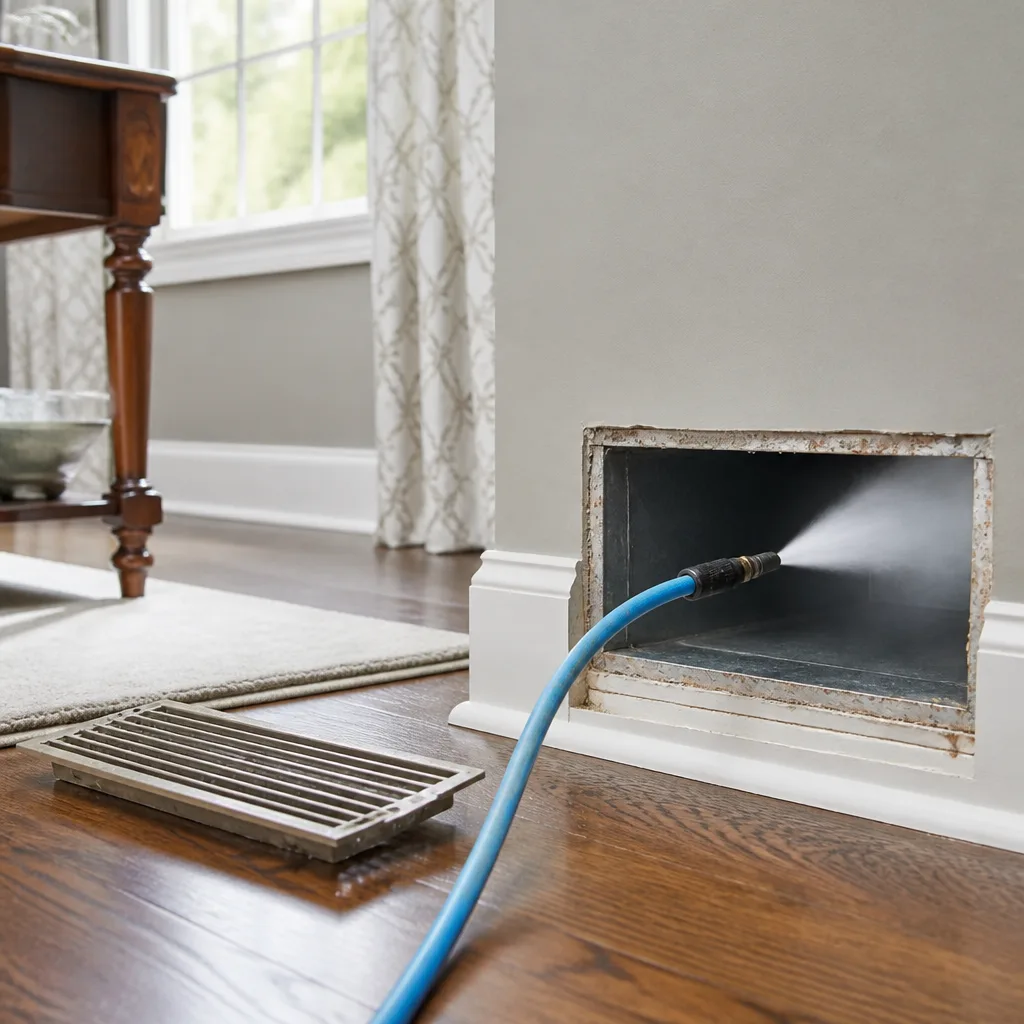 Sanitizing & deodorizing
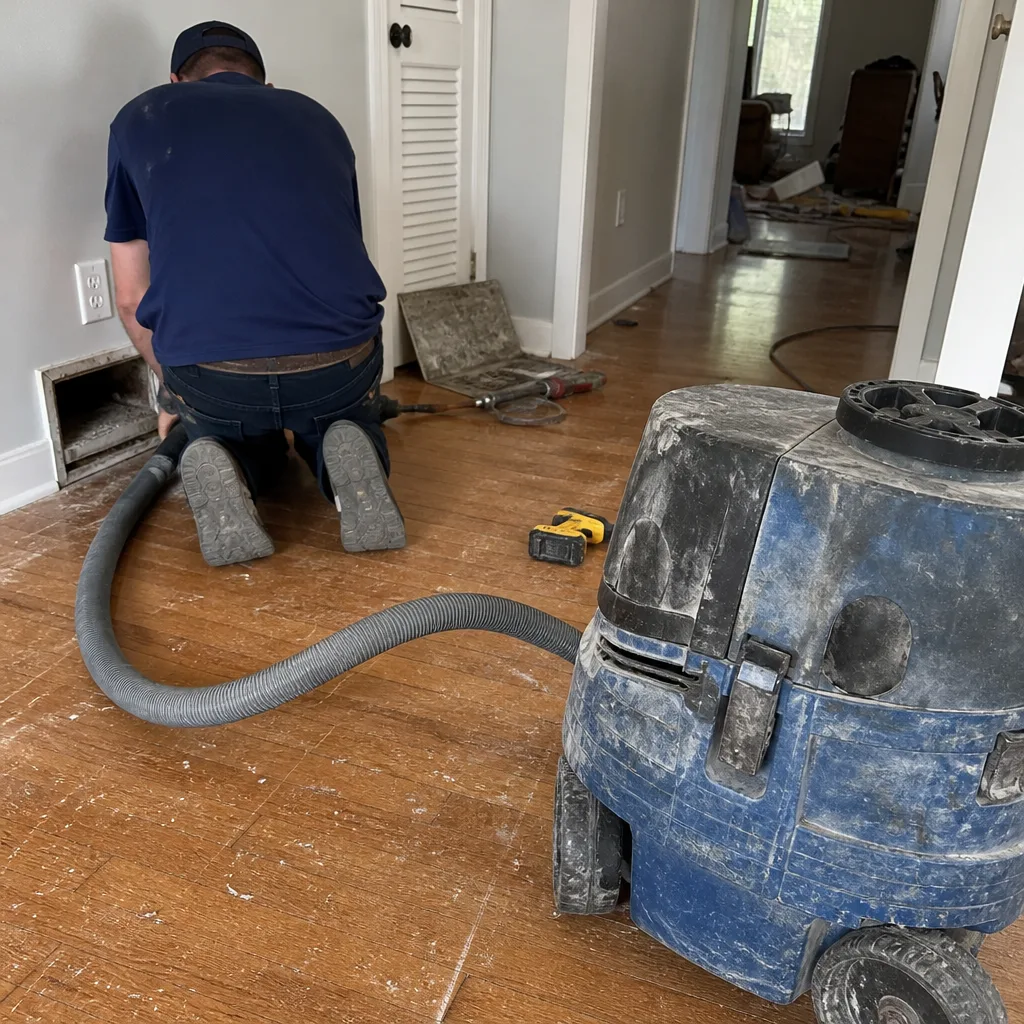
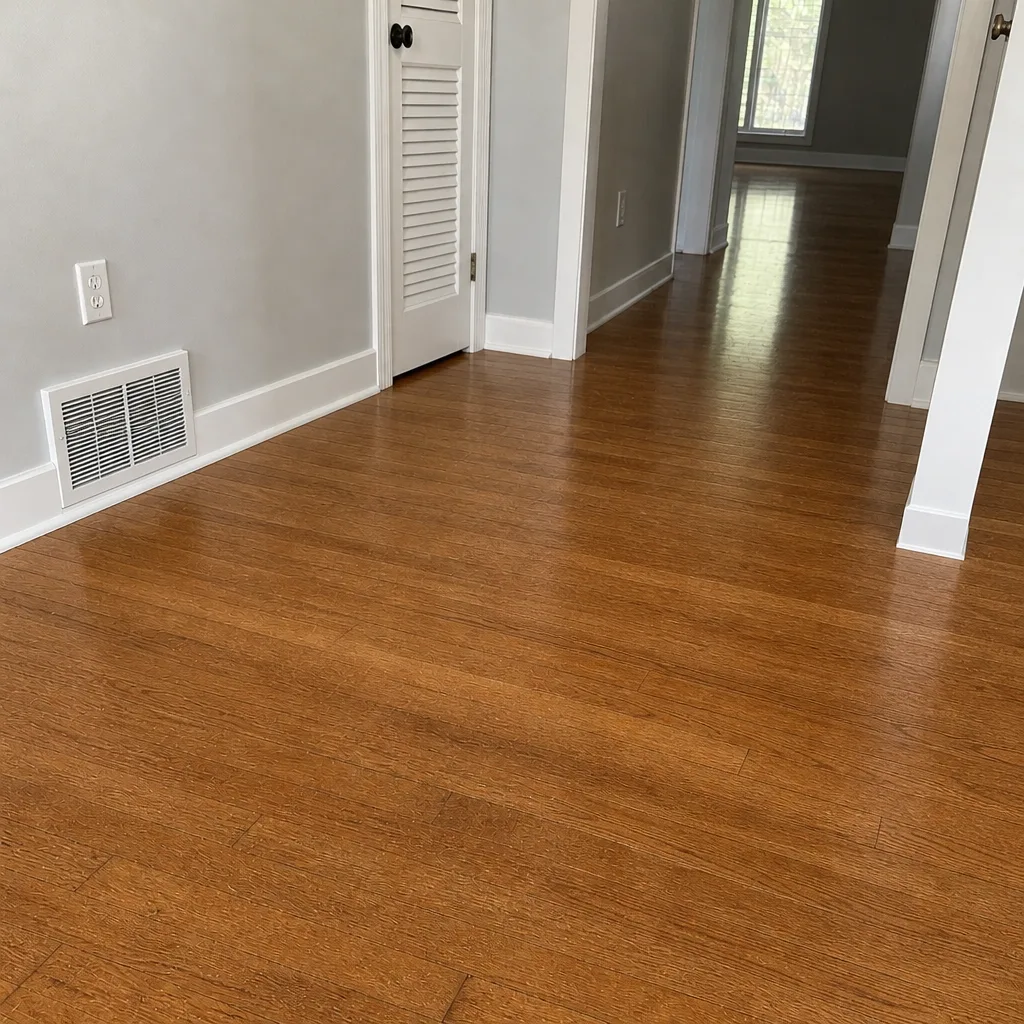
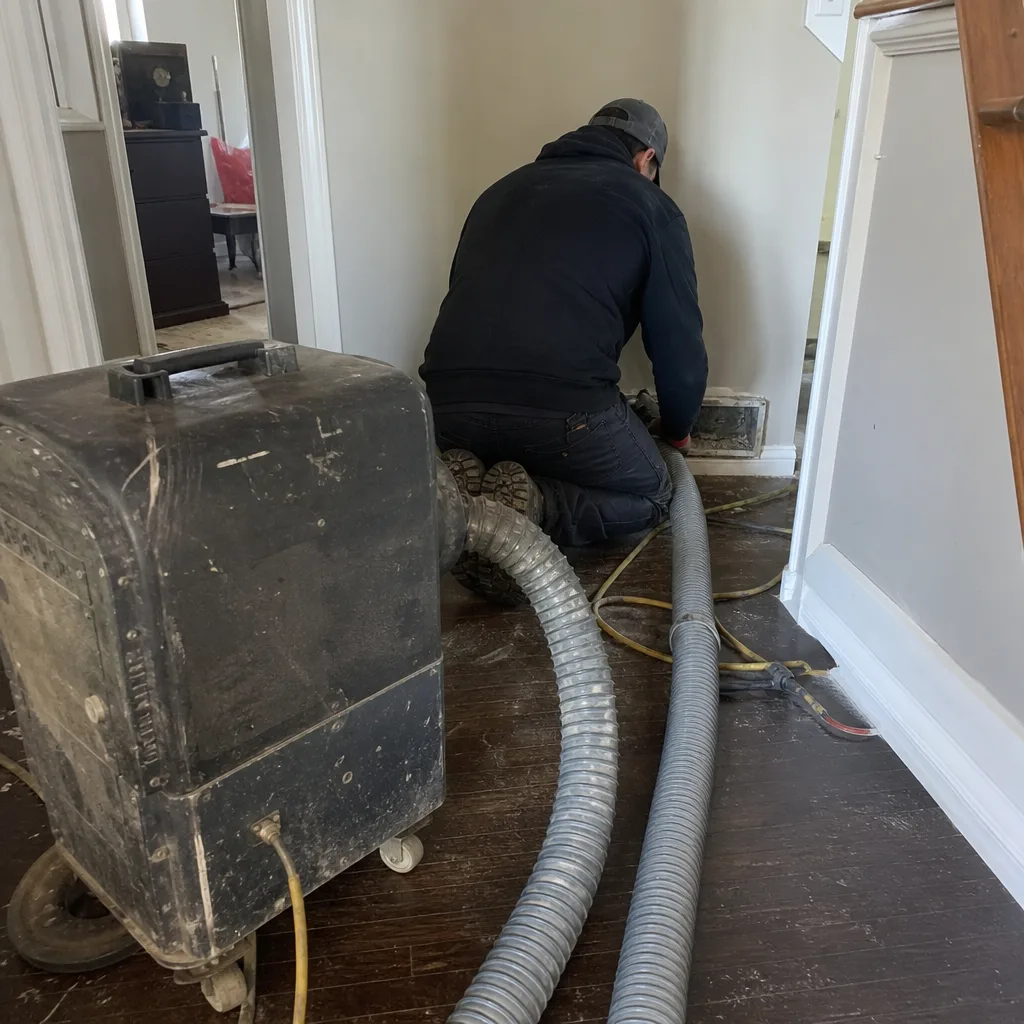
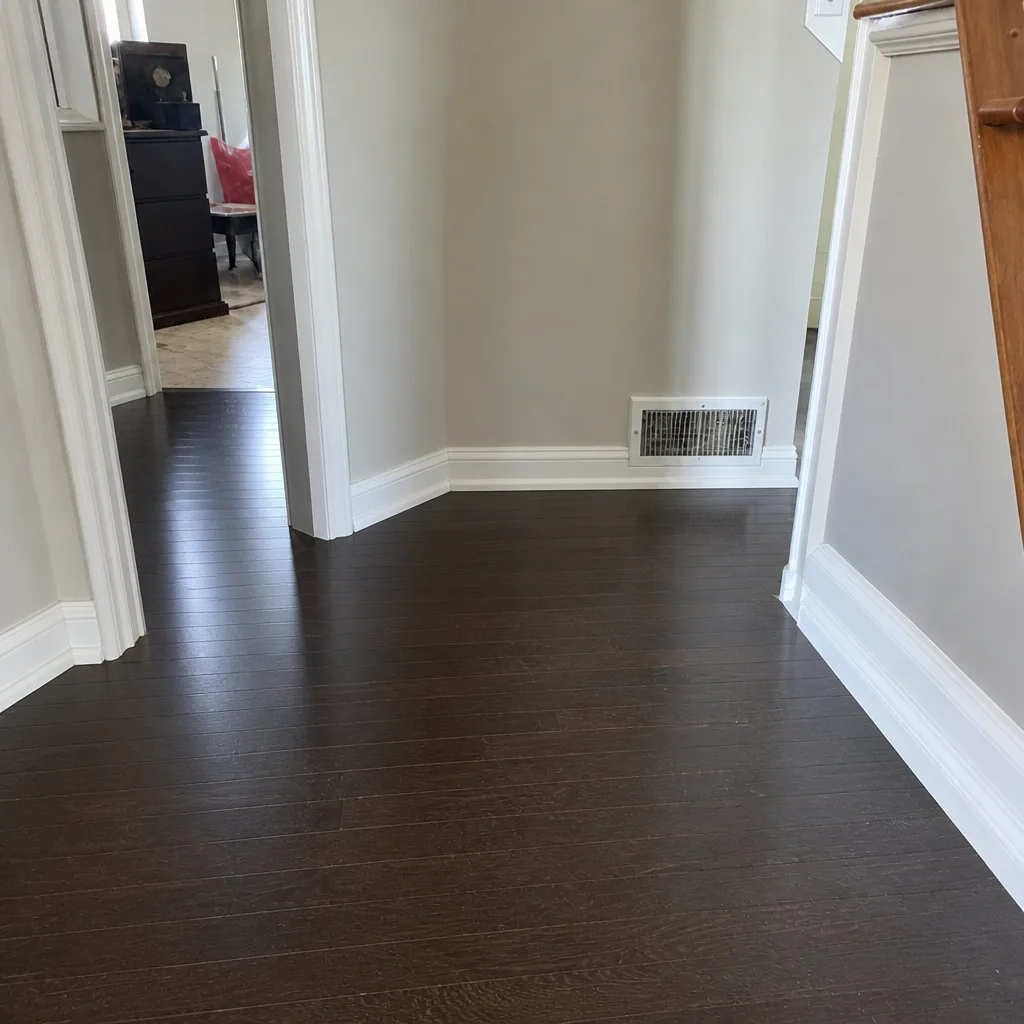
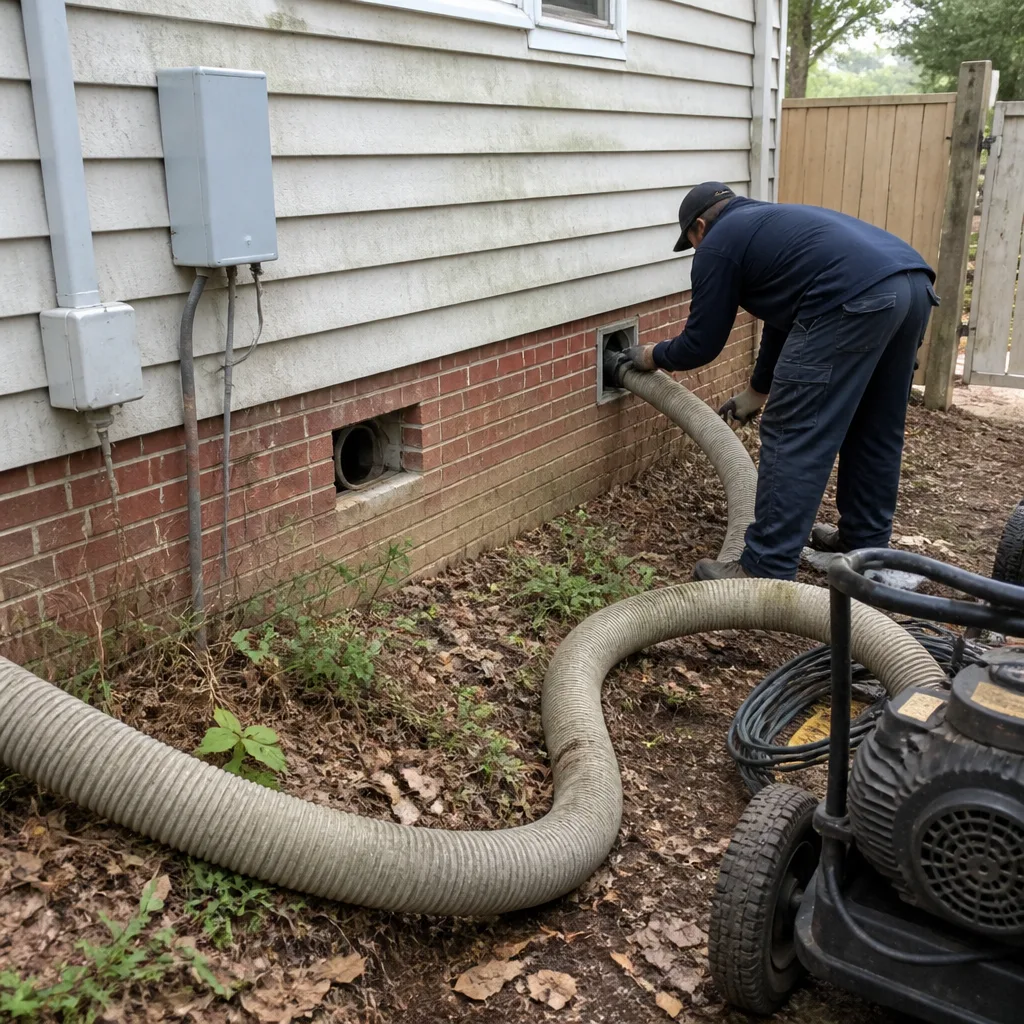
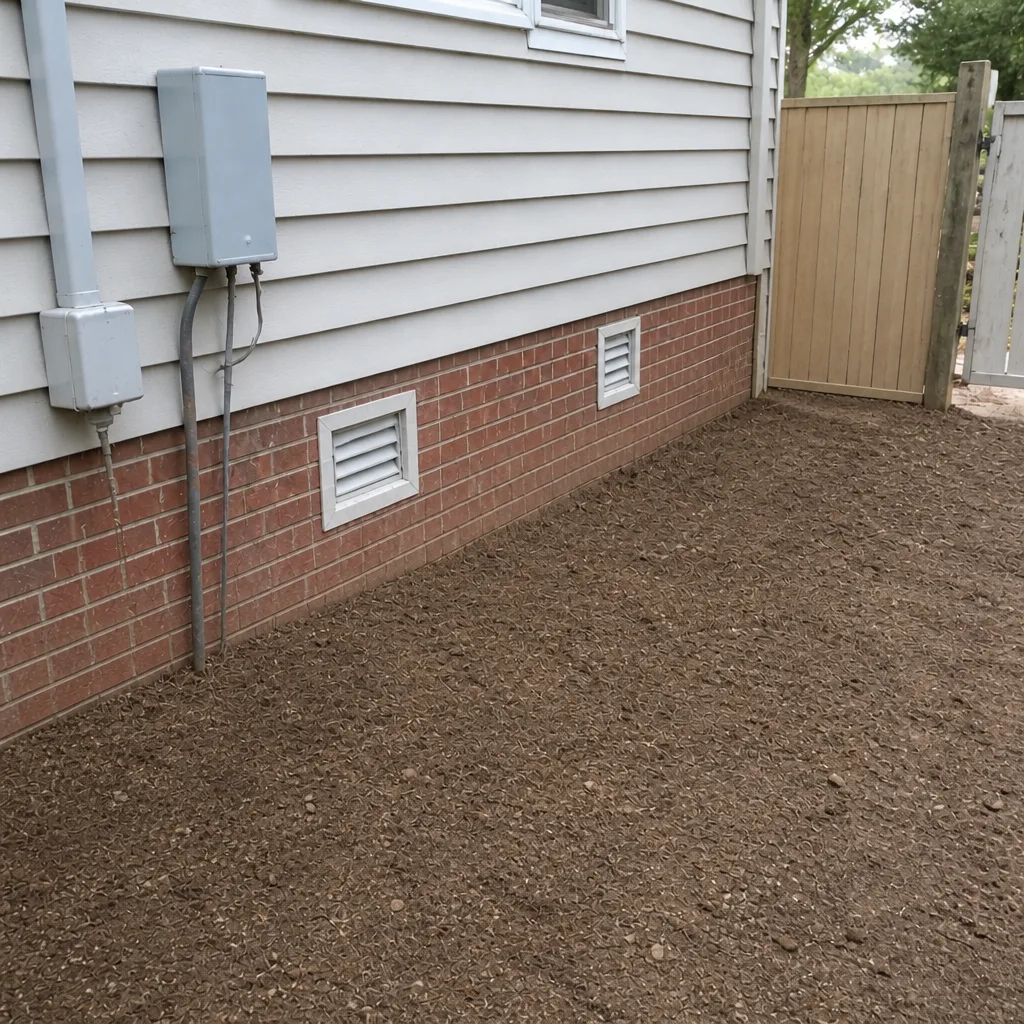
Whole-system duct and dryer vent check with before-and-after photos - you see exactly what came out of your vents
That "$99 whole-house special" is a bait ad - the real number appears once they are in your hallway, or the "clean" is a shop-vac at the register. We photograph the inside of your ducts before and after instead.
Air Duct Cleaning Maintenance Schedule: What to Do and When
Most homeowners have heard some version of the “every three to five years” rule, and most treat it like a law. It isn’t. That widely repeated figure was never a universal schedule. It was a floor, a minimum below which almost no home should fall. What it leaves out is everything that actually decides how quickly your ductwork loads up: how many people and pets live in the house, whether anyone smokes indoors, whether you’ve recently remodeled, and what your local air is carrying. In Southeast Raleigh, that last variable matters more than most guides admit, because the pollen season and summer humidity here both push debris and moisture into forced-air systems. This guide replaces the one-size-fits-all timeline with a decision-based maintenance calendar you can actually apply to your household.
Quick Answer
Air ducts in most Southeast Raleigh homes should be professionally cleaned every three to five years, but the honest interval is shorter, often every two to three years, if you have pets, smokers, a recent renovation, or a home with a crawl space. Two seasonal windows matter most: late spring after the pollen load drops, and early fall before the heating season starts. Between professional cleanings, the work is filter changes, humidity control, and checking registers and connections so recontamination slows down.
Styles & brands we work with
- Whole-home duct cleaning
- Dryer vent cleaning
- Camera inspection
- Sanitizing & deodorizing
Table of Contents
- Why the Three-to-Five-Year Rule Falls Short
- A Variable-Based Schedule: What Shortens or Extends Your Interval
- What to Do Between Professional Cleanings
- Seasonal Timing for Southeast Raleigh
- How to Log and Document Your Cleanings
- Woven In: Dryer Vents and the Rest of the System
- Your Annual Calendar, Month by Month
- What a Professional Cleaning Visit Actually Involves
Why the Three-to-Five-Year Rule Falls Short
The three-to-five-year guideline gets passed around because it’s tidy. It gives people a number, and a number feels like a plan. But a single interval applied to every home assumes every household loads its ducts at the same rate, and that simply isn’t how forced-air systems behave. Two houses on the same Southeast Raleigh street can need very different schedules based on what happens inside them.
What the guideline really represents is a floor. It’s the interval below which essentially no occupied home should fall, but a lot of homes belong well above it. A retired couple in a tightly sealed house with no pets and no indoor smoking can stretch their interval longer than the default. A family of five with two dogs, a cat, and a kitchen remodel in the rearview mirror has more going into the return air than that same guideline can account for.
There’s a practical reason to stop treating three to five years as gospel. A duct system that loads up gradually doesn’t announce itself. Debris settles, the blower pulls harder, airflow drops at the farthest registers, and the system has to work longer to move the same air. None of that is visible unless someone opens the system and looks. A schedule built around your actual household gives you a chance to catch that buildup before it becomes a performance problem.
We’ve seen this pattern across Southeast Raleigh homes of very different ages and types. The variance isn’t random. It follows a few predictable variables, and once you know which ones apply to you, you can set a real interval instead of guessing. That’s what the next section is for.
A Variable-Based Schedule: What Shortens or Extends Your Interval
Think of your cleaning interval as a starting number that moves based on your household. Begin at three to five years, then shorten or lengthen it based on these factors. This is the decision framework the generic timeline leaves out.
Factors that shorten your interval
- Pets, especially shedding dogs and cats. Pet dander coats return-side surfaces faster than dust alone, and it clings. If you’ve got more than one furry animal, plan on the shorter end of the range, every two to three years.
- Anyone who smokes indoors. Smoke doesn’t just pass through the system, it leaves a film on duct interiors that traps everything else. Shorten your interval and consider whether the smoke exposure warrants attention to filtration and air quality work alongside cleaning.
- A recent renovation or remodel. Drywall dust, sawdust, and construction debris are some of the worst offenders because they’re fine and they travel. A cleaning after any significant remodel is worth scheduling even if the last one was recent.
- A crawl-space home, or any system with returns or ducts routed through unconditioned space. In the Southeast, that space can hold moisture, and moisture is what turns ordinary dust into something worth being concerned about. These homes tend to need a tighter cycle.
- Allergy or asthma concerns in the household. If someone in the home reacts to what’s circulating, the schedule should reflect that, not a generic number.
- Dust and visible debris at registers. If you’re wiping vents and seeing buildup return within weeks, the system is telling you something.
Factors that extend your interval
- No pets, no indoor smoking, and good filtration habits. A disciplined household with higher-grade filters and regular changes genuinely slows the load.
- A recently cleaned system with no major changes since. If your occupancy, renovation history, and filtration haven’t shifted, and a thorough cleaning was done properly, you have more room between visits.
- Controlled indoor humidity. A home that keeps humidity in check keeps duct interiors drier, which slows the clinging that follows moisture.
The takeaway is that your interval isn’t a fixed rule, it’s a range you set based on which list sounds like your house. If you’re not sure where you land, an inspection answers that faster than any calculator.
What to Do Between Professional Cleanings
A good professional cleaning resets the system. What happens between cleanings decides how long that reset lasts. The goal between visits is to slow recontamination, not to attempt any of the cleaning yourself, since the inside of your ductwork isn’t accessible to consumer tools and pushing debris around in a closed system usually makes things worse.
Filters: the single highest-leverage habit
- Choose a filter grade that suits your household. Higher filtration captures more, but don’t go so high that you choke airflow. If you’re unsure, ask for a recommendation during your cleaning visit.
- Change or clean the filter on a schedule you actually keep. Note it on a calendar. A filter changed on time is worth more than a premium filter changed late.
- Check the filter after any renovation or heavy spring pollen stretch, and change it early if it’s visibly loaded.
- Match any new filter to your system’s requirements; a Honeywell or Aprilaire-compatible filter approach works with filtration equipment already in many homes.
Humidity control
Southeast Raleigh summers are humid, and humid air moving through a forced-air system is how dust starts clumping and clinging to duct walls instead of passing through. Keep indoor humidity under control with your existing AC and, where needed, a dehumidifier. Watch for condensation at registers and any musty smell coming from supply vents, both of which signal moisture somewhere it shouldn’t be.
Register and connection checks
Walk through the house periodically and look at each supply and return register. Feel for weak airflow, look for debris resting on the grille, and check that the register is seated flush and not pulling away from the wall or floor. A loose register is a gap where unfiltered air enters the system, which loads the ducts faster than the number on your calendar would predict. The same logic applies to duct connections in unconditioned space, where small gaps pull in attic or crawl-space air whenever the blower runs.
We’ve seen a lot of house calls where the schedule was being undermined by something as simple as a register that had never been reseated. It’s the kind of small step that keeps a cleaning cycle honest.
Seasonal Timing for Southeast Raleigh
If you clean on a schedule, you might not care which month it happens. But timing a cleaning to the local seasons makes the result last longer, because you’re removing what’s built up at the moment your system is about to run hardest. In Southeast Raleigh, two windows stand out.
Late spring: post-pollen
Spring here means a heavy pollen load, and pollen is fine, sticky, and it travels wherever air moves. Late spring, after the worst of the pollen has dropped and before summer cooling season runs at full tilt, is the optimal time to clean. You clear out what the season deposited right as the system moves into its heaviest cooling load, so the ducts start summer as clean as they can be.
Early fall: pre-heating
The second window is early fall, before the first heating season. Summer cooling has run the system hard for months, and the changeover to heat is a natural checkpoint. A cleaning here means the system enters heating season with a clean path for warm air, and you’ve also caught any condensation-related issues before dry heating air starts moving through the same ducts. Call to schedule before the fall crunch, since the pre-heating window fills quickly.
Why not midsummer or deep winter?
You can clean any time, but midsummer is peak cooling load and deep winter is peak heating load. Scheduling outside those stretches means the system isn’t working at its hardest while it’s being serviced, and you get the benefit of a clean system during the season that follows. If you’re a property manager juggling several units, use the two seasonal windows as your default and stagger the bookings.
Dryer vent cleaning belongs in the same seasonal conversation, and it can be done during either window. We’ve had good results pairing it with the spring and fall visits to keep everything on one calendar.
How to Log and Document Your Cleanings
A maintenance schedule only works if you can look back at it. Documentation does two things: it keeps you from guessing about the last cleaning, and it gives you a record that matters for home warranty claims and for the next owner if you ever sell.
- Start a simple log, either a note on your phone or a page in a household binder. Keep it where you’ll actually use it.
- Record the date of each professional cleaning, the company, and what was done: which parts of the system were cleaned, whether the dryer vent was included, and whether any repair or sealing was performed.
- Note the filter type and brand you’re using, plus manufacturer dates of your filter changes. This tells you whether you’re meeting the filter maintenance your HVAC manufacturer’s warranty likely expects.
- Ask for before-and-after photos of your own ducts at every cleaning, and keep them with the log. Photos are the plainest proof the work was actually done, and they let you compare buildup from one cleaning to the next.
- Note any repairs or sealing work so the next cleaning can check whether those held. A sealed connection that starts leaking again is something you want to catch.
- Keep receipts. If you ever file a warranty claim, a documented history of professional maintenance supports your case.
For property managers, the same log applied across each unit turns scattered service calls into a real maintenance record. It’s a small amount of bookkeeping that pays off when a tenant or owner has a question.
Woven In: Dryer Vents and the Rest of the System
Air duct cleaning is the spine of a maintenance calendar, but your forced-air system has more than one part, and the schedule should hold them all. The dryer vent is the one most often overlooked, and it deserves its own annual slot.
Dryer vent cleaning
Lint builds up in the dryer vent every time the dryer runs, and a clogged vent restricts airflow, which lets heat build in the duct. That’s the reason dryer vent cleaning is treated as a fire-risk reduction step, not an optional extra. Schedule a professional dryer vent cleaning on the same calendar as your duct work. Once a year is a sound baseline for an occupied home, and more often for households that run the dryer frequently. Our dryer vent service is one of the five core service lines we handle, which means one visit can clear the vent while the duct cleaning is being scheduled.
The HVAC components
Your air handler and evaporator coil see a lot of what passes through the ducts. Cleaning the HVAC cleaning components alongside your ducts keeps the whole path clear instead of cleaning one half of a system. This is where professional-grade equipment matters: consumer tools can’t reach the coil and blower, and they can’t capture what they dislodge.
Duct repair and sealing
This is the piece many schedules leave out. A duct system that leaks at its connections is pulling unconditioned, unfiltered air into the system, which loads the ducts faster and wastes the conditioned air you’re paying for. Repair and sealing treats the root cause rather than the symptom. If a cleaning visit turns up a leaking joint or a failed connection, sealing it is what keeps your next interval from getting shorter.
Air quality and sanitizing
Cleaning removes what’s there. Sanitizing work addresses what’s left behind on surfaces, and it extends the job beyond cleaning to indoor air quality overall. We use Honeywell and Aprilaire-compatible solutions so the work integrates with the equipment already installed in most homes, and Abatement Technologies negative-air and HEPA filtration equipment keeps captured contaminants contained during the process instead of circulating them back into the house.
The reason all of this belongs in one guide is that these parts of the system share a schedule. One visit, complete system, is a better maintenance story than five separate appointments. That’s the point of tracking all five service lines on one calendar.
Your Annual Calendar, Month by Month
Here’s the calendar in practice. Like any self-respecting guide, we’re giving you a general structure, not a fixed schedule, since your interval depends on the household variables above. But this gives you a frame to plug your dates into.
- Early spring: Change filters, check registers and connections, and note the pollen season beginning. Watch for condensation and musty odors.
- Late spring (post-pollen window): Schedule the professional air duct cleaning visit. Pair it with dryer vent cleaning and, if needed, HVAC cleaning. This is the best window in Southeast Raleigh.
- Summer: Hold filters on schedule and keep humidity in check during peak cooling. This is your window to catch anything the cleaning visit flagged, like a seal that needs attention.
- Early fall (pre-heating window): Schedule the second cleaning or at minimum a supplement: dryer vent cleaning plus any repair or sealing work identified earlier. If your household is on a two-to-three-year interval, this is your main cleaning.
- Late fall into winter: Change filters again, watch for dry-air furnace dust, and check registers before heating season gets heavy.
- Year-end: Review the log. If it’s been longer than your household’s interval, or if pets, renovations, or new occupants have changed things, book a visit.
Notice that the calendar is built around a primary cleaning every two to five years depending on the household, with the dryer vent running on a yearly cycle and the duct repair and sealing work checked at each window. That’s the difference between a generic timeline and a maintenance plan that fits how your home actually runs.
What a Professional Cleaning Visit Actually Involves
Knowing what a proper visit involves makes it easier to tell a real cleaning from a surface one. A cleaning shouldn’t leave you wondering whether anything actually happened, and the right process is documented from start to finish.
- Inspection first. A technician opens the system and explains what they found: the return side, the supply lines, the coil and blower area in the air handler, any connections in unconditioned space, and any signs of moisture. You should leave this walkthrough knowing what’s there.
- Containment. Before any cleaning starts, the process should include HEPA-level containment, using Abatement Technologies negative-air and HEPA equipment, so that captured contaminants are contained rather than redistributed through the house. This is the same equipment class used in remediation work.
- Cleaning with professional-grade equipment. The work uses professional systems like Rotobrush and Nikro, which is what separates a real cleaning from a shop vac and a hose. These systems are built for duct interiors and for capturing what they dislodge.
- Sanitizing where appropriate. Air quality work with Honeywell and Aprilaire-compatible solutions can follow the cleaning, so the work goes beyond cleaning toward measurable indoor air quality.
- Repair and sealing. Any leaks, failed connections, or gaps found during the visit get addressed so the system stops pulling in unfiltered air. From cleaning to sealing is the whole point.
- Before-and-after photos. You get documented results showing your own ducts, not stock images. This is how you know the work was done.
- A written summary. What was cleaned, what was repaired, and what to watch before the next visit, recorded in a form you can keep with your log.
We’ve built our Southeast Raleigh service around that process because it’s what makes a maintenance schedule meaningful. If your household needs the full sequence, we can handle duct cleaning, dryer vent cleaning, HVAC cleaning, air quality treatments, and duct repair and sealing together. Learn more about our core air duct cleaning Southeast Raleigh service if you want the full picture, or call ((866) 937-7160 and we’ll schedule a visit around your seasonal window.
Common Mistakes to Avoid
- Treating three to five years as a rule rather than a floor. If you’ve got pets, smokers, or a recent remodel, the default interval leaves buildup in place. Adjust it to your household.
- Skipping a cleaning because nothing seems wrong. Duct buildup doesn’t announce itself, and a lot of it happens where you can’t see it. The absence of a complaint isn’t a maintenance plan.
- Cleaning only the visible registers and grilles. Wiping a register doesn’t touch the duct line behind it. A surface pass misses most of the system.
- Ignoring the dryer vent because it isn’t the ducts. Lint buildup in the vent is a fire-risk issue and deserves its own annual slot on the calendar.
- Not asking for before-and-after photos. Without photos of your own ducts, you have no way to confirm the work or compare buildup between cleanings. Ask every time.
- Letting a humid Southeast Raleigh summer go unchecked. Humidity turns dust into clinging residue and can hint at moisture issues. Keep it in check between visits.
- Cleaning mid-summer or mid-winter when the system is working hardest. The seasonal windows exist for a reason. Plan around them, especially if you’re a property manager with several units to schedule.
- Forgetting to log it. If you can’t say when your last cleaning was, the schedule has already broken down. Keep a record with photos and receipts.
See the difference
 Before
 After
 Before
 After
 Before
 After
When to Call a Professional
Some signs mean it’s time to move up your next cleaning, or to call for an inspection even if you’re not due. Call if you’re seeing visible dust or debris coming back on registers quickly, if anyone in the home has allergy or asthma symptoms that seem worse indoors, if you’ve finished a renovation, or if you’ve moved into a home and don’t know its cleaning history. A musty smell from supply vents, weak airflow at far registers, or a dryer that takes longer than it used to are all signs worth a visit. Visual evidence of duct damage or a loose connection is worth attention too, since a leaky system loads faster than a clean one.
Air Duct Cleaning Southeast Raleigh offers free estimates in Southeast Raleigh and the surrounding area. Call ((866) 937-7160 to schedule an inspection or a cleaning in your seasonal window. We answer 24/7. Fast dispatch from 7am to 7pm, Sunday through Friday.
If you’re a homeowner or property manager in Southeast Raleigh and want the full-system approach, we handle all five service lines in one visit. Review our Air Duct Cleaning Southeast Raleigh for the full service picture.
Frequently Asked Questions
Every three to five years is the baseline, but the honest answer depends on your household. If you have pets, smokers, a recent renovation, or a crawl-space home, plan on every two to three years. If your home is low-traffic, pet-free, and well-filtered, you can stretch toward the longer end. The right interval is a range you set based on those variables, and a free estimate will tell you where yours lands. Call ((866) 937-7160 for an exact quote.
A low quote usually means a surface-level pass, maybe registers and grilles, not the full duct lines and the air handler. A real cleaning uses professional-grade equipment like Rotobrush and Nikro and HEPA containment, and it includes before-and-after photos of your own ducts. If a quote is far below others, ask exactly what gets cleaned and whether the work is documented. We give one flat price per system agreed before work starts. Call ((866) 937-7160 for an exact quote.
Before-and-after photos of your own ducts. That’s the clearest proof, and you should ask for it every visit. A dated summary of what was cleaned and repaired is the second piece. If a company can’t show you documented results, keep looking. Call ((866) 937-7160 for an exact quote.
Late spring, after the pollen load drops, and early fall, before heating season. Those are the two windows where a cleaning gives you the longest-lasting result in this climate. You can schedule any time, but the seasonal windows keep the system clean entering its hardest-working stretches. Call ((866) 937-7160 for an exact quote.
Yes, and put it on the same calendar. The dryer vent builds up lint separately from the ductwork, and a clogged vent is a fire-risk concern. Dryer vent cleaning runs on a yearly cycle in most occupied homes, and it’s a dedicated service line we handle alongside duct cleaning. Call ((866) 937-7160 for an exact quote.
In most cases, yes. Duct cleaning, dryer vent cleaning, HVAC cleaning, air quality and sanitizing treatments, and duct repair and sealing can be scheduled together so the whole forced-air system is addressed in one go. That’s the practical reason to work with a specialist that covers all five service lines rather than calling separate companies. Call ((866) 937-7160 for an exact quote.
The Bottom Line
The three-to-five-year guideline is a floor, not a schedule. Set your real interval by your household: pets, smokers, renovations, and crawl-space construction all shorten it, and a low-traffic, well-filtered home can extend it. Between cleanings, filters, humidity control, and register checks do the most to slow recontamination. In Southeast Raleigh, time your cleanings to late spring after pollen and early fall before heating season, and give your dryer vent its own yearly slot. Log every cleaning with photos and receipts. When you’re ready for a visit, an inspection will tell you exactly where your system stands.
Call ((866) 937-7160 for a free estimate. We answer 24/7. Fast dispatch from 7am to 7pm, Sunday through Friday, and we’re closed Saturday. We serve Southeast Raleigh with professional-grade equipment, documented before-and-after photos, and one flat price per system agreed before work starts.
Written by the team at Air Duct Cleaning Southeast Raleigh.