
Last updated November 23, 2026
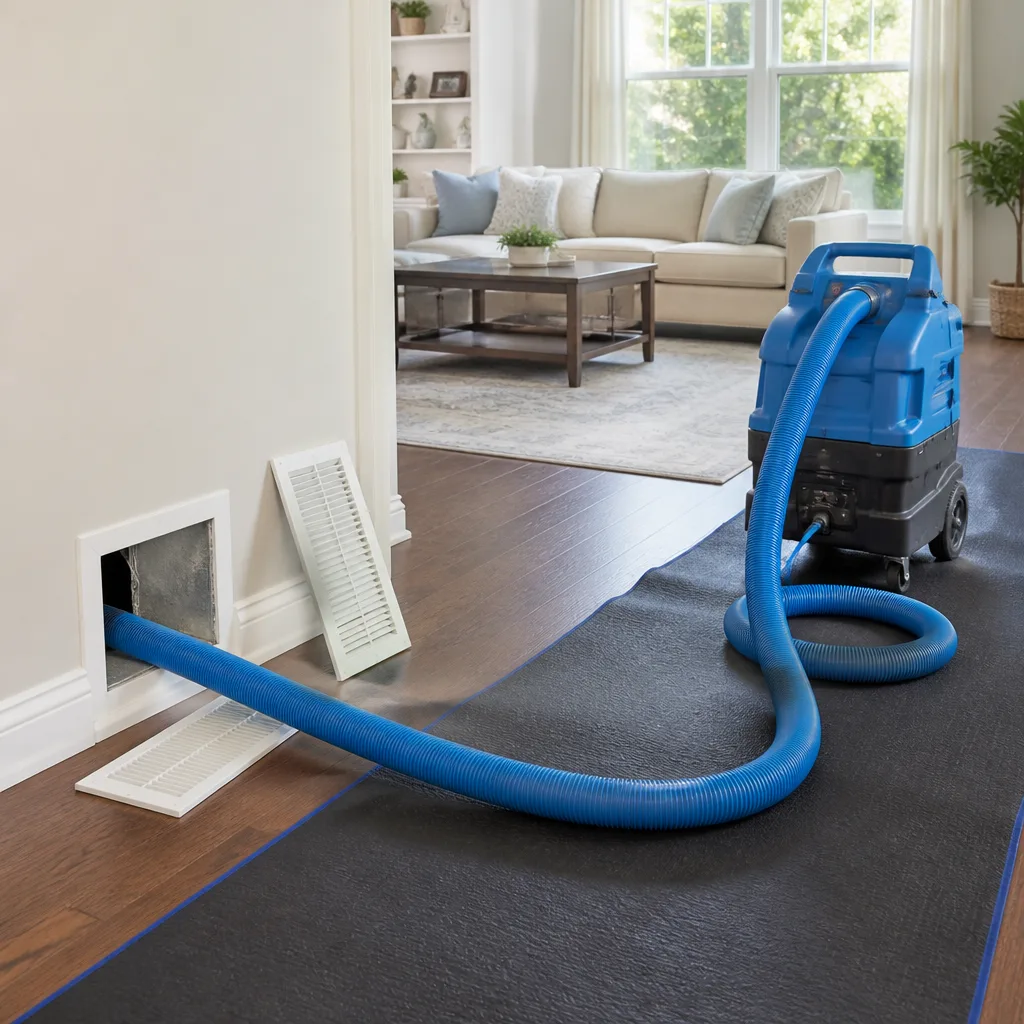 Whole-home duct cleaning
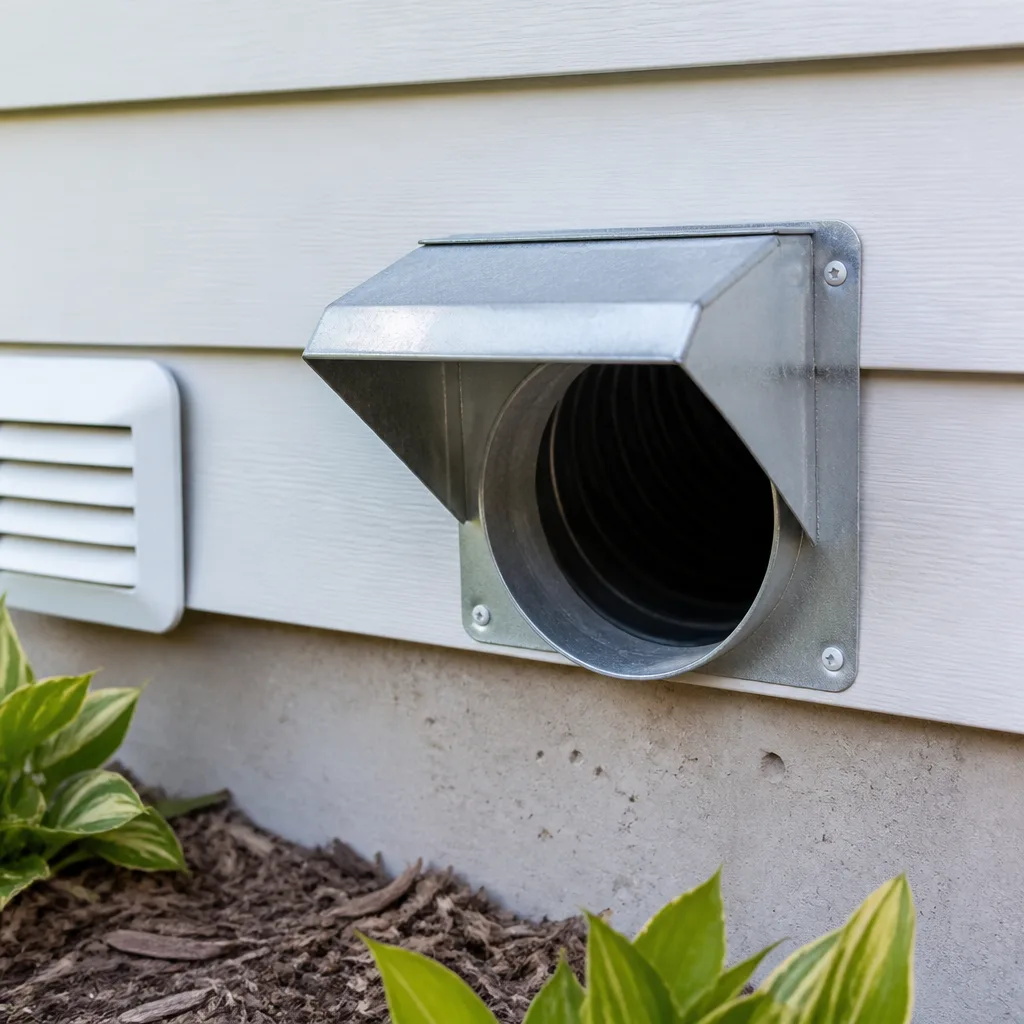 Dryer vent cleaning
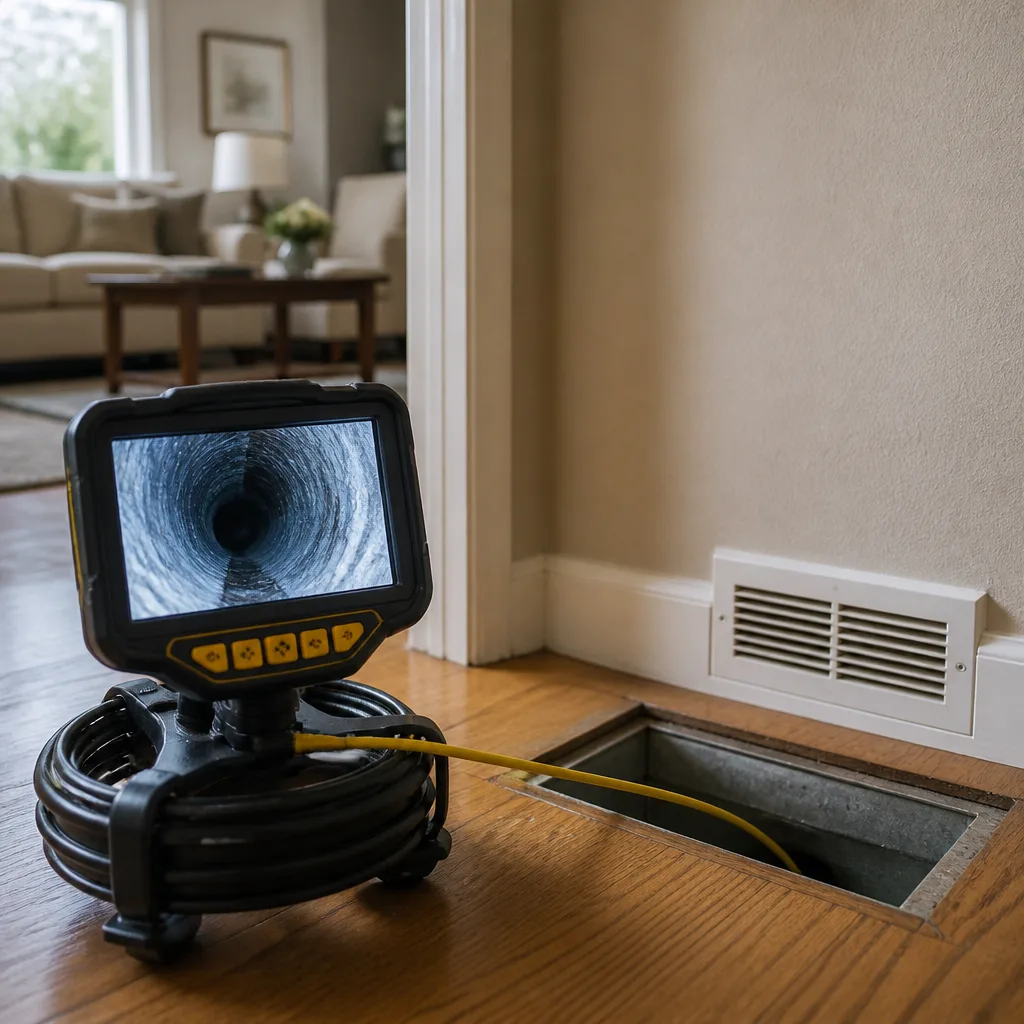 Camera inspection
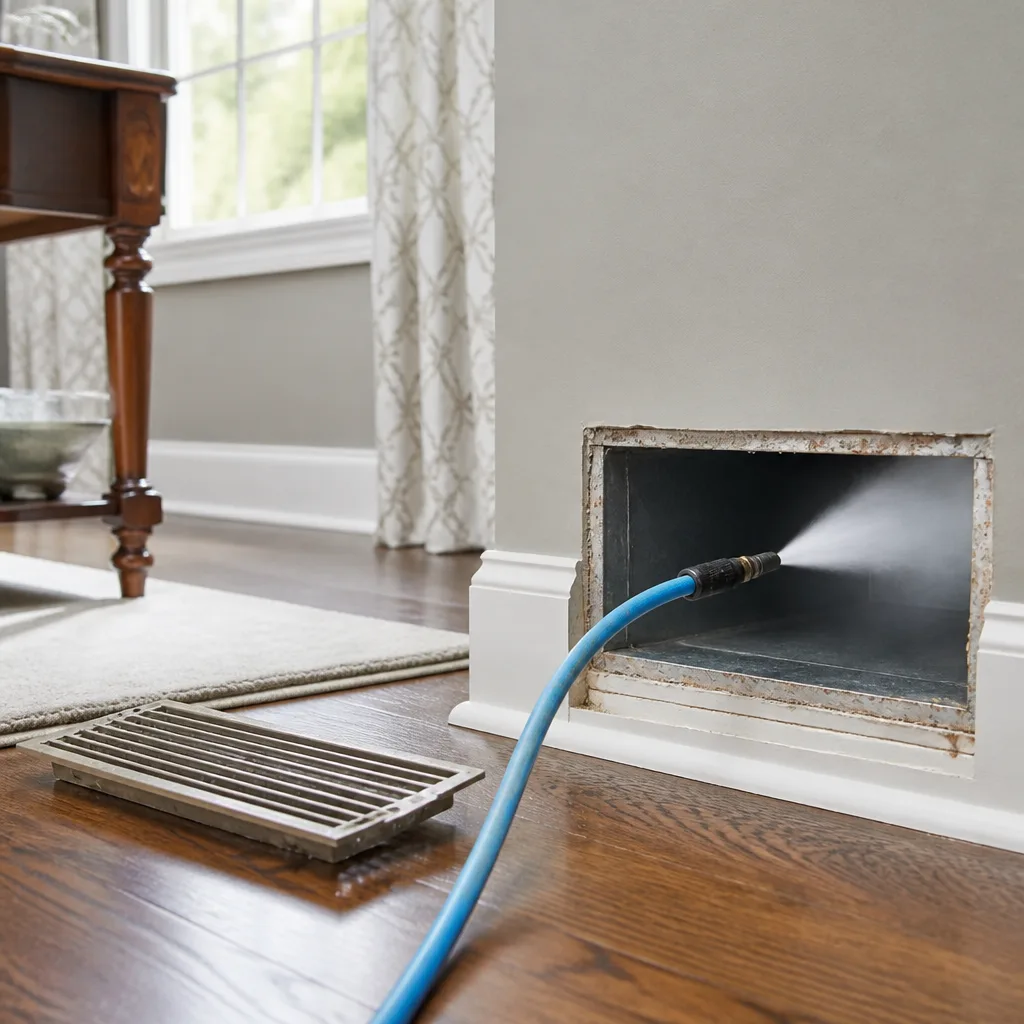 Sanitizing & deodorizing
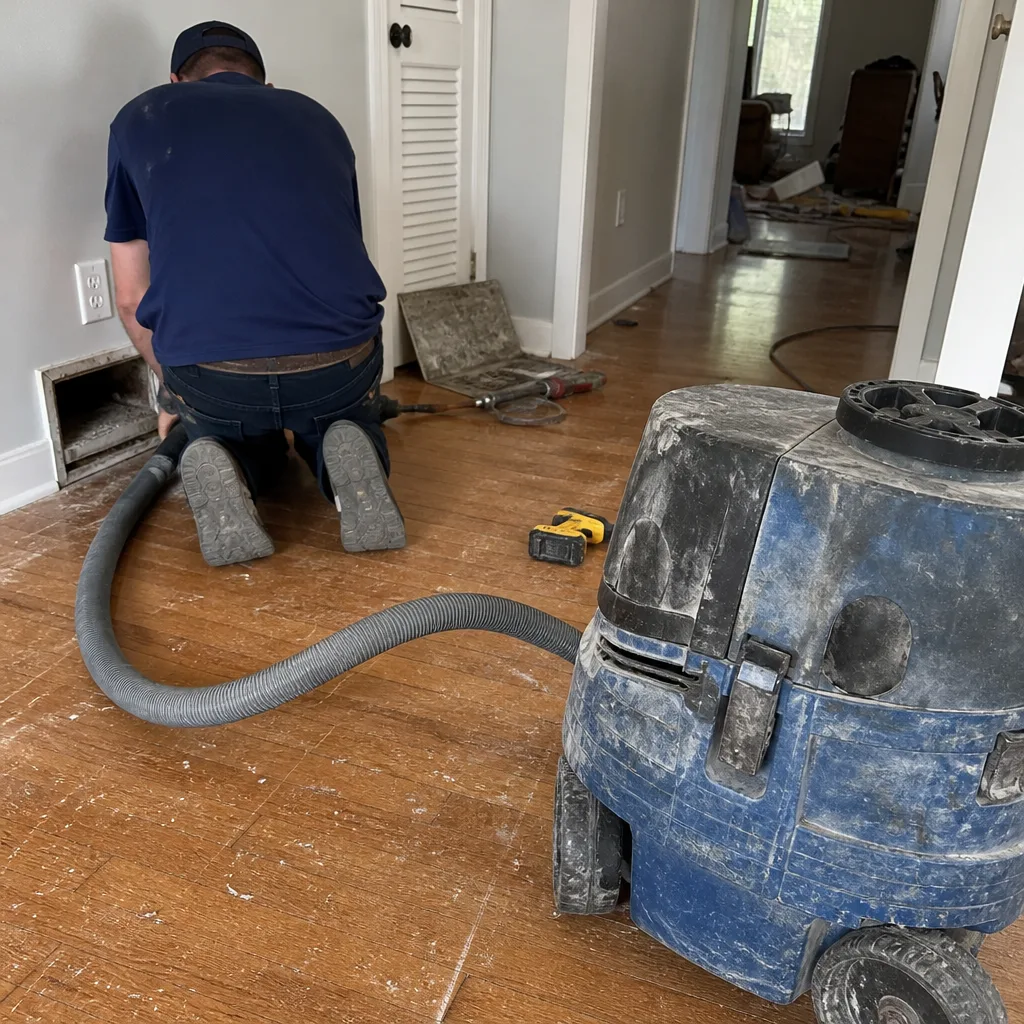
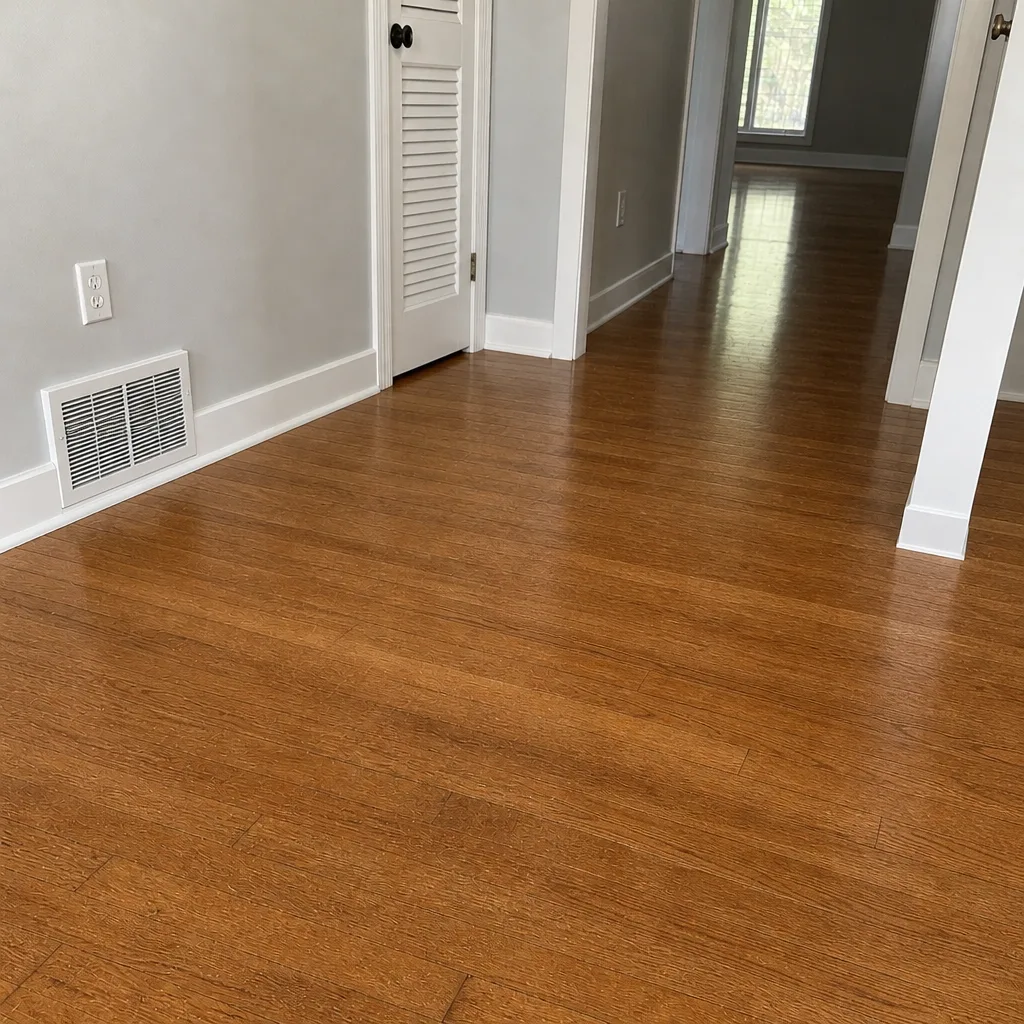
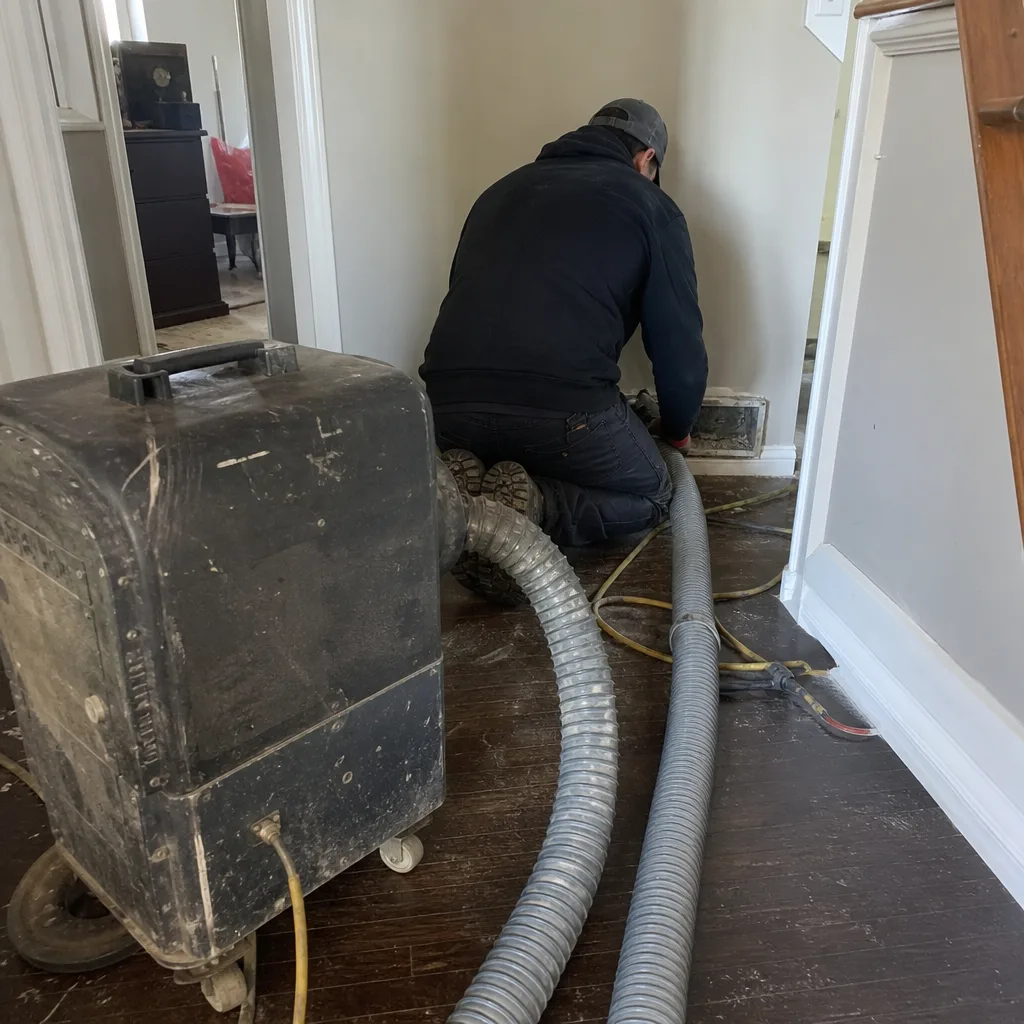
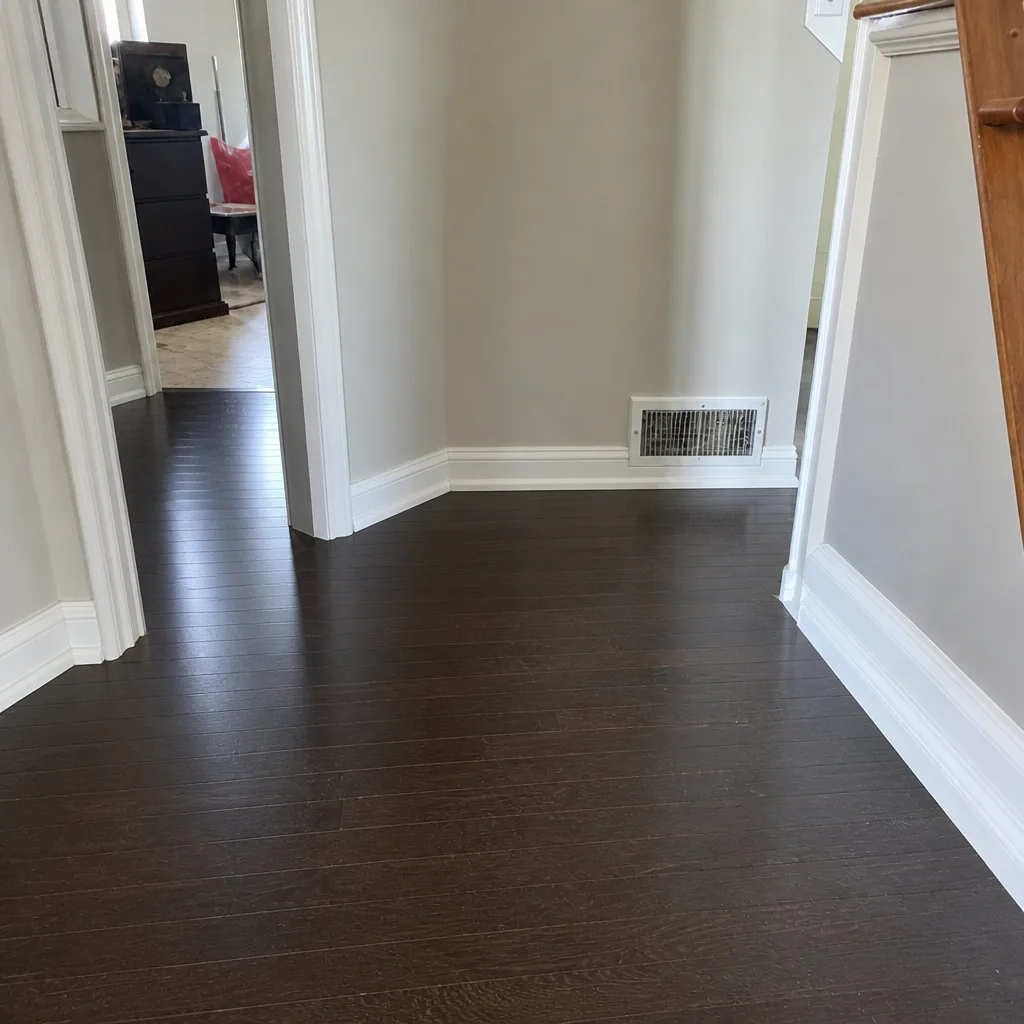
Whole-system duct and dryer vent check with before-and-after photos - you see exactly what came out of your vents
That "$99 whole-house special" is a bait ad - the real number appears once they are in your hallway, or the "clean" is a shop-vac at the register. We photograph the inside of your ducts before and after instead.
Air Duct Cleaning Emergency Preparedness Guide for Southeast Raleigh Homes
After a flood in Southeast Raleigh, the most common HVAC mistake we hear about is a homeowner switching the system on to dry the house out. That instinct makes sense and it’s the wrong move. Running the air handler after water has reached the crawlspace or attic pulls flood-contaminated air straight through the duct system and distributes it into bedrooms, kitchens and living rooms. A few hours of “drying out” can undo months of careful cleanup. This guide covers what to actually do: how to shut the system down correctly, what to inspect before restart, when ducts need cleaning versus replacement, how wildfire smoke changes the picture, and how to document everything for an insurance claim. Our technicians have up to 13 years of experience with forced-air systems in Southeast Raleigh, and we’ve written this so you can act with a clear plan instead of a panic.
Quick Answer
If your Southeast Raleigh home has been through flooding, storm damage or a heavy smoke event, shut off the HVAC system at the thermostat and the breaker before doing anything else, then have the duct system inspected before restarting it. Duct cleaning is the right call when contamination is surface-level and the ductwork is structurally sound; duct replacement is the right call when ductwork has absorbed water, sagged, or come apart. In both cases, the sequence matters more than the speed: stop the system, assess the damage, then clean or repair.
Styles & brands we work with
- Whole-home duct cleaning
- Dryer vent cleaning
- Camera inspection
- Sanitizing & deodorizing
Table of Contents
- Why You Shut the System Off First
- Post-Flood Protocol: What to Inspect Before Restart
- Duct Cleaning vs. Duct Replacement After Water Damage
- Wildfire Smoke and Regional Air Quality Events
- Storm Debris and Attic Ductwork Exposure
- Emergency Triage: Who to Call First
- Documenting Duct Condition for Insurance
- Common Mistakes to Avoid
Why You Shut the System Off First
The air handler in a forced-air system is a large fan. When it runs, it creates negative pressure in the return side and positive pressure on the supply side. That’s exactly what makes a system efficient on a normal day. After flooding, storm damage or smoke infiltration, it’s what makes the system a distribution tool for whatever has entered the ductwork. Contaminants pulled into the return don’t stay in the ducts. They come out of every register in the house.
Here’s the sequence we recommend to any homeowner in Southeast Raleigh who calls us after a water event:
- Set the thermostat to OFF. Not “fan on” or “auto” – off.
- Kill power at the air handler breaker in the panel, not just the thermostat.
- Note the time and date you shut it off. You’ll need this for insurance.
- Do not run the fan to dry the house. Open windows and use standalone fans if the outdoor air is dry.
- Check for standing water near the air handler, in the return plenum, and around floor registers.
- Leave it off until a technician has inspected the ducts and the air handler.
The reason this matters more in Southeast Raleigh than in some places is the region’s storm pattern. Heavy rain events can push water into crawlspaces under older pier-and-beam homes that are still common in parts of this area. Those crawlspaces often carry the main trunk line of the duct system. Water in a crawlspace doesn’t have to reach the ducts directly to cause a problem – the humidity alone will saturate fiberglass duct insulation, and saturated insulation loses its ability to resist mold growth within a matter of days. Shutting the system down gives you time to make that assessment before contaminated air is pushed into every room.
For a deeper look at what routine service looks like on a healthy system, our Air Duct Cleaning Southeast Raleigh page covers the standard cleaning process end to end.
Post-Flood Protocol: What to Inspect Before Restart
Before the air handler goes back on, someone with the right equipment needs to look at the duct system. Here’s what that inspection should cover in a Southeast Raleigh home:
- Flex duct condition. Flexible duct is common in attic and crawlspace runs. Flex duct that has been submerged or saturated sags, collapses and traps moisture inside the liner. It rarely dries out completely.
- Duct board insulation. Duct board is porous. If it got wet, mold will grow inside the board, not just on the surface. Surface cleaning won’t fix that.
- Seams and joints. Water and debris can open taped or mastic-sealed joints, and a small gap becomes a big air-loss point once the system is running again.
- Registers and grilles. Remove and inspect supply and return grilles for debris, silt or visible growth.
- Crawlspace humidity. A moisture reading in the crawlspace tells you whether the ducts are still sitting in a humid environment. If they are, running the system pulls that moisture into the airstream.
- Air handler and coil. Standing water in the drain pan or around the coil is a sign the unit itself needs attention before any duct work is worthwhile.
We use Abatement Technologies negative-air and HEPA filtration equipment during assessments and cleaning precisely because it’s the same equipment class used in remediation work. When we’re inspecting a post-flood system in Southeast Raleigh, the goal isn’t just to clean – it’s to capture contaminants during the process rather than redistributing them into the air the family is breathing. That distinction matters most right after a water event, when the ducts are at their most contaminated.
If the inspection finds surface contamination on sealed metal ductwork, cleaning is usually enough. If it finds saturated duct board, collapsed flex runs or visible growth inside insulation, the honest answer is replacement of those sections. We’d rather tell you that than clean something that can’t be cleaned.
Duct Cleaning vs. Duct Replacement After Water Damage
This is the decision most homeowners in Southeast Raleigh struggle with after a flood, and it’s the one where a bad call costs the most money. Cleaning a duct system that should have been replaced leaves moisture and growth sealed inside the very channels that carry air to every room. Replacing ductwork that only needed cleaning wastes money on an unnecessary job.
The rule of thumb we use:
| Situation | Typical call |
|---|---|
| Sealed metal ductwork with surface dust or silt | Clean and seal |
| Flex duct with light surface contamination, no moisture | Clean; replace damaged runs |
| Flex duct that was submerged or stayed wet | Replace |
| Duct board with visible growth or moisture readings | Replace |
| Collapsed, torn or disconnected duct runs | Replace and repair |
| Ducts holding up but leaking at seams | Clean and seal |
Professional-grade equipment makes a difference on the cleaning side. We use Rotobrush and Nikro systems – the same class of machine certified duct cleaning specialists use, not a shop vac with a long hose. Those systems can reach the full interior surface of a run and pull the loosened debris into a HEPA-filtered collection unit, which is what separates a real clean from a surface wipe. But no amount of equipment turns saturated insulation into a safe duct. When replacement is the honest answer, we say so.
Duct repair and sealing is a core service for us, not an add-on. In older Southeast Raleigh homes with original sheet-metal trunk lines, the failure points after a storm are usually at the joints and connections. Sealing those back up restores the system’s ability to do its job without dumping conditioned air into the crawlspace. Our air duct cleaning service page covers the standard cleaning and sealing process in more detail.
Wildfire Smoke and Regional Air Quality Events
Wildfire smoke doesn’t behave like house dust. It carries fine particulate matter small enough to travel deep into the respiratory system, and it infiltrates a home through every gap: window seals, door sweeps, attic vents and the duct system’s own leaks. During a regional smoke event, the air handler keeps cycling outside air through the return side and pushing it into every room. The system is doing what it’s designed to do, which is the problem.
After a significant smoke event in the Southeast Raleigh area, the standard cleaning interval doesn’t apply. A system that was cleaned last spring can still carry smoke residue if the house was in the path of a plume. What to look for:
- Smoke odor in the return air. If you smell smoke at the return grille more than a few days after the smoke cleared, residue has settled in the duct surfaces.
- Dark film on grilles and registers. Wipe a clean white cloth across a supply grille. A dark or greasy residue is a sign the airstream is carrying smoke particles.
- Filter condition. A filter that turned dark brown in a week did its job, but the particles it didn’t catch went into the ducts.
- Humidity plus smoke. Smoke residue on damp duct surfaces can become a sticky film that traps dust and never fully dries. This combination is more common in Southeast Raleigh’s humid summers than in dry climates.
After smoke events, cleaning the ducts and sanitizing the system is often the right one-two step. We offer air quality and sanitizing services using Honeywell and Aprilaire-compatible solutions, which means the treatment integrates with equipment already installed in many homes. That’s a functional upgrade to indoor air quality, not a cosmetic touch-up. On some jobs, the answer is a proper cleaning followed by a targeted sanitizing treatment and a filter upgrade – all of it in one visit. Our HVAC cleaning page explains how the air handler and coil get handled alongside the ducts.
Storm Debris and Attic Ductwork Exposure
Attic ductwork is the most exposed part of any forced-air system, and after a roof or attic-damage event in Southeast Raleigh, it’s the first place to check. A missing shingle or a section of compromised roof decking lets in rain and wind-blown debris. Attic insulation blown around during the storm can settle on top of duct runs, and water can reach duct surfaces that looked fine from inside the house.
- Stay out of the attic if the roof is unstable or wet. Decking can be slick or rotten after a storm, and a fall is a worse problem than a dirty duct.
- Look for daylight through the roof. Any visible penetration means the attic was exposed.
- Check for water staining on duct surfaces. Look at the top of flex runs and the seams of sheet-metal trunk lines.
- Check for displaced insulation. Insulation piled against or on top of ducts traps moisture.
- Check duct hangers and supports. Storm movement and wind can drop a run or pull it loose from the plenum.
- Check for debris inside open boots or disconnected runs. A disconnected boot is an open door to attic air.
What we look for is not just whether the attic got wet, but whether the ducts stayed wet. Attic temperatures in a Southeast Raleigh summer can push moisture out of wood and insulation quickly, but duct insulation holds water differently. If the vapor barrier on a flex run has been compromised, that run needs replacement, not cleaning.
Emergency Triage: Who to Call First
The single biggest source of wasted money after a storm event is calling the wrong trade first. Here’s the sequence we recommend:
- Water remediation first if there is standing water, saturated drywall, wet carpet or active mold growth in the living space. A duct company can’t dry a house.
- An HVAC technician first if the air handler, coil or electrical components took on water. The system has to be safe to run before anything else matters.
- A duct specialist first if the ducts and air handler are dry but the crawlspace, attic or living space flooded, the roof was damaged, or the home was in the path of a smoke event. That’s our scope.
- A roofer first if the roof is actively leaking. Stop the water before you clean anything.
Multiple calls often happen in the same week. The good news is that a duct inspection can run alongside remediation and HVAC work, and if you’re already dealing with one contractor, we’re happy to coordinate the timing. Our phones are answered 24/7, and fast dispatch from 7am to 7pm, Sunday through Friday, means a Southeast Raleigh homeowner who calls after a storm doesn’t have to sit on hold the next day. To put this in context, a dryer vent that has been crimped or blocked by debris after a storm is a fire risk, so ask about dryer vent cleaning when a technician is already on site.
The one thing we ask homeowners not to do is start cleaning ducts themselves in the middle of a triage week. Consumer equipment doesn’t contain the debris it loosens, and pushing a shop vac into a duct after a storm can turn a contained problem into an airborne one.
Documenting Duct Condition for Insurance
Documentation matters more than most homeowners expect. Insurance adjusters work from evidence, and the camera roll on your phone is the cheapest form of evidence you have.
Before any cleaning or repair begins, capture the following:
- Wide shots of every room showing register locations and any visible water lines.
- Close-ups of registers and grilles before and after the event, if you have both.
- Photos of the air handler, drain pan and coil area. Include the model and serial plate.
- Photos of attic and crawlspace duct runs with a measuring tape or ruler in the frame for scale.
- Photos of any wet insulation, sagging duct or visible growth – even the small spots.
- The date and time the system was shut off plus the breaker number from the panel.
- Any photos your roofer or remediation contractor captured during their work.
A professional inspection report is worth obtaining where the damage is significant. Our team can provide a written assessment that describes the condition of the duct system, the cause where it’s visible, and the recommended scope of work. That document goes a long way when an adjuster needs to decide between cleaning and replacement. We work with your insurer on documentation; we don’t bill them directly, and we don’t tell you what your policy covers. That conversation is between you and your adjuster.
Keep the pre-inspection report with your post-cleaning documentation. The before-and-after record is exactly what a claims reviewer needs to see that the work was actually done.
Common Mistakes to Avoid
- Running the system to dry the house. The fan pushes flood-contaminated air from the crawlspace or attic through every duct in the house. Shut it off at the breaker and keep it off until inspected.
- Assuming the ducts survived because the living room looks dry. In Southeast Raleigh’s pier-and-beam homes, the crawlspace can stay wet for weeks after a storm. If the ducts are in that crawlspace, they’re in a humid environment regardless of what the hallway looks like.
- Calling a duct cleaner before identifying the source of the water. An un-repaired roof leak will re-contaminate the ducts within weeks. Fix the source first, then clean.
- Skipping the filter change after a smoke event. A loaded filter means the particles that didn’t get caught are in the ducts. Change it and schedule an inspection.
- Cleaning a system that should have been replaced. Saturated duct board and collapsed flex duct can be cleaned on the surface but not inside. Replacement is the correct call when the material is compromised.
- Skipping photos before work begins. Without pre-inspection photos, an adjuster has no baseline. Take the pictures before anything gets moved or cleaned.
- Hiring whoever answers the phone first after a storm. After a major weather event in Southeast Raleigh, out-of-area crews with consumer equipment will canvas neighborhoods. Ask what machines they use. If the answer isn’t a professional-grade system like Rotobrush or Nikro, ask what else they have.
See the difference
 Before
 After
 Before
 After
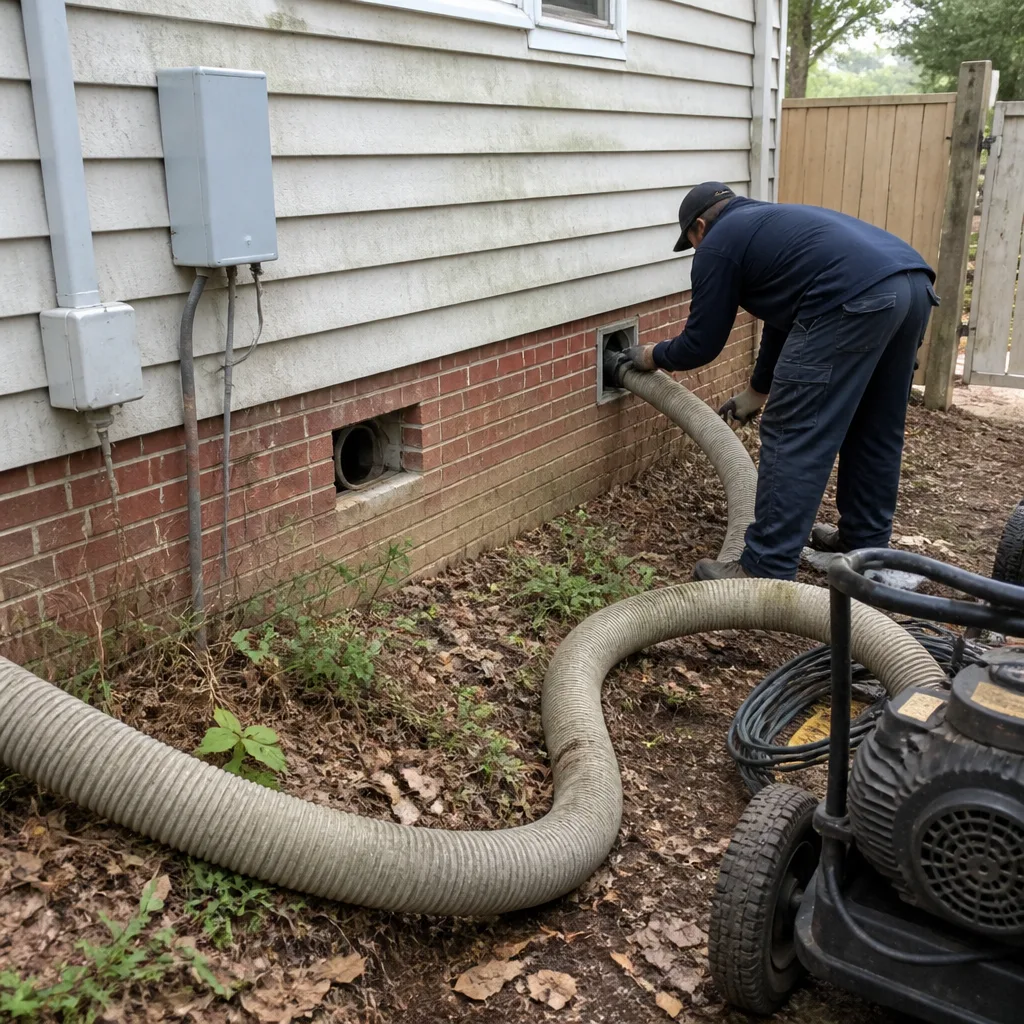 Before
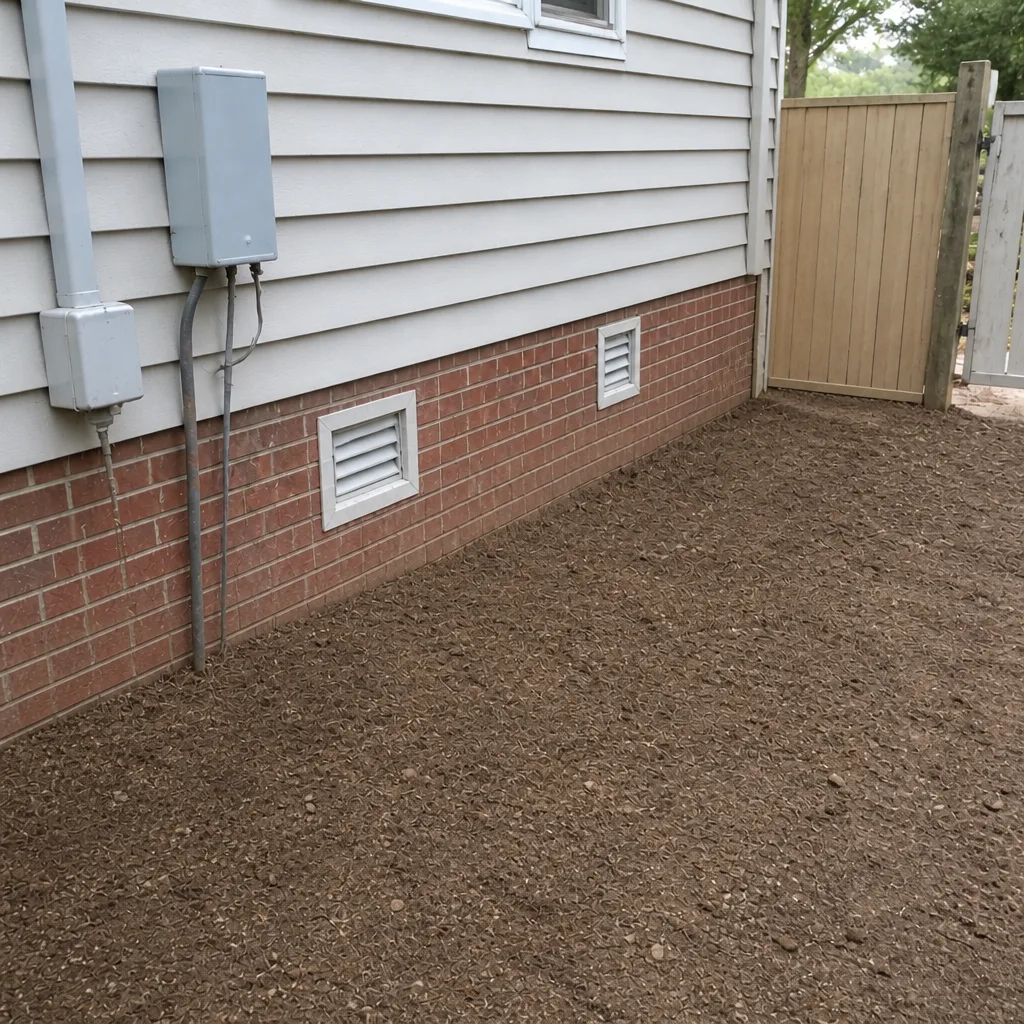 After
When to Call a Professional
Call a duct specialist when any of the following apply: the system was shut down after a water event and has not been inspected; you smell smoke in the return air more than a few days after a smoke event cleared; the roof or attic was damaged and duct runs were exposed; visible debris or growth has appeared at a register; a technician or remediation contractor has recommended duct cleaning or replacement; or you’re preparing an insurance claim and need a written assessment. If drying is still in progress, a duct inspection can be scheduled for after the remediation crew finishes.
Air Duct Cleaning Southeast Raleigh offers free estimates in Southeast Raleigh – call (866) 937-7160. We answer 24/7, and fast dispatch runs from 7am to 7pm, Sunday through Friday. We’re closed Saturday.
Frequently Asked Questions
Typical whole-system air duct cleaning in Southeast Raleigh runs in an estimated range that depends on the size of the system, the number of duct runs, and whether the ducts need sealing or sanitizing afterward. Post-flood and post-smoke jobs that require sanitizing or duct repair sit toward the upper end. We set one flat price per system after the written estimate, and we don’t quote per-vent prices. Call (866) 937-7160 for an exact quote – estimates are free.
No. Running the air handler after flooding pulls contaminated air from the crawlspace or attic through the duct system and into every room. Shut the system off at the thermostat and the breaker, and leave it off until a technician has inspected the ducts. If drying is needed, use standalone fans and open windows, and let a water remediation crew handle the structural drying.
Cheaper quotes usually mean consumer-grade equipment, a surface-only pass, or no containment during the cleaning. A shop vac doesn’t capture the fine particles it loosens, and without HEPA filtration those particles end up in your living room. We use Abatement Technologies negative-air and HEPA equipment on every job, and we quote one flat price per system after an inspection. If a quote is dramatically lower, ask what equipment will be used and whether the work is documented before and after.
Ask for before-and-after photos of your own ducts, taken during the job. A legitimate cleaning produces visible evidence of the change inside the system. At Air Duct Cleaning Southeast Raleigh, we take those photos as part of the job, and we use professional-grade equipment from Rotobrush and Nikro, not consumer tools. If a company can’t produce photos of your system, that’s a warning sign.
If you smell smoke at the return grille more than a few days after the smoke cleared, or if a white cloth wiped across a supply grille comes back dark, schedule an inspection. Standard cleaning intervals don’t apply after a smoke event. In Southeast Raleigh’s humid climate, smoke residue on damp duct surfaces can become sticky and trap dust, so the sooner it’s addressed, the less material needs to come out.
It depends on the material. Sealed metal ductwork with surface contamination can usually be cleaned and sealed. Flex duct that was submerged, duct board with visible growth, and duct runs that collapsed or came apart need replacement. A professional inspection with moisture readings is the only honest way to tell the difference. Call (866) 937-7160 and we’ll come look before recommending anything.
The Bottom Line
Duct system response belongs in your emergency plan, not on a list of things you’ll figure out later. The pattern that holds across floods, storms and smoke events in Southeast Raleigh is the same: shut the system off, document what you see, get an inspection before restart, and clean or replace based on what the ducts are actually made of and what they’ve been through. The judgment call between cleaning and replacement is the one worth paying for, and it’s the one that protects both your indoor air quality and your insurance claim. Keep the phone number close, take photos before anyone touches the system, and don’t let a fan run in a flooded house.
Call (866) 937-7160 for a free estimate. We answer 24/7, with fast dispatch from 7am to 7pm, Sunday through Friday. Closed Saturday.
Written by the team at Air Duct Cleaning Southeast Raleigh.