
Last updated November 23, 2026
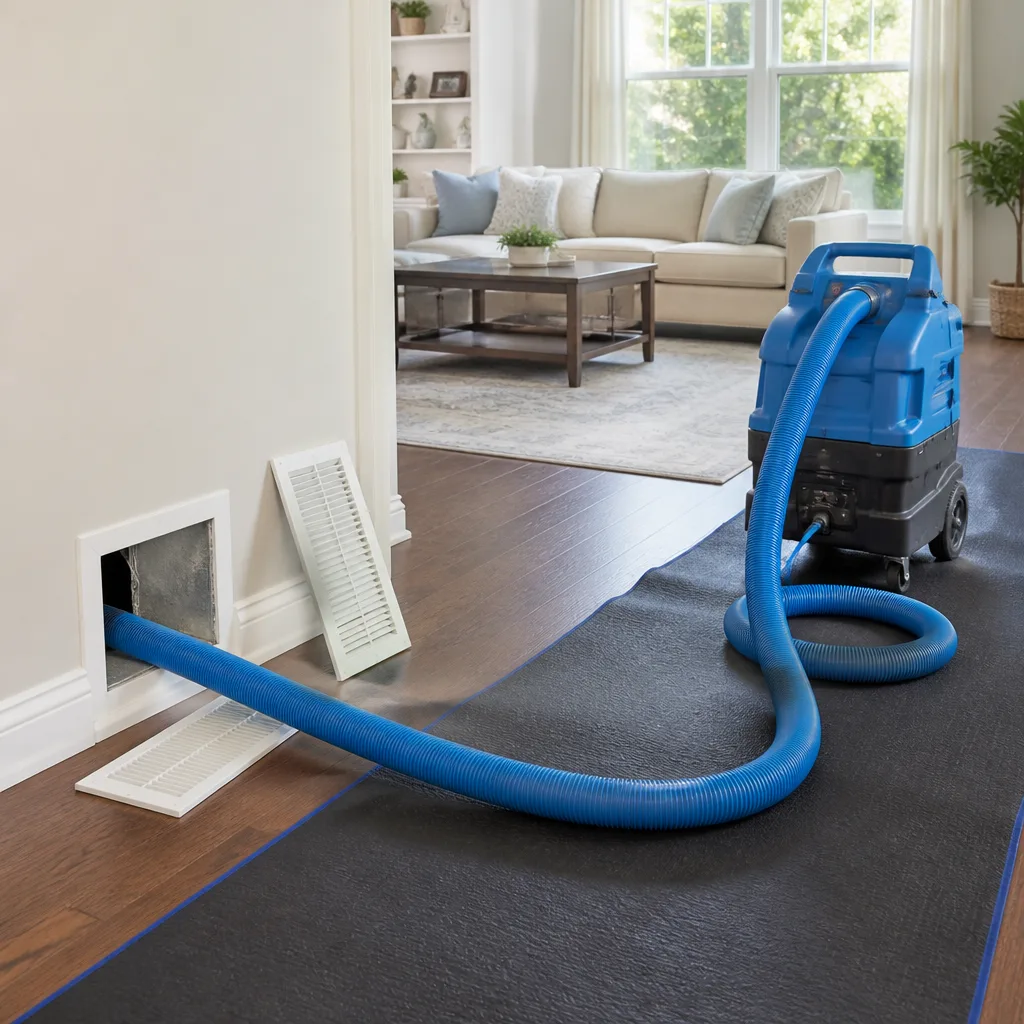 Whole-home duct cleaning
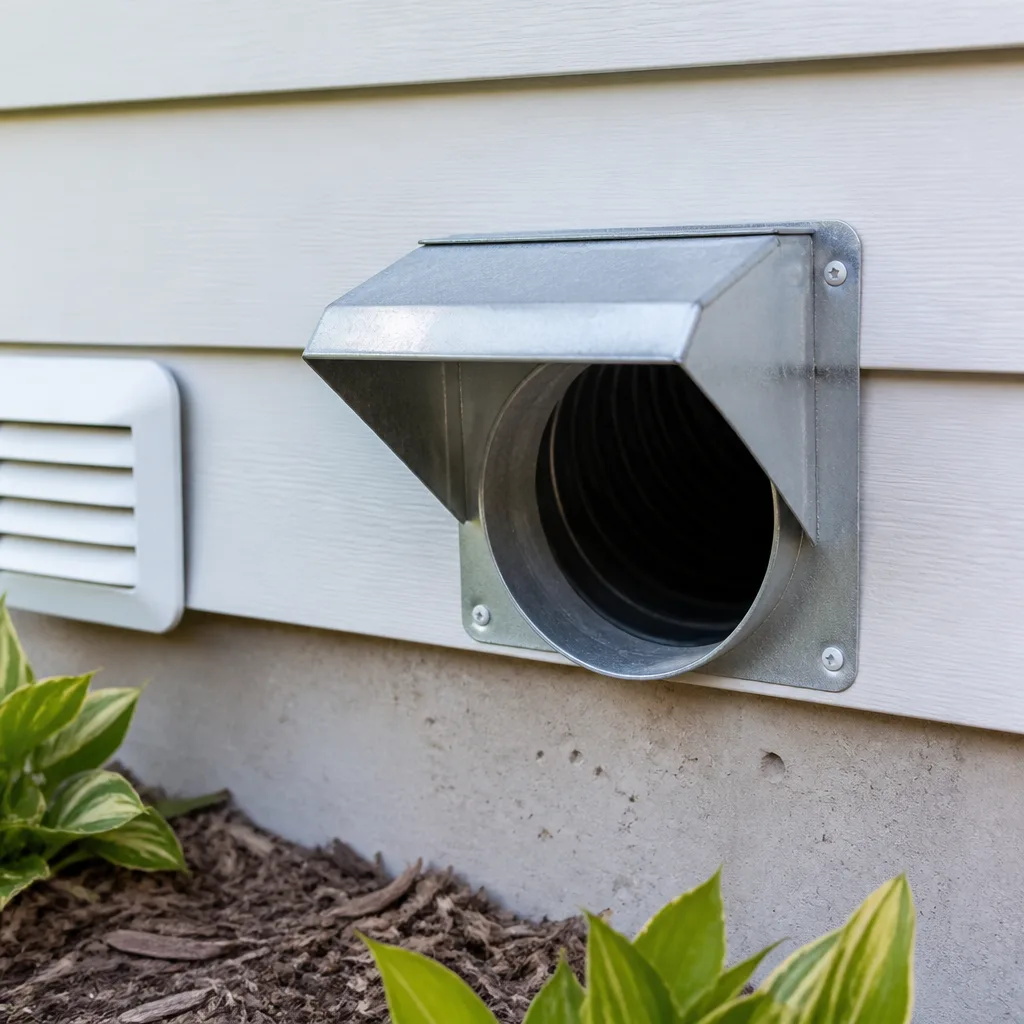 Dryer vent cleaning
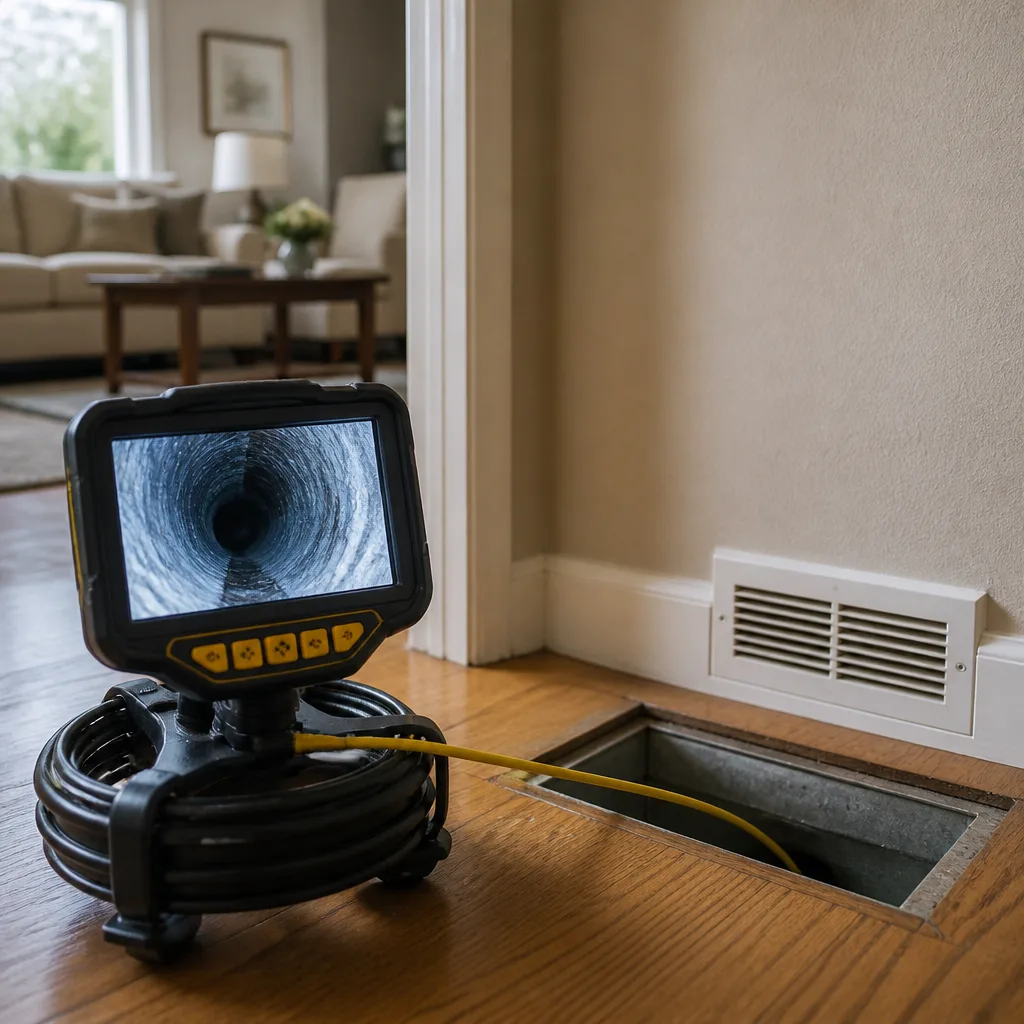 Camera inspection
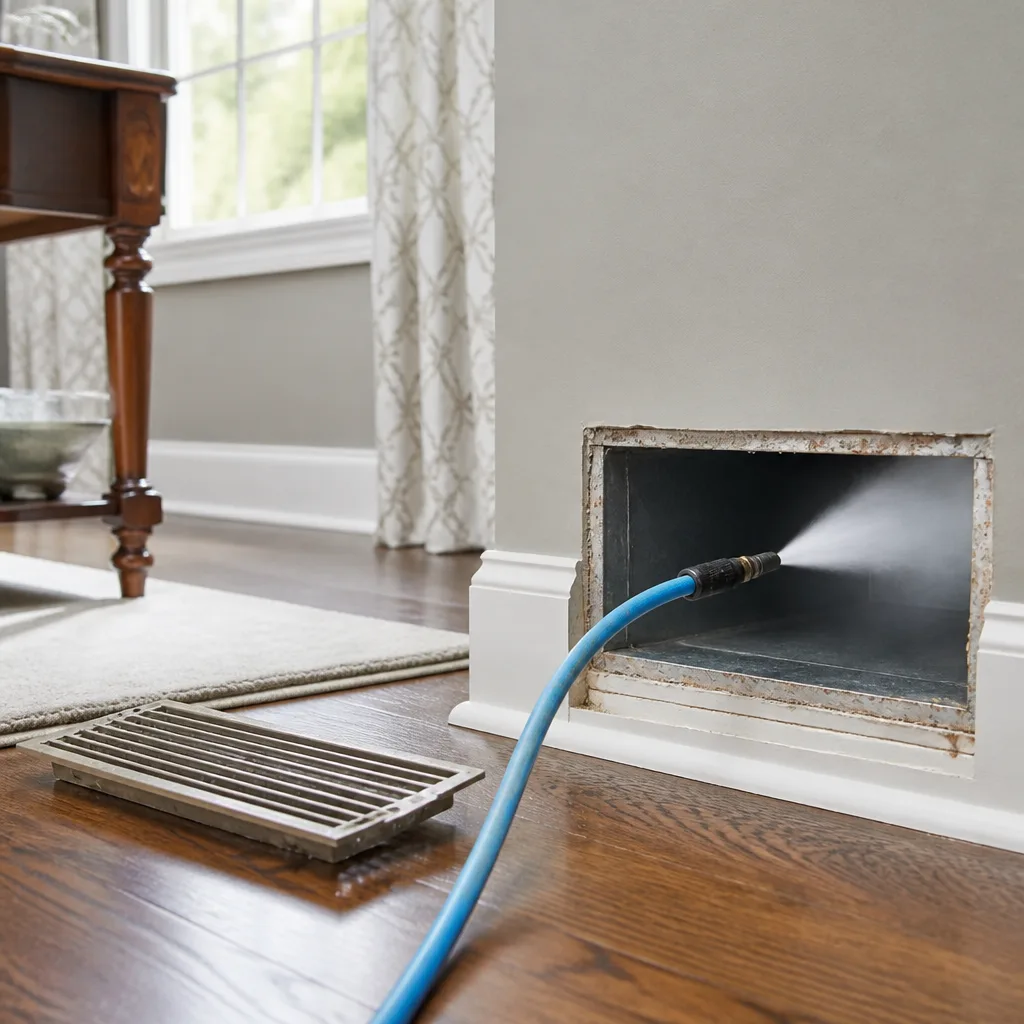 Sanitizing & deodorizing
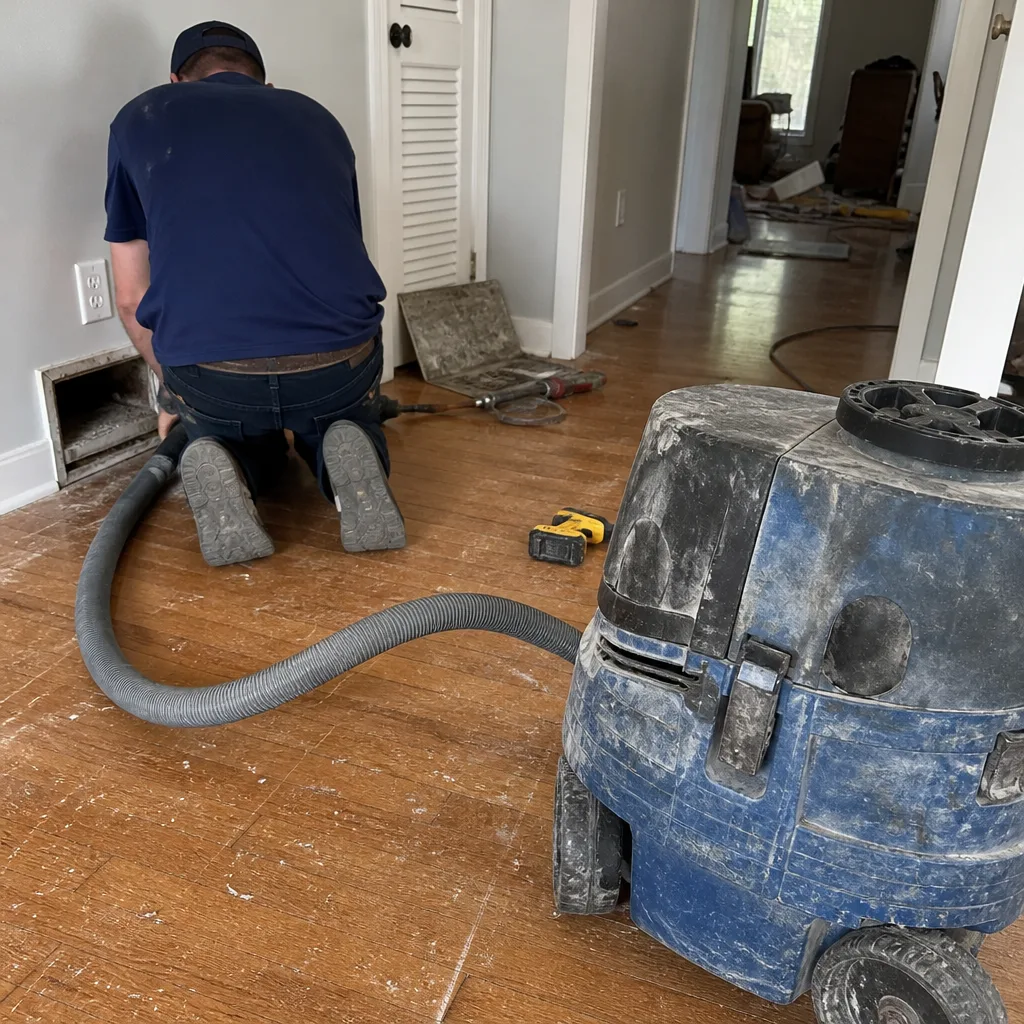
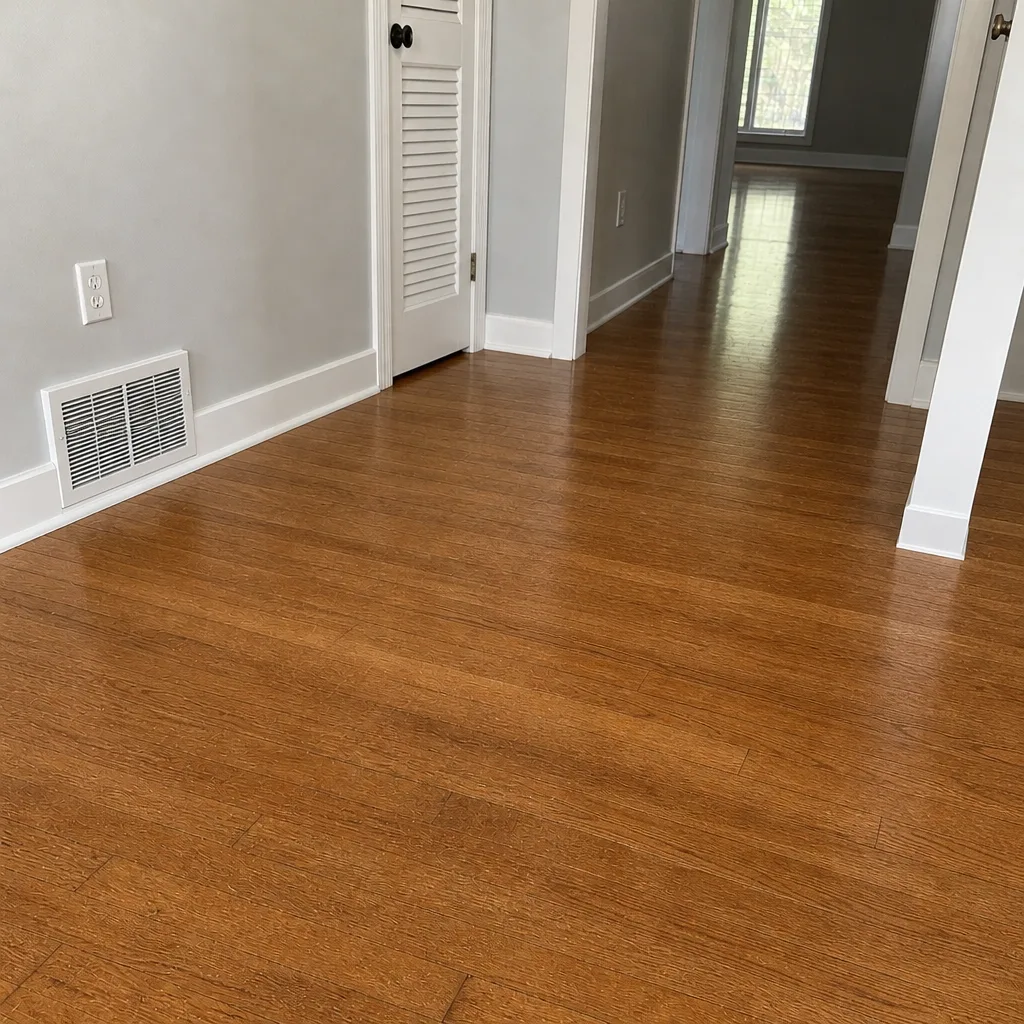
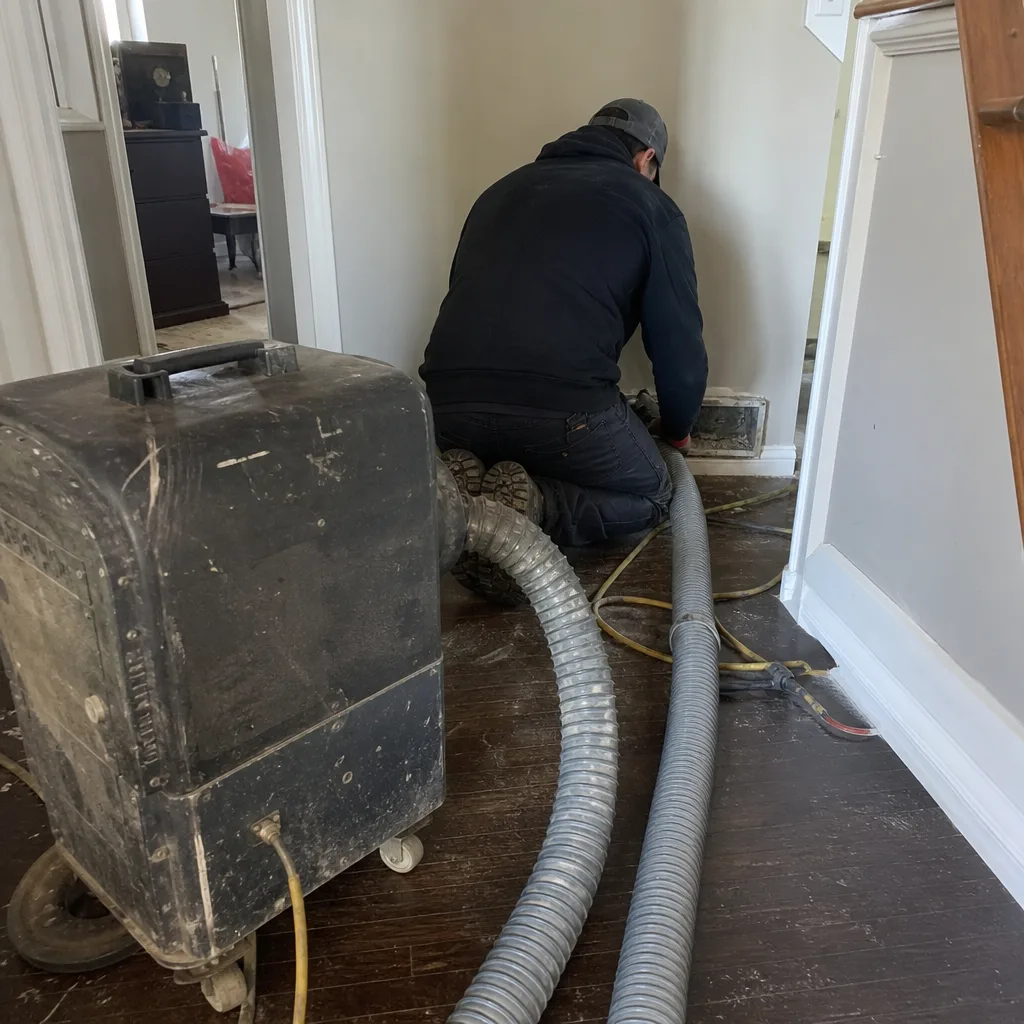
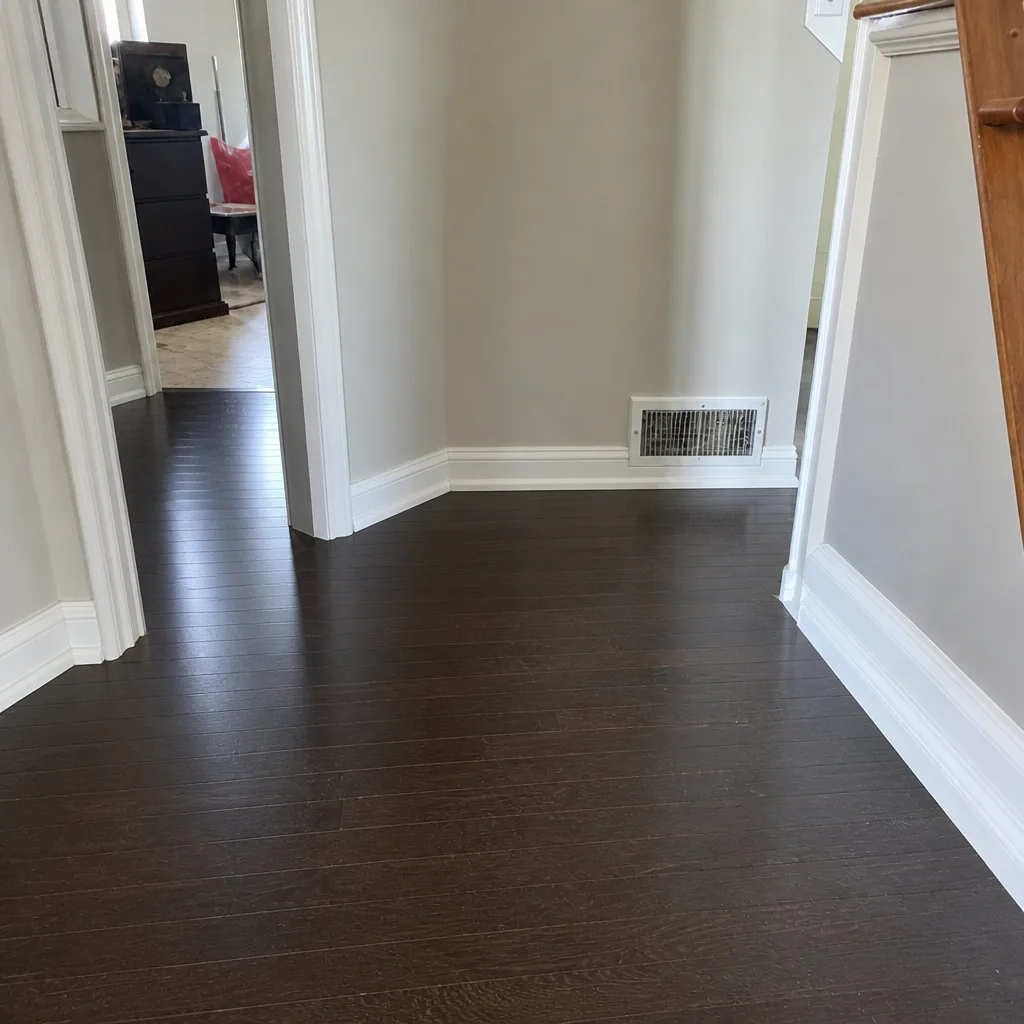
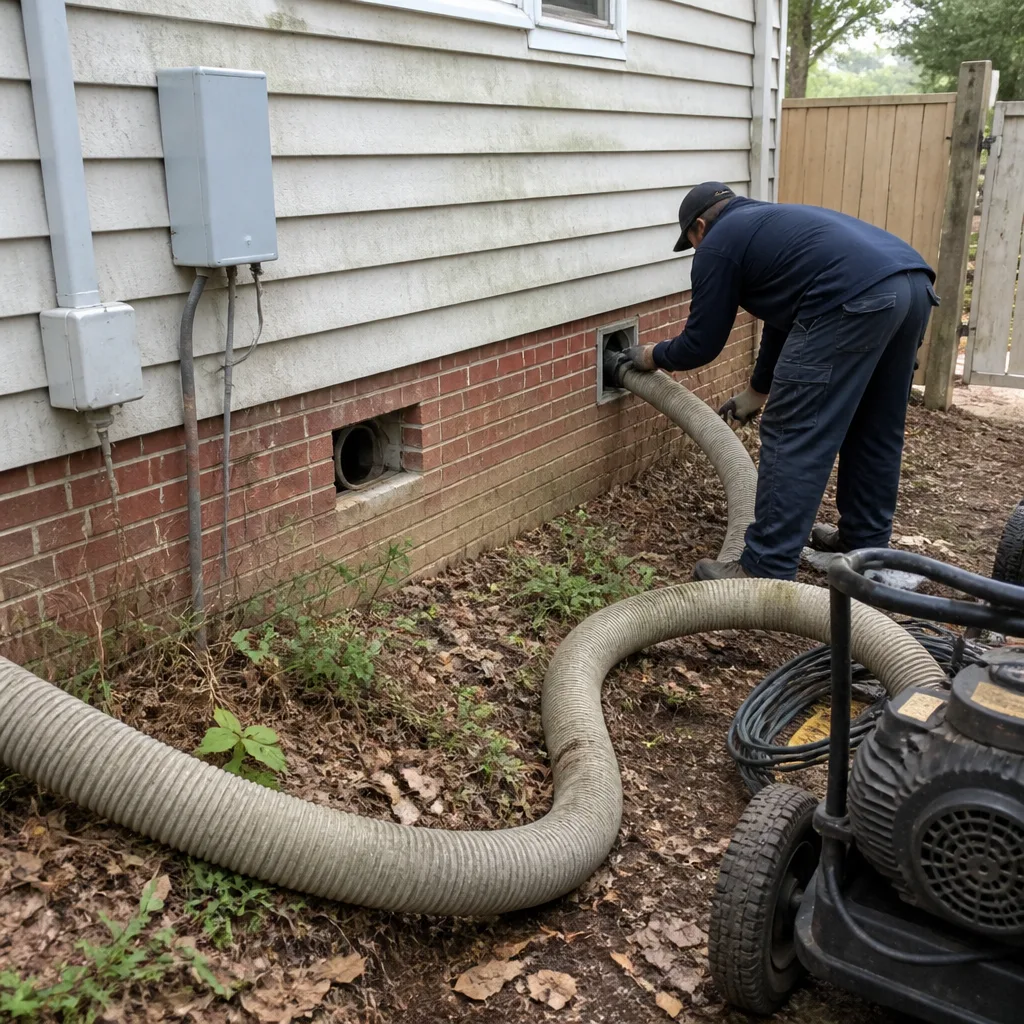
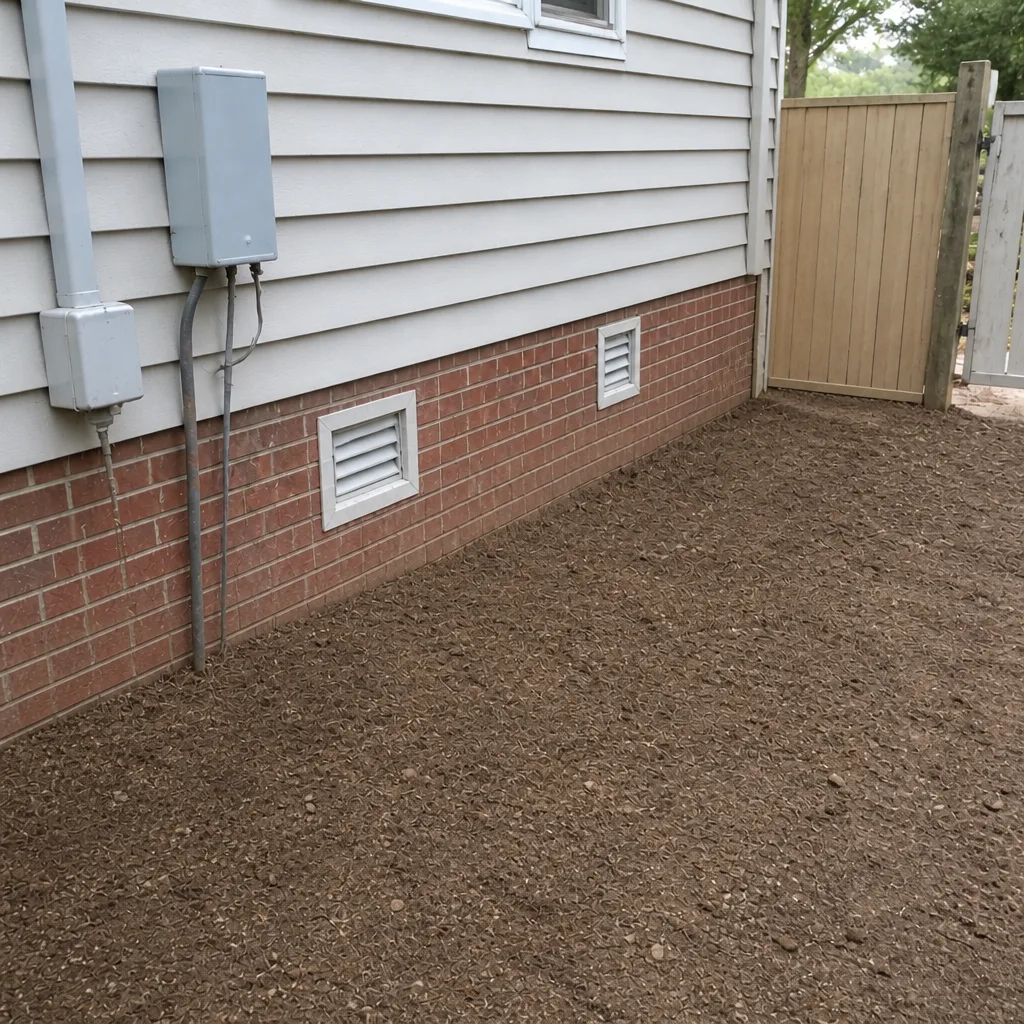
Whole-system duct and dryer vent check with before-and-after photos - you see exactly what came out of your vents
That "$99 whole-house special" is a bait ad - the real number appears once they are in your hallway, or the "clean" is a shop-vac at the register. We photograph the inside of your ducts before and after instead.
DIY vs Professional Air Duct Cleaning: The Southeast Raleigh Homeowner’s Decision Guide
Running a shop vac hose into a floor register does not clean a duct. It stirs up the dust that settled along the bottom of the run and blows a good portion of it back into the room before the vacuum can pull it in. That’s the misconception this guide sets out to correct: DIY duct cleaning looks like cleaning and often leaves the air worse for a few hours. We’re not going to tell you to always hire a professional. There are two situations where doing it yourself makes honest sense. What follows draws that line clearly, explains what separates real cleaning from surface agitation, and covers why Southeast Raleigh’s housing stock makes the DIY call trickier than it looks.
Styles & brands we work with
- Whole-home duct cleaning
- Dryer vent cleaning
- Camera inspection
- Sanitizing & deodorizing
Quick Answer
DIY air duct cleaning is only reasonable for spot-cleaning a single register after renovation dust or clearing a dryer vent’s exterior flap with a basic brush kit. Anything involving the full duct system needs negative-pressure containment and rotary agitation tools that consumer vacuums can’t replicate, and in Southeast Raleigh’s flex-duct-heavy homes, the wrong DIY approach can tear ductwork or redistribute contaminants into living space. For whole-system cleaning, professional equipment is the difference between removing debris and simply moving it around.
Table of Contents
- Where DIY Duct Cleaning Actually Works
- Why Negative-Pressure Containment Separates Real Cleaning From DIY
- How Southeast Raleigh’s Flex Duct Builds Make DIY Harder
- The Hidden Cost of Ineffective DIY Cleaning
- Two Hours With a Shop Vac vs. a Professional System: An Honest Comparison
- The Dryer Vent Exception
- How to Know When It’s Time for Professional Cleaning
- Common Mistakes to Avoid
- When to Call a Professional
- Frequently Asked Questions
- The Bottom Line
Where DIY Duct Cleaning Actually Works
We’ll start with the situations where you can reasonably skip the phone call. There are two, and both are narrow.
Scenario one: spot cleaning a single register after a renovation. If you pulled up carpet in one room, sanded drywall, or cut tile, drywall dust and fine grit settles into the register boot and the first few feet of the branch run. A shop vac with a crevice tool can pull the loose material out of the boot and off the visible surfaces of the duct opening. It won’t reach deep into the run, and that’s fine, because the dust load is concentrated at the opening. Vacuum the register face, the boot interior, and the first visible stretch of duct, then replace the filter. This is a fifteen-minute job and worth doing yourself.
Scenario two: clearing the dryer vent’s exterior cap. The flap on the outside of your house clogs with lint, and a stuck flap means restricted airflow and a longer dry cycle. A basic dryer vent brush kit, sold at any hardware store, lets you run a brush through the short exterior section and clear the flap. This is safe, effective, and genuinely reduces fire risk. It’s also the only part of dryer vent maintenance that’s DIY-appropriate. The full run from the dryer to the exterior wall is a different story and belongs in the professional column.
What both scenarios share: the work is confined to a short, accessible section of the system, and there’s no attempt to clean the full duct network or the air handler. Once you’re talking about cleaning the whole system, the math changes. The tools that make whole-system cleaning work aren’t available at a home improvement store, and the technique matters as much as the equipment.
For the full picture of what a professional visit covers, see our air duct cleaning Southeast Raleigh page.
Why Negative-Pressure Containment Separates Real Cleaning From DIY
Here’s the technical requirement that defines professional duct cleaning: the entire system has to be under negative pressure while the cleaning happens. That means air is being pulled out of the ducts and through a filtration unit, so any debris the cleaning tools dislodge gets captured rather than pushed into the rooms.
Consumer vacuums and shop vacs can’t do this. They have enough suction to pick up debris right at the nozzle, but they don’t create negative pressure across the whole duct network. The moment a rotary brush or air whip dislodges material deeper in a run, that material goes wherever the air currents carry it, and in a home with the HVAC running or with supply registers open, that’s into your living space.
Professional duct cleaning setups use two pieces of equipment working together:
- A high-powered vacuum unit, often truck-mounted or a large portable, connected to the main trunk to pull the whole system into negative pressure.
- An agitation tool, either a rotary brush system or a compressed-air whip, that breaks debris loose from duct walls so the vacuum can pull it out.
At Air Duct Cleaning Southeast Raleigh, we use Rotobrush and Nikro systems for agitation and cleaning, paired with Abatement Technologies negative-air and HEPA filtration equipment to contain what’s captured. That combination is what makes the difference: the agitation tools loosen debris, and the HEPA filtration captures it at the source instead of letting it settle back into the air. In our experience, this is the piece homeowners miss when they compare a DIY job to a professional one. The visible result looks similar from the outside, but the air quality outcome is completely different. Clean-looking registers don’t prove clean ducts, and a shop vac has no way to contain what it stirs up.
How Southeast Raleigh’s Flex Duct Builds Make DIY Harder
Much of Southeast Raleigh’s residential construction went up between the 1990s and 2010s, and that era relied heavily on flexible ductwork rather than rigid sheet metal. Flex duct is a corrugated plastic inner liner wrapped in insulation and a vapor barrier. It’s efficient to install and works well when it’s new. It’s also far less forgiving than sheet metal when someone runs a brush or vacuum hose through it.
The corrugation is the problem. The ridges along the inner liner trap dust and debris, and they also catch the bristles of a rotary brush. A homeowner feeding a brush into a flex duct can easily snag it, tear the inner liner, or pull the duct loose from its fitting at the boot or the trunk. A small tear in the inner liner becomes a leak, and a leak means conditioned air escaping into the attic or crawlspace while attic air gets pulled into your supply stream. That’s an air quality problem created by an attempt to fix one.
Older homes with rigid sheet metal ducts are more tolerant of amateur cleaning. Sheet metal is smooth, and a brush can pass through without catching. But even then, the negative-pressure problem remains: you still can’t capture what you dislodge.
Add Southeast Raleigh’s summer humidity to the equation. Ductwork in a vented crawlspace or attic here sees high moisture loads through July and August. Dust that stays damp in a flex duct run can support mold growth, and a DIY cleaning that disturbs that material without containing it spreads spores through the house. Moisture assessment has to come before any cleaning, and that’s a judgment call a homeowner isn’t equipped to make with a shop vac in hand.
The Hidden Cost of Ineffective DIY Cleaning
DIY looks cheaper on the day you do it. The costs show up over the following months, and they add up.
Filter replacement acceleration. When a DIY cleaning stirs up debris and pushes it into the return side of the system, the filter catches the load. A filter that normally lasts three months may clog in three weeks. That’s a small expense, but it repeats, and a clogged filter strains the blower and reduces airflow to every room in the house.
Repeat cleaning cycles. Because a shop vac can’t reach the full run and can’t contain what it loosens, you end up cleaning again. And again. Each pass removes a little at the surface and leaves the deeper accumulation in place. Three DIY sessions don’t equal one proper cleaning; they equal three partial cleanings plus the wear on your equipment and your patience.
Potential mold spread. If ducts have any moisture-related growth, a DIY cleaning does exactly the wrong thing: it disturbs mold colonies and disperses spores through the supply air, then leaves the moisture source in place. Professional cleaning includes a moisture assessment and, where needed, sanitizing with products compatible with systems like Honeywell and Aprilaire equipment. DIY can’t do either.
Duct damage repair. A torn flex duct liner or a disconnected fitting has to be repaired. That’s a job that costs more than the cleaning would have, and it can go unnoticed for months while your system loses efficiency.
When you add these up, the “cheap” DIY option often costs more than the professional cleaning would have. That’s not a sales pitch; it’s just the math of taking a shortcut through a technical job.
Two Hours With a Shop Vac vs. a Professional System: An Honest Comparison
We’ll lay out what each approach actually accomplishes, with no inflation on either side.
| Task | 2 hours with a shop vac | Professional system |
|---|---|---|
| Register and boot cleaning | Yes, all accessible registers reachable | Yes, all registers plus boots |
| Branch run cleaning | Partial; reaches only as far as the hose extends without snagging | Full length, via rotary brush or air whip |
| Main trunk cleaning | Not practical without disassembly | Yes, with negative pressure applied at the trunk |
| Containment of dislodged debris | None; debris redistributes into rooms | Captured by HEPA filtration |
| Air handler and coil cleaning | Not attempted | Yes, including blower and coil surfaces |
| Flex duct safety | High risk of tearing the liner | Rotary tools sized and controlled for flex duct |
| Moisture assessment | Not performed | Included before cleaning begins |
| Sanitizing | Not performed | Available, using Honeywell and Aprilaire-compatible products |
| Duct repair and sealing | Not performed | Available, addressing root-cause leaks |
| Documentation | None | Before-and-after photos provided |
Two hours of DIY effort makes a visible difference at the registers. It does not clean the system. A professional visit cleans the whole network, contains what’s removed, and gives you a record of what changed. If you’ve had a renovation or you’re moving into an older Southeast Raleigh home and want to know what’s actually in the ducts, the professional visit answers the question.
For what HVAC cleaning involves beyond the ducts themselves, see our HVAC cleaning page.
The Dryer Vent Exception
Dryer vent cleaning deserves its own section because the risk profile is different from duct cleaning. A clogged dryer vent is a fire risk, not just an efficiency problem. Lint accumulates in the run and can ignite from the heat of the dryer, and restricted airflow makes the dryer run hotter and longer. This is the one part of the forced-air system where clearing the vent matters enough that you should not put it off.
The exterior cap and the first few feet are DIY-appropriate. The full run is not, for two reasons:
- You can’t see what you’re doing. The run is hidden inside walls and floors, and a brush kit alone doesn’t tell you whether the whole run is clear or just the part you reached.
- You can damage the run. Flexible dryer vent material tears, and a torn vent leaks lint into wall cavities, which is worse than a clogged one. A professional uses a rotary brush sized for the vent and confirms that the full run is clear.
Dryer vent cleaning is a dedicated service at Air Duct Cleaning Southeast Raleigh, and it’s one many duct cleaners either overlook or hand off to someone else. If your last load of laundry took longer than usual, or the exterior flap isn’t opening fully when the dryer runs, that’s the signal to get it cleared. Our dryer vent cleaning page covers what the service includes. Doing it yourself is safe for the exterior portion, but the full run needs professional attention.
How to Know When It’s Time for Professional Cleaning
Most homeowners wait too long because duct cleaning is invisible work. Here’s what to watch for, in the order we usually hear about it.
- Visible dust blowing from registers when the system starts. If dust puffs out of a supply register when the HVAC kicks on, debris has accumulated in the run and is being pushed into the room.
- A musty or dusty smell when the HVAC runs. Odor that appears only when the system is on points to the ducts or air handler, not the room.
- Recent renovation, roof work, or pest activity. Drywall dust, insulation fibers, and rodent activity all leave material in the ducts that needs to be removed, not stirred.
- Allergy symptoms that worsen indoors. If symptoms track with time spent in the house rather than the season, the supply air is worth examining.
- A new-to-you home with unknown duct history. In Southeast Raleigh’s older neighborhoods, a first-time cleaning is worth doing to establish a baseline, especially in a home that’s changed hands.
- Filters clogging faster than usual. A filter that loads up in weeks rather than months means there’s more debris in the system than the filter is sized for.
Our team has up to 13 years of experience, and the pattern we see most often is a homeowner who tried a shop vac, wasn’t satisfied, and called us six months later. The earlier call would have saved the effort.
Common Mistakes to Avoid
- Running a shop vac hose into a flex duct. The corrugated liner catches bristles and tears easily. In Southeast Raleigh’s 1990s-to-2010s flex duct homes, this is the most common DIY damage we see.
- Cleaning with the HVAC running. Airflow pushes dislodged debris through the system and into rooms. The system should be off during any duct work, DIY or professional.
- Assuming the registers are the whole story. Registers are the visible end of the system; the trunk, branches, and air handler hold most of the accumulation.
- Skipping moisture assessment before cleaning. In Southeast Raleigh’s humid summers, ducts can hold moisture that supports mold growth. Cleaning without checking spreads spores.
- Using a leaf blower or compressed air to “blow out” ducts. This aggressively redistributes debris into living space and can damage duct fittings.
- Clearing the dryer vent flap and assuming the run is clean. The exterior flap is the visible end; lint accumulates through the whole run.
- Choosing a quote on price alone. A quote that’s dramatically lower than others often means no negative-pressure equipment and no containment. That’s not cheaper cleaning; it’s a different job.
When to Call a Professional
Call a professional when the work involves the whole system, when there’s visible debris or odor coming from the return, after a renovation or pest problem, when a home is new to you and its duct history is unknown, when anyone in the home has respiratory sensitivity, or when you’ve tried a DIY pass and the problem came back. Air Duct Cleaning Southeast Raleigh offers free estimates in Southeast Raleigh – call (866) 937-7160. We’ll tell you honestly whether the job needs professional equipment or whether a spot clean is enough. The estimate is free, one flat price per system is agreed before work starts, and we provide before-and-after photos so you can see what changed.
Frequently Asked Questions
DIY is reasonable in two cases: spot cleaning a single register after renovation dust, and clearing the dryer vent’s exterior cap with a basic brush kit. Anything involving the full duct system, the air handler, or a suspected moisture problem needs professional equipment, especially in Southeast Raleigh’s flex-duct-heavy homes. Call (866) 937-7160 for an exact quote – estimates are free.
Cheap quotes usually mean the company isn’t using negative-pressure containment or HEPA filtration – which means they can’t capture what they dislodge. That’s a different job, not a cheaper version of the same one. Ask what equipment the company uses. Rotobrush, Nikro, and Abatement Technologies are the names to listen for. If the answer is a shop vac, you’re paying for agitation, not cleaning. Call (866) 937-7160 for an exact quote – estimates are free.
Ask for before-and-after photos of your own ducts, not stock images. A company using proper equipment can show you what the inside of the run looked like before and after, and can tell you what was found. At Air Duct Cleaning Southeast Raleigh, before-and-after photos are part of every job. Call (866) 937-7160 for an exact quote – estimates are free.
Most homes need it every three to five years, not annually. The exceptions are homes with pets, recent renovations, pest activity, or moisture problems, where a shorter interval makes sense. In Southeast Raleigh’s humid summers, homes in crawlspace construction tend to need attention sooner than those on slab. Call (866) 937-7160 for an exact quote – estimates are free.
Yes, in the short term. A shop vac agitates debris and pushes it into living space air before it can be captured. If the ducts have any moisture-related growth, spreading spores is a real risk. This is why negative-pressure containment is the technical line between cleaning and redistributing. Call (866) 937-7160 for an exact quote – estimates are free.
Yes. Duct repair and sealing are core services alongside cleaning. If we find a torn flex duct liner, a disconnected fitting, or a run leaking at a boot, we can address it in the same visit rather than treating only the symptom. That’s part of what full-system capability means. For the full service lineup, start with our air duct cleaning page. Call (866) 937-7160 for an exact quote – estimates are free.
The Bottom Line
DIY air duct cleaning is a real option in two narrow cases: spot cleaning a register after renovation dust, and clearing a dryer vent’s exterior cap. Beyond that, the technical requirement is negative-pressure containment, and that’s not something a shop vac can deliver. In Southeast Raleigh’s flex-duct-heavy homes, a DIY attempt can tear a liner or push contaminants into living space. The honest comparison is this: two hours of DIY makes a visible difference at the registers; a professional visit cleans the whole system and gives you documentation. Our technicians have up to 13 years of experience, and we’ll tell you plainly which category your home falls into.
Call (866) 937-7160 for a free estimate. We answer 24/7. Fast dispatch from 7am to 7pm, Sunday through Friday. The estimate is free, one flat price per system is agreed before work starts, and you get before-and-after photos of your own ducts.
Written by the team at Air Duct Cleaning Southeast Raleigh.
See the difference
 Before
 After
 Before
 After
 Before
 After