
Last updated November 23, 2026
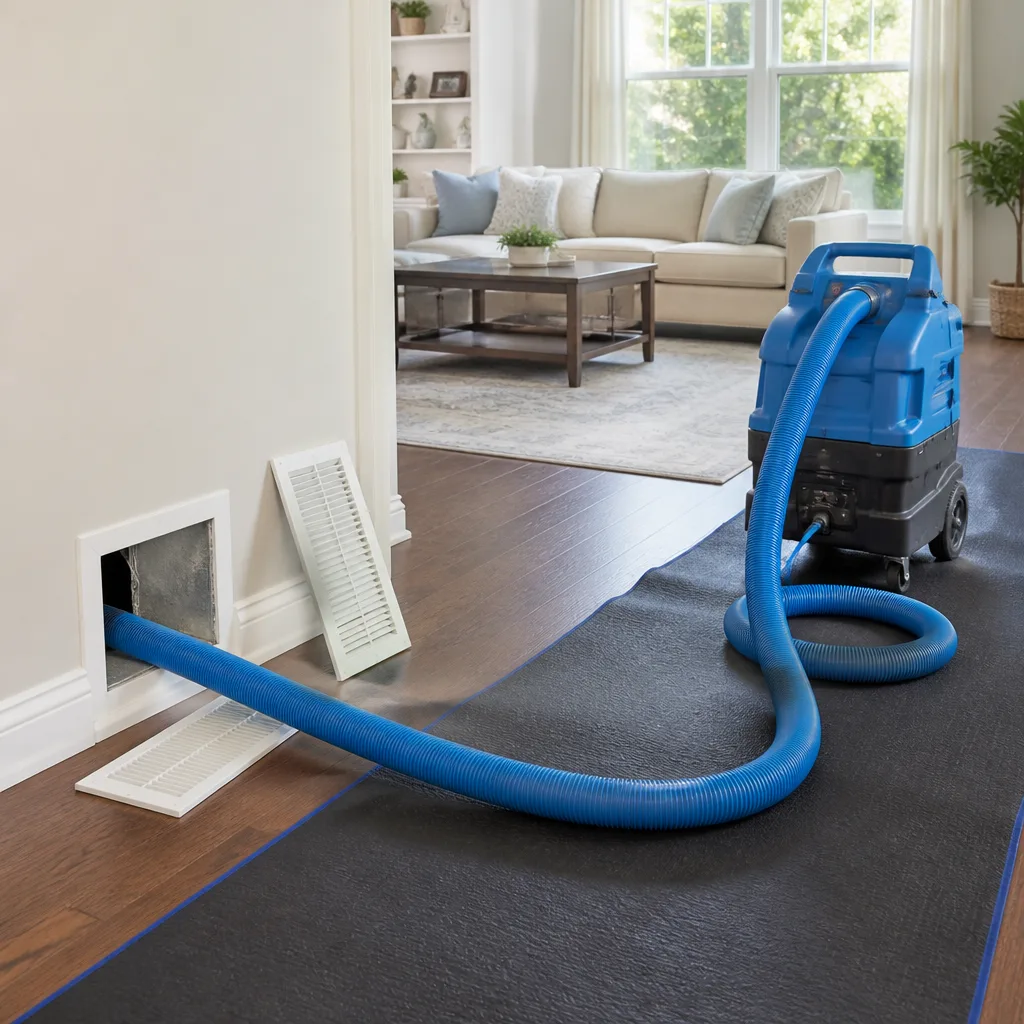 Whole-home duct cleaning
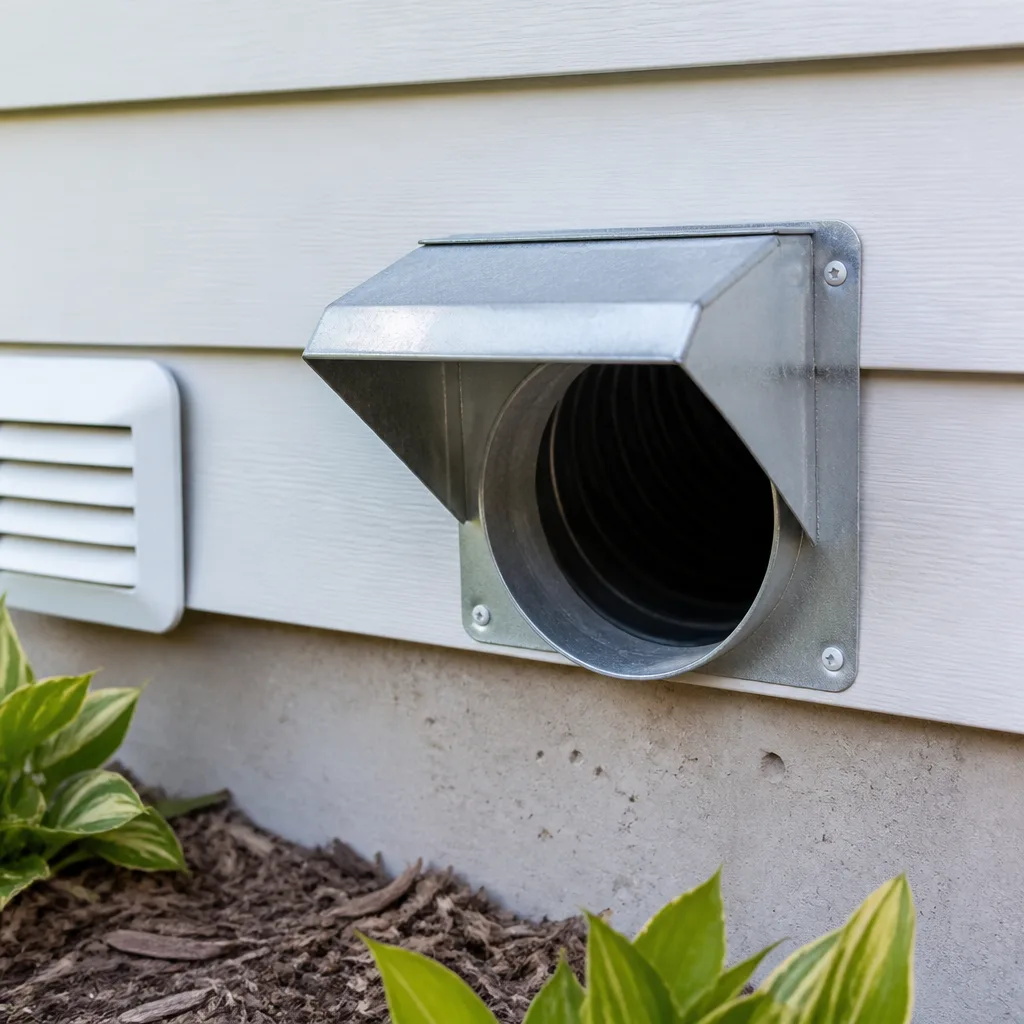 Dryer vent cleaning
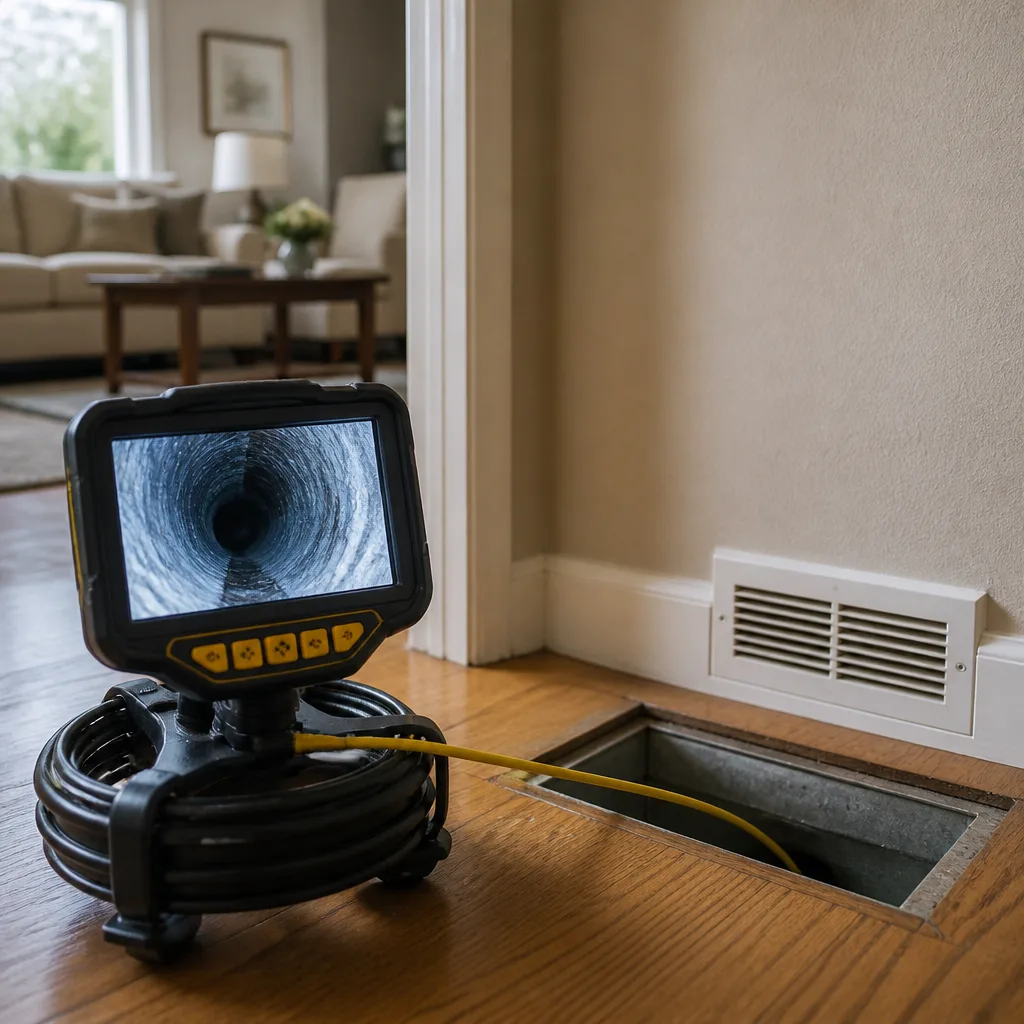 Camera inspection
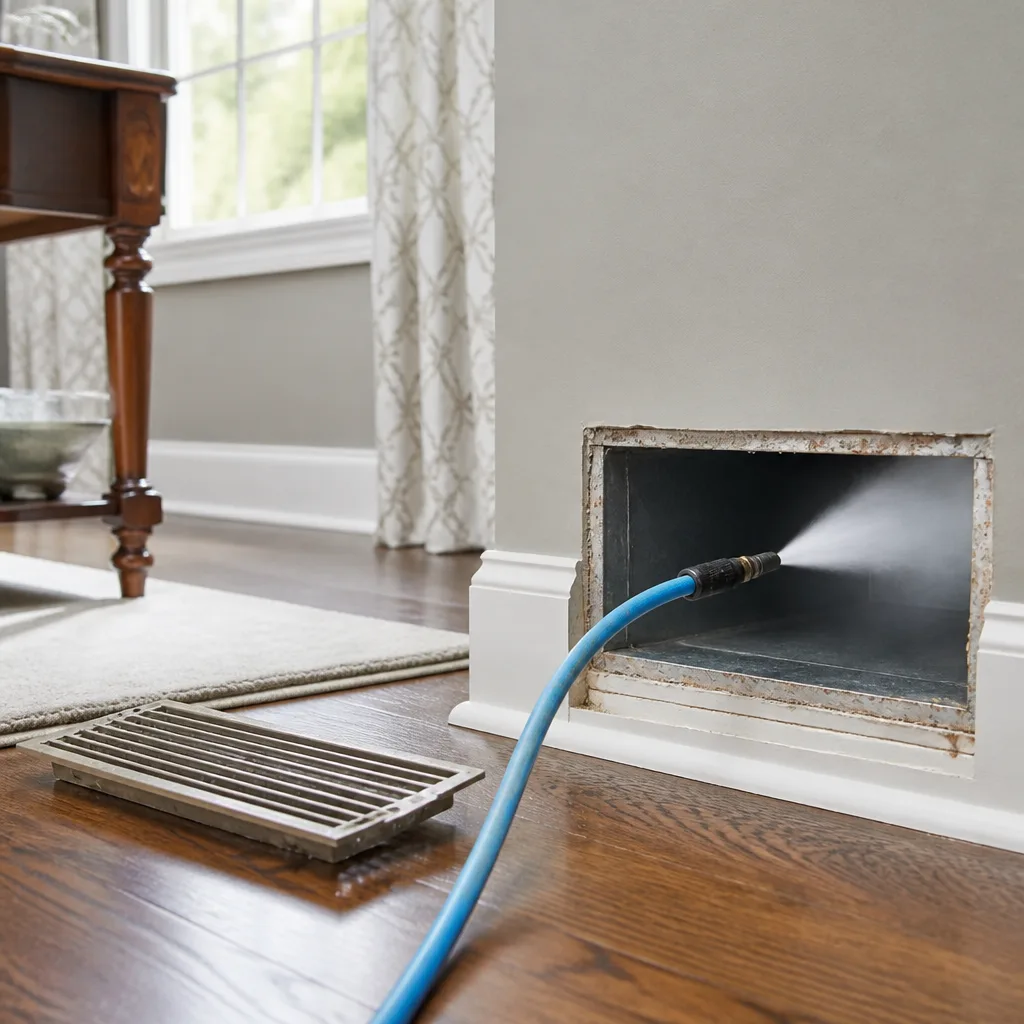 Sanitizing & deodorizing
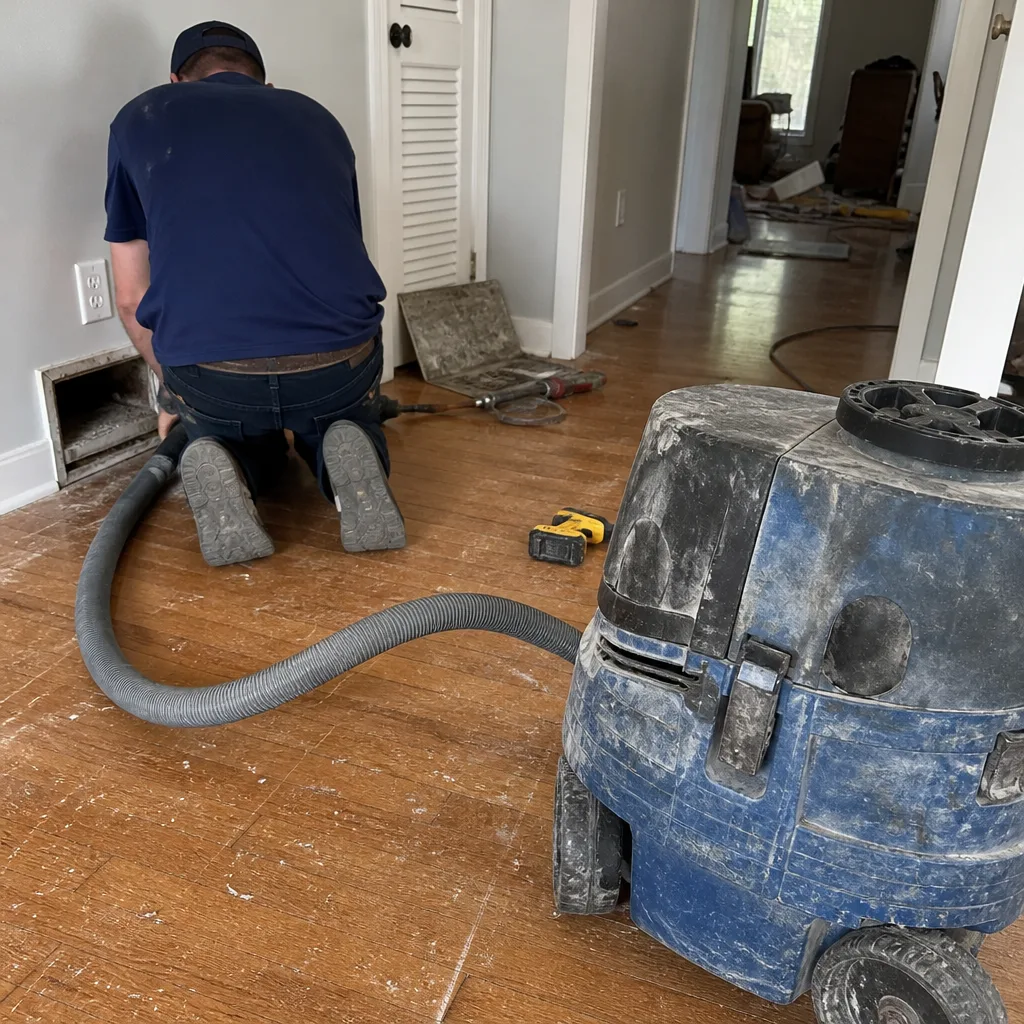
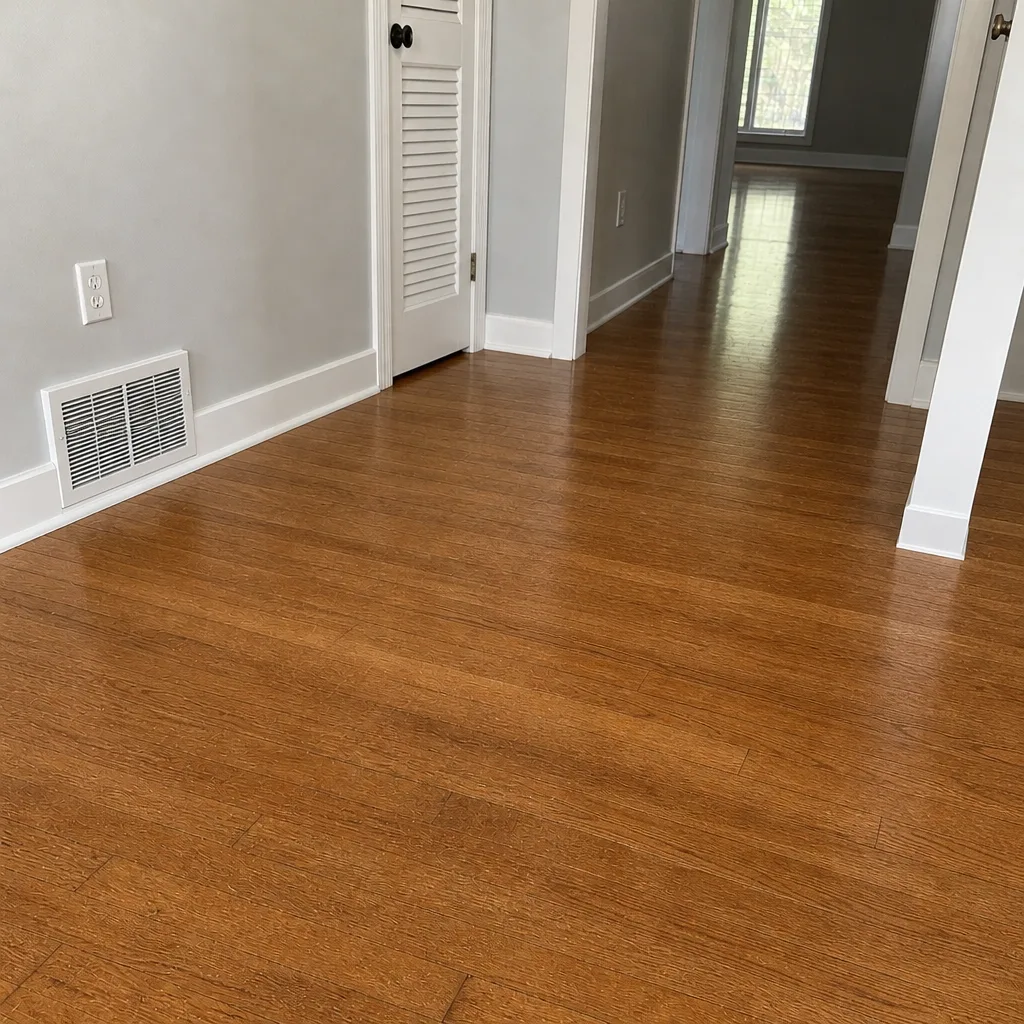
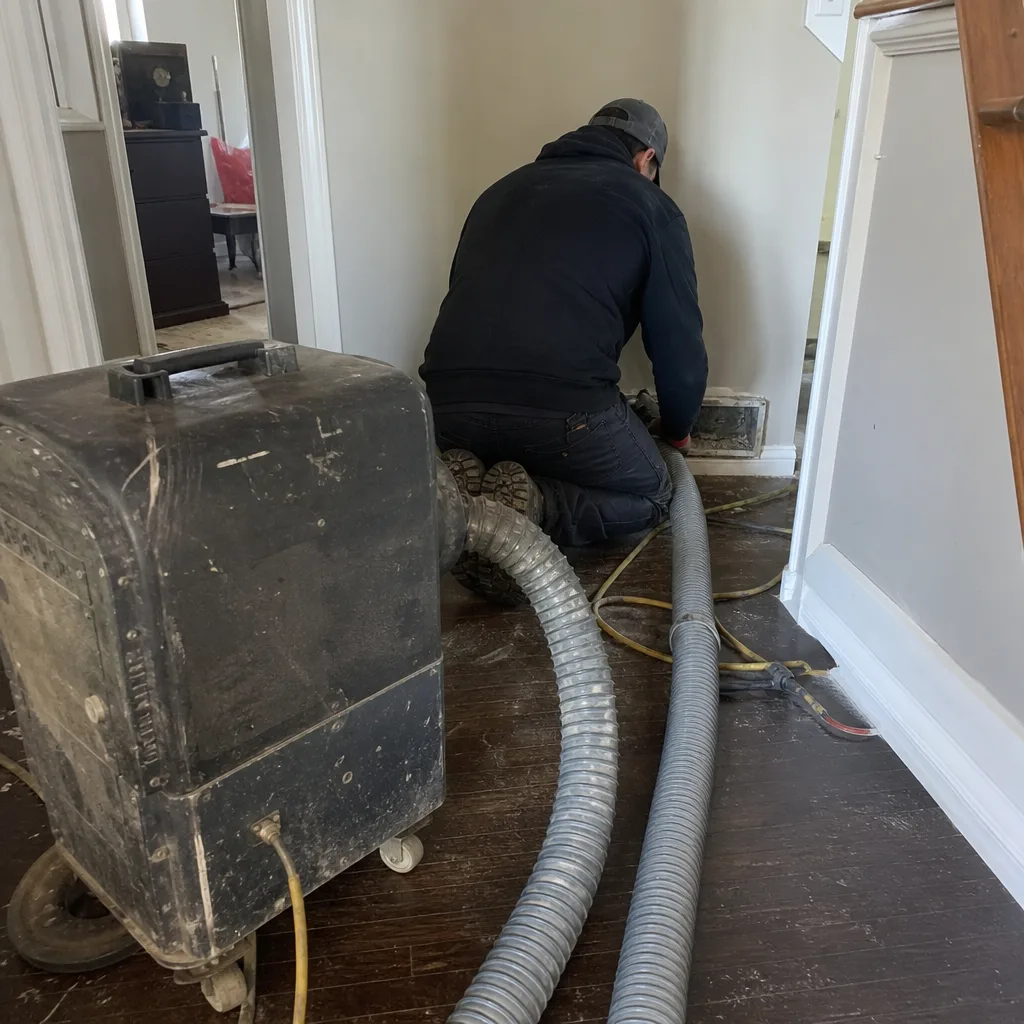
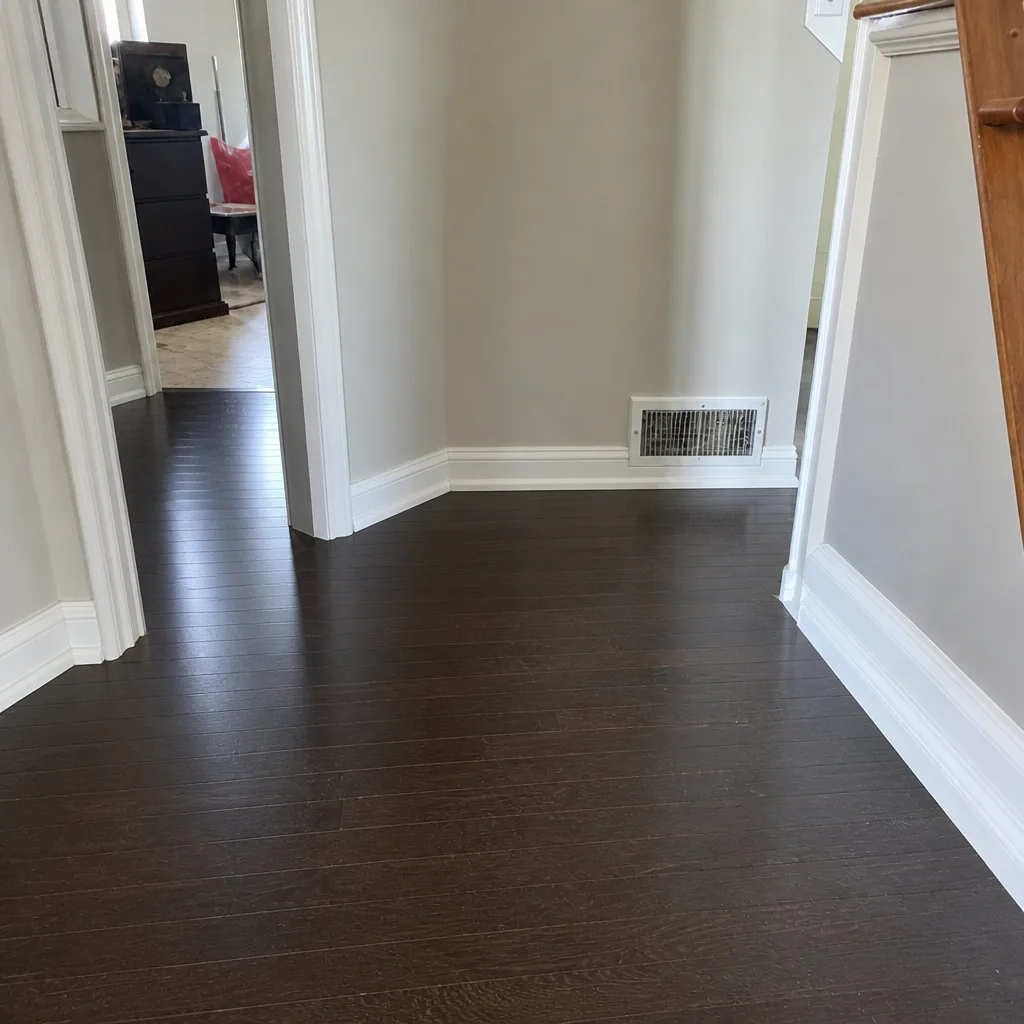
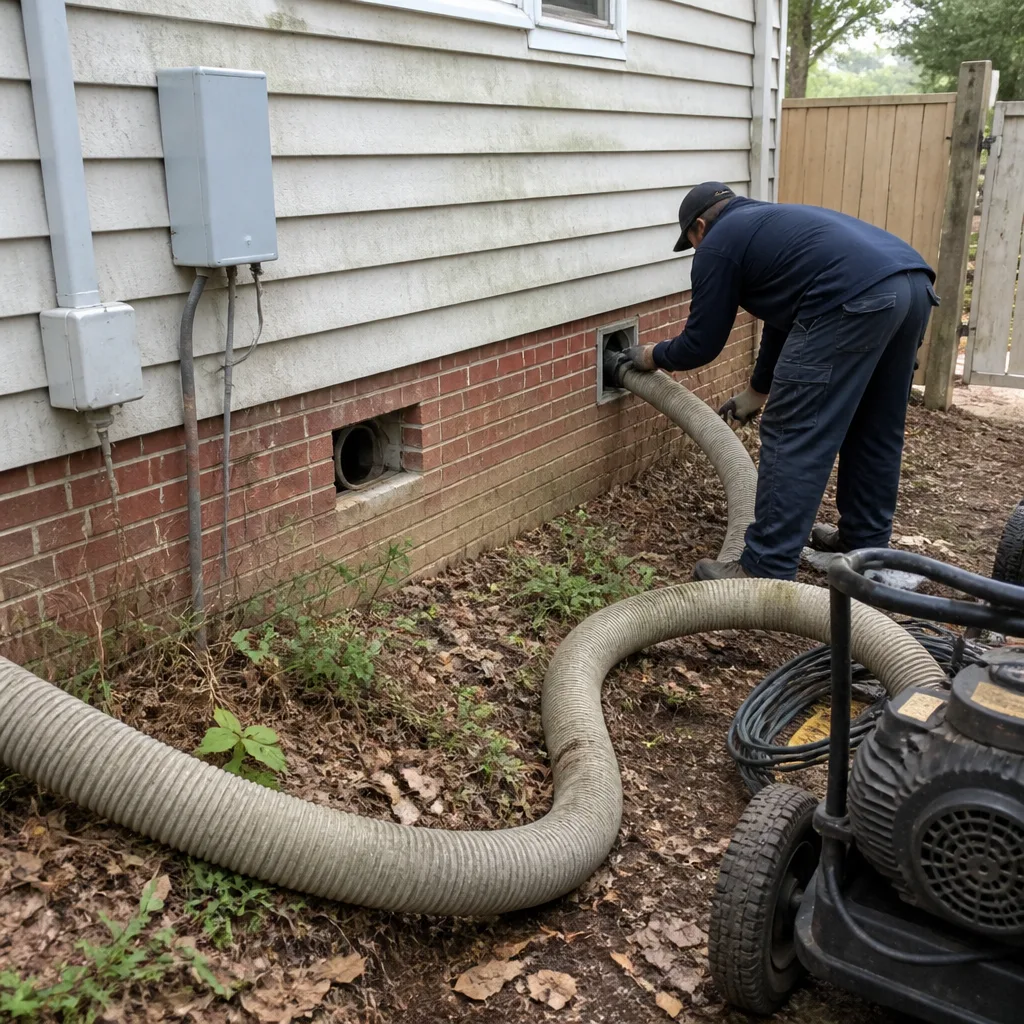
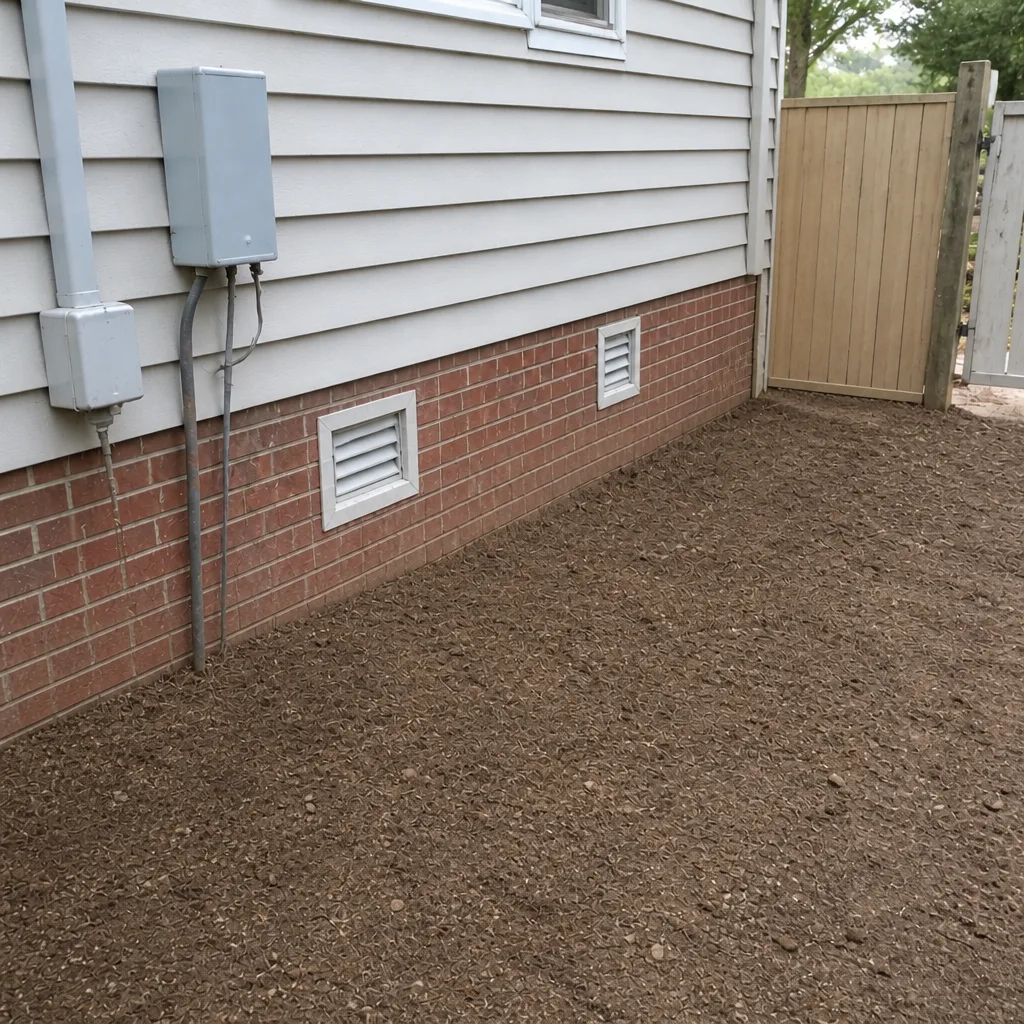
Whole-system duct and dryer vent check with before-and-after photos - you see exactly what came out of your vents
That "$99 whole-house special" is a bait ad - the real number appears once they are in your hallway, or the "clean" is a shop-vac at the register. We photograph the inside of your ducts before and after instead.
Seasonal Air Duct Cleaning Care for Southeast Raleigh: Year-Round Homeowner’s Guide
Most homeowners treat duct cleaning as a one-time event, something you do when the system starts smelling off or a technician mentions it during a tune-up. That approach misses something important. In Southeast Raleigh, your forced-air system doesn’t face one kind of stress per year. It faces four, and each one hits differently. Spring buries return vents in tree pollen. Summer loads the air with humidity. Fall reactivates months of settled dust the moment the heat comes on. Winter pushes the clothes dryer harder than at any other time. This guide breaks down what actually happens inside your ducts in each Southeast Raleigh season, what to watch for, and how to build a care calendar around this climate rather than a generic national schedule.
Quick Answer
Seasonal duct care in Southeast Raleigh works best on a four-part cycle: a full cleaning after spring pollen season (late April to early June), a sealing and insulation check before peak summer humidity, a system review before the first heating cycle in fall, and a dryer vent clearing heading into winter. Homes with allergies, pets, or recent renovations often need the cleaning stage twice. The key is timing cleaning and inspection to the seasons that actually stress the system, not to a fixed annual reminder.
Styles & brands we work with
- Whole-home duct cleaning
- Dryer vent cleaning
- Camera inspection
- Sanitizing & deodorizing
Table of Contents
- Why Southeast Raleigh Air Ducts Need Seasonal, Not Episodic, Care
- Spring in Southeast Raleigh: Pollen Season and the Case for Post-Pollen Cleaning
- Summer: Humidity, Condensation, and the Mold Risk Nobody Sees
- Fall: When the First Week of Heat Releases the Worst Air of the Year
- Winter: Why Dryer Vents Become the Bigger Risk
- Building Your Southeast Raleigh Seasonal Calendar
- Filters, Return Plenums, and the Leaks That Bypass Both
- What a Seasonally Timed Cleaning Actually Involves
Why Southeast Raleigh Air Ducts Need Seasonal, Not Episodic, Care
A duct system is a container. Whatever the blower pulls in through the return, filters, and any gaps in the assembly ends up inside it, and it stays there until something moves it. In a mild climate, that container might fill slowly. Southeast Raleigh isn’t mild in any single season. It’s a place with a heavy spring pollen load, a humid subtropical summer, a fall that dumps leaf litter and dust into every open window, and a winter cold enough to run the heat hard for weeks at a time.
That pattern means the contamination load inside a Southeast Raleigh home’s ducts changes shape several times a year. The mix sitting in November isn’t the mix that was sitting in June. Treating the system episodically, when something goes visibly wrong, means you’re always responding to the previous season’s buildup rather than the current one.
We’ve seen this play out across the neighborhoods we work in, from the older mill houses around Kingwood to newer construction off Battle Bridge Road. The homes that stay comfortable and low-odor through a full year are the ones where the duct work is being read against the calendar, not against a yearly reminder card.
Seasonal care isn’t a sales structure. It’s a diagnostic one. It gives you a frame for asking the right question at the right time: what is my system doing this month, and what is it about to do next?
Spring in Southeast Raleigh: Pollen Season and the Case for Post-Pollen Cleaning
The advice that surprises most homeowners we talk to is this: don’t clean your ducts during peak pollen season. Wait until it’s over. A cleaning in early April is a cleaning done too soon. The tree pollen that dominates Raleigh’s spring landscape is still falling, and it will keep coming through open windows and doorways, past every filter, and into the same system you just had cleaned. The payoff comes when you clean after the pollen has finished falling, when the season load is at its peak and no more is on the way.
What the pollen does inside the system
Most people picture pollen as something that lands on cars and porch furniture. That’s the visible part. The part that matters for the system is the fine fraction that rides the return air. It moves through the blower, bends through the supply trunk, and settles along the walls of the duct runs. Unlike visible dust, pollen is sticky enough to coat duct interiors and light enough to re-suspend every time the blower starts. It’s the main reason some homes report no relief from allergy symptoms even after installing high-MERV filters.
Why leaky return plenums defeat the filter entirely
A filter is only as good as the duct assembly around it. In many Southeast Raleigh homes, especially older ones (and plenty of newer construction too), the return plenum has gaps where it meets the air handler. Filtered air can bypass the filter at those gaps. So you can swap filters every month and still have a pollen-laden duct system, because a good portion of the incoming air never touched the filter. This is why we often pair a full air duct cleaning Southeast Raleigh visit with a sealing inspection. The cleaning removes the load. The sealing prevents it from returning.
Spring action list
- Hold off on a full cleaning until pollen season winds down in late April to early June.
- Run the system with a mid-grade filter and change it every 30 days through the pollen window.
- Have the return plenum and air-handler connection inspected for gaps before or during the cleaning visit.
- Seal any bypass gaps with proper duct mastic, not tape, and re-check filter performance afterward.
Summer: Humidity, Condensation, and the Mold Risk Nobody Sees
Summer doesn’t attack ducts the way spring does. It works quietly and slowly, and the damage it does is the kind you can’t see and don’t smell until it’s well established. Southeast Raleigh’s summers are humid. That humidity is fine in a well-sealed, well-insulated forced-air system. It’s a problem in one that isn’t.
Where mold actually starts
Mold needs three things: moisture, organic dust, and a surface to grow on. A duct system has all three ready to go the moment condensation forms. Condensation happens when cool supply air meets a warm, humid surface. The most common culprit is the run of flexible ductwork strung through an attic or crawlspace, where temperatures routinely exceed the indoor set point and the relative humidity is high. If the duct’s insulation is compromised, thin, or missing over part of the run, the exterior can sweat. That moisture then sits against dust that has already collected on the duct surface, and mold growth gets its foothold.
This is a system design problem, not just a cleaning problem
One of the things we emphasize with any homeowner who reports a musty smell in summer is this: cleaning the mold out without addressing why it grew will just lead to the same problem next June. In duct systems we inspect for this issue, the fix usually involves three parts:
- Cleaning to remove the organic load (dust, pollen, microbial growth).
- Sealing to eliminate bypass gaps and stop the inflow of humid attic or crawlspace air.
- Insulation repair on any run where the outer jacket is compromised, to keep cool air cool and prevent condensation.
Air quality treatments using Honeywell and Aprilaire-compatible solutions can address the microbial load on interior duct surfaces, but they only work if the moisture problem has been fixed first. Sanitizing a duct that’s still sweating is a wasted service call.
Summer action list
- Inspect attic and crawlspace duct runs for condensation or darkened insulation.
- Fix gaps in the duct assembly that let humid unconditioned air mix with supply air.
- Confirm the air handler’s condensate drain is flowing freely; standing water in the pan keeps indoor humidity high.
- Treat microbial growth only after sealing and insulation have been addressed.
Our HVAC cleaning service covers the air handler, evaporator coil, and blower assembly alongside the ducts, since the coil is often where the moisture problem and the dust load overlap.
Fall: When the First Week of Heat Releases the Worst Air of the Year
Here’s a pattern that catches a lot of Southeast Raleigh homeowners off guard. Through spring and summer, the air conditioning is running, and duct surfaces carry a steady layer of dust, pollen, and fine debris that settles against the duct walls. As the weather cools and the AC cycles off, that accumulation just sits there. When the first genuinely cold night arrives and the heat trips on, that dust goes airborne almost instantly. Air moving through a warm, dry supply system lifts fine dust that has been sitting undisturbed for months. The result is a first-week-of-heating smell, visible dust at the supply registers, and sometimes an uptick in allergy symptoms for a week or two.
What to do before the heat comes on
Fall is the right moment to get ahead of that. A cleaning done in September or October clears the accumulated dust before the heating season activates it. This is one of the most effective preventive moves in the entire seasonal calendar, and it’s the one most homeowners miss because they associate duct cleaning with spring and summer.
Fall is also the season when homes open their windows the most, which means leaf dust, neighborhood pollen from fall-blooming plants, and fine particles from yard work all move into the return air. A cleaning in early fall catches the summer accumulation. A second lighter inspection before winter catches what the fall window season added.
What fall inspection should cover
- Supply register and duct interior condition; check for fine dust re-entering the room.
- Return air filter condition after the summer run; expect normal accumulation, not a clog.
- Duct sealing at joints and connections; gaps that were hidden in summer become air-loss points in winter.
- Whole-system function at the air handler; blower condition and coil cleanliness affect winter efficiency.
Dryer vent check at the same visit
Fall is also good timing for a dryer vent cleaning visit. Lint accumulates in the dryer vent all year, but the colder months ahead will see the dryer run considerably more often, and lint ignites easily when it builds up around the dryer exhaust. Clearing it before the busy season is the cleanest use of the appointment. The same appointment can check that the outdoor vent flap opens and closes fully, which matters more in cold weather.
Winter: Why Dryer Vents Become the Bigger Risk
Air duct care gets most of the attention in spring and fall. In winter, the highest fire risk in a lot of homes isn’t the furnace; it’s the dryer vent. Colder weather means more laundry. Sweaters, coats, blankets, heavier towels. The dryer runs more often and dries heavier loads. If the vent line has partial blockage from lint, the dryer runs longer to dry the same load, which produces more lint, which adds more blockage. That cycle slows down the exhaust airflow, and it’s the reason dryer vent fires are more common in winter across the country.
What to watch for on your dryer this winter
- Clothes taking longer than usual to dry.
- The dryer’s exterior cabinet running noticeably hotter than usual.
- The outdoor vent flap moving weakly or not at all when the dryer runs.
- Lint visible around the dryer exhaust duct or behind the dryer.
- The laundry room feeling more humid or warmer than normal.
Any of these is a sign the vent line needs clearing. None of them is something to wait on until spring. Dryer vent cleaning is a dedicated service in our lineup precisely because it’s a fire-risk reduction step, and it deserves its own appointment rather than being tacked onto a duct cleaning at the last minute.
Winter duct care
The ducts themselves have quieter care needs in winter. The heating system is running steadily, so the main seasonal concerns are filter diligence and air-loss from gaps that become more noticeable when the whole house is heated. Any leaky joint in a supply duct means warm air is escaping into an attic or crawlspace before it reaches the room. That’s a heat-loss problem more than a contamination one, but it shows up in the winter utility bill and in how uneven the rooms feel.
Any sealing work we do in winter focuses on tightening those joints so heat stays in the conditioned envelope where it belongs.
Building Your Southeast Raleigh Seasonal Calendar
National duct cleaning schedules usually say “every three to five years” or “annually.” Those are reasonable numbers for a generic climate. For Southeast Raleigh, the calendar should follow the seasons, not the year count. Here’s a practical structure that matches what we see in this region’s homes:
The four-season sequence
- Spring (late April to June): Full duct cleaning after tree pollen season has finished. Inspect return plenum for bypass gaps; seal any found. Change filters every 30 days through the pollen window.
- Summer (June to August): Sealing and insulation inspection on attic and crawlspace duct runs. Look for condensation. Treat microbial growth with sanitizing solutions only after moisture is controlled.
- Fall (September to October): Whole-system cleaning to clear summer accumulation before the heating cycles activate it. Dryer vent cleaning to prepare for the heavier laundry season. Inspect duct joints and connections.
- Winter (November to March): Keep filters changed on schedule. Focus on air-sealing any leaky joints. Consider a mid-winter dryer vent check if you run a lot of laundry.
Adjusting for your specific home
The base calendar shifts for some homes. Pets, recent renovation, older construction with worn duct lining, and anyone with respiratory sensitivity usually warrant the full cleaning twice, once after spring and once in fall. A home with substantial mature trees around it will collect more pollen and leaf debris in the return and may need slightly earlier spring timing. Homes near the wooded areas south and east of downtown tend to run heavier on spring pollen than the more open subdivisions to the north.
A newer build with well-sealed ducts and a good filter setup often runs a lighter calendar. The right adjustment comes from an inspection, not a guess.
Filters, Return Plenums, and the Leaks That Bypass Both
Filter choice and duct sealing are usually treated as two separate conversations. In Southeast Raleigh’s spring, they’re the same conversation. A filter catches what passes through it. A return plenum with gaps lets air bypass the filter entirely. Nothing about the filter’s rating matters if a substantial portion of return air is coming past the filter through an unfiltered gap.
Filter basics worth getting right
- MERV 8 to MERV 11 covers pollen, mold spores, and most fine dust without over-restricting airflow in a typical residential system. High-MERV filters (13+) may strain a system not rated for them.
- Change frequency matters more than rating. During Southeast Raleigh’s peak pollen window, monthly changes are worth the small cost. Outside pollen season, every two to three months is normal.
- Filter size matters. A filter that rattles in its slot isn’t sealing. Gaps around the filter edges let unfiltered air past; that needs to be addressed with a properly sized frame, not tape alone.
The return plenum problem
A return plenum is the duct section between your filter grille and the air handler. In many homes it’s built from duct board or metal with taped joints. Over time those joints separate slightly, and the result is air entering the system past the filter. This is why we often include a plenum inspection with any full duct cleaning, and it’s part of why our equipment approach matters. The air duct cleaning service uses professional-grade Rotobrush and Nikro systems with Abatement Technologies negative-air and HEPA capture, so the cleaning itself doesn’t redistribute dust through the rest of the house. What we find during the cleaning then informs the sealing work: which joints are actually leaking, where the filter is bypassed, and what the fix looks like.
What a Seasonally Timed Cleaning Actually Involves
It helps to know what a full visit looks like when it’s timed to the season, because expectations drive better decisions. A well-run cleaning is a whole-system process, not a pass with a shop vacuum.
Step by step
- Inspection first. The technician reviews the duct system, the air handler, the return plenum, and the filter setup before any cleaning begins. Findings are shared with the homeowner before work starts.
- Containment setup. Negative-air equipment with HEPA filtration runs to hold dust in the work area rather than letting it move into the home. This is the same equipment class used in remediation work, and it’s why a professional cleaning has a different result than a quick vacuum.
- Duct and register cleaning. Supply and return runs are cleaned with Rotobrush and Nikro tools sized to the duct type. Registers and grilles are cleaned and re-installed.
- HVAC component cleaning. The air handler, blower wheel, and evaporator coil are cleaned as part of the same visit.
- Optional air quality treatment. If microbial load is present and moisture is under control, Honeywell and Aprilaire-compatible sanitizing solutions can be applied to interior duct surfaces.
- Sealing and repair. Any identified gaps in the duct assembly, including return plenum bypass, are sealed or repaired as part of the same visit. Dryer vent cleaning can be added.
- Before-and-after photos. We show photos of the ducts before cleaning and after, so the homeowner can see what was actually done.
One appointment can cover all of it: cleaning, air quality, HV/AC, dryer vents, repair, and sealing. That’s part of why a seasonally timed visit works. The right services land at the same time, in the same system, without needing follow-up calls.
Common Mistakes to Avoid
- Clean in April instead of June. Peak pollen hasn’t fallen yet in April. The cleaning is wasted, and by June the ducts are back to their pre-cleaning load. Wait until the trees are done.
- Ignore condensation on attic duct runs during summer. Small wet spots or darkened insulation can lead to mold growth inside the duct lining by August. Inspect in July, not in September when the smell shows up.
- Skip fall cleaning because “it doesn’t smell.” Fall dust is what you’ll smell in November when the heat comes on, not in September when it’s sitting quietly in the system. The right time to clean is before the trigger.
- Treat the dryer vent like a spring cleaning chore. Winter laundry loads run heavier than spring ones. Get the vent cleared in fall, not after a long load comes out damp.
- Change the filter but not the plenum. Bypass gaps at the air handler defeat filter performance no matter how good the filter is. Have the plenum checked during any cleaning visit.
- Sanitize before sealing. If the ducts are still sweating from condensation issues, a sanitizing treatment is a temporary fix. Address moisture first, then treat.
- Follow a national every-three-years rule. Southeast Raleigh’s seasonal load pattern doesn’t match a generic climate. Adjust based on how many trees are on your block, whether you have pets, and whether you’ve renovated recently.
See the difference
 Before
 After
 Before
 After
 Before
 After
When to Call a Professional
Some duct conditions resolve on their own; most don’t. Call a professional when the first week of heating produces a smell or visible dust at the registers, when a musty odor shows up during summer humidity, when you notice condensation on duct runs in the attic or crawlspace, or when a dryer starts taking much longer to dry a normal load. Any of these signals a load or contamination issue that the right cleaning and sealing work addresses properly. If you’re unsure, a free estimate is the right starting point. Air Duct Cleaning Southeast Raleigh offers free estimates in Southeast Raleigh. Call (866) 937-7160 to schedule, review the system, and get a written price before any work begins.
Frequently Asked Questions
Most Southeast Raleigh homes benefit from a full duct cleaning once a year, timed to late spring after pollen season, and a lighter inspection and sealing review in fall. Homes with pets, recent renovation, or allergies often need the full cleaning twice, once in late spring and once in early fall.
The smell is dust that settled on duct interiors over spring and summer, lifted by the first heating cycles. The dust has been sitting undisturbed while the system was mostly in cooling mode. Cleaning in September or early October clears that load before the heat activates it, which is why fall cleaning is more effective than cleaning after the smell shows up.
Summer humidity is the cause. In Southeast Raleigh, condensation on poorly insulated or unsealed attic and crawlspace duct runs provides the moisture that supports microbial growth. When heating season arrives and the system dries out, the musty smell recedes, but the growth doesn’t go away.
Often it improves things, but it doesn’t fix every allergy issue by itself. Duct cleaning removes the accumulated pollen, dust, and biological load from the system. Duct sealing and filter management reduce how much bypasses the filter on the way in. The three together make a real improvement; cleaning alone is one leg of the stool.
Yes, if both need work. Combining dryer vent cleaning with a duct cleaning saves a return visit, and fall is an ideal time for both, since heavier winter laundry loads are ahead. Custom seasonal calendars should always put the dryer vent earlier in fall, not later.
The price is set by a written estimate after reviewing the specific system: number of runs, accessibility, whether sealing or air quality treatment is needed. Seasonal timing changes what’s included, not the price basis, and the final price is the one on the written estimate. Call (866) 937-7160 for an exact quote. Estimates are free.
Cheap quotes often cover one pass with a shop vacuum on the registers, not the full system including the air handler, plenum, and duct runs. That leaves most of the contamination in place. A proper visit covers all of it under one price, with before-and-after photos, so you can verify what was actually done.
The Bottom Line
Southeast Raleigh’s four seasons put four different pressures on a forced-air system. Spring brings pollen that bypasses filters through leaky return plenums. Summer tests sealing and insulation with humidity and condensation. Fall releases months of settled dust the moment the heating cycles begin, and winter pushes the dryer vent harder than any other season. Timing duct care to those pressures rather than to a generic yearly reminder is what consistently produces a cleaner system, easier breathing, and lower heating and cooling waste. Build the calendar around this climate. Correct the sealing problems before they undo the cleaning. Show the work so the homeowner can verify it. Air Duct Cleaning Southeast Raleigh handles duct cleaning, dryer vent cleaning, HVAC cleaning, air quality treatments, and duct repair and sealing in one visit, with equipment from Rotobrush, Nikro, and Abatement Technologies. Our technicians have up to 13 years of experience. We answer 24/7. Fast dispatch, 7am-7pm, Sunday through Friday. Call (866) 937-7160 for a free estimate in Southeast Raleigh.
Written by the team at Air Duct Cleaning Southeast Raleigh.