
Last updated November 23, 2026
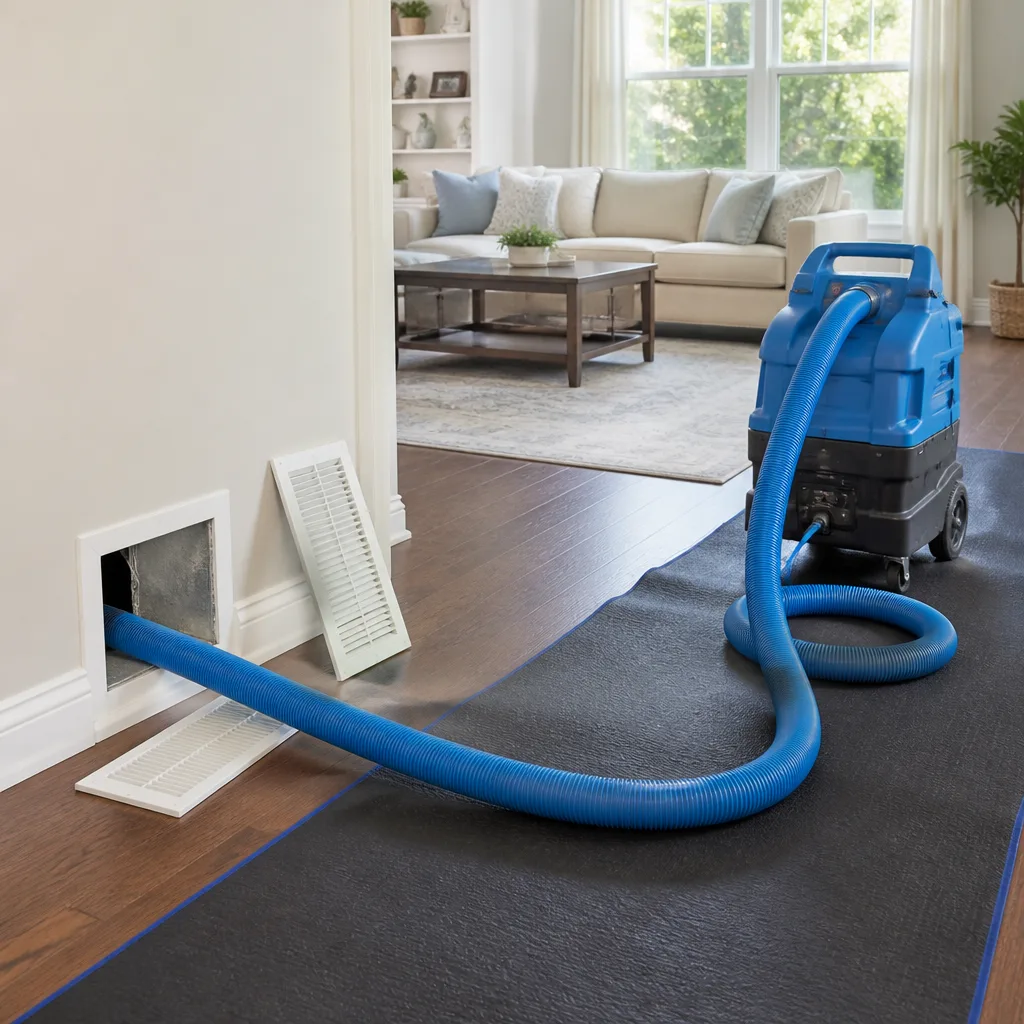 Whole-home duct cleaning
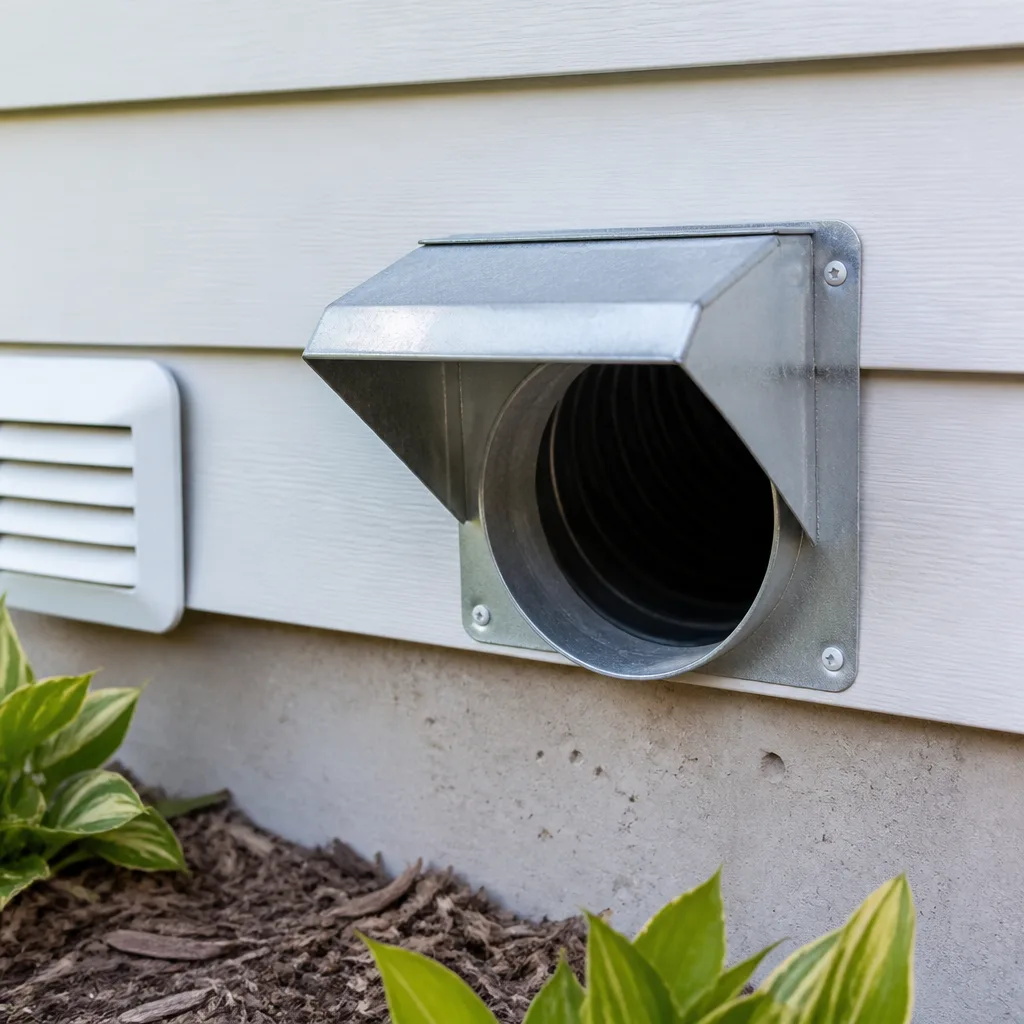 Dryer vent cleaning
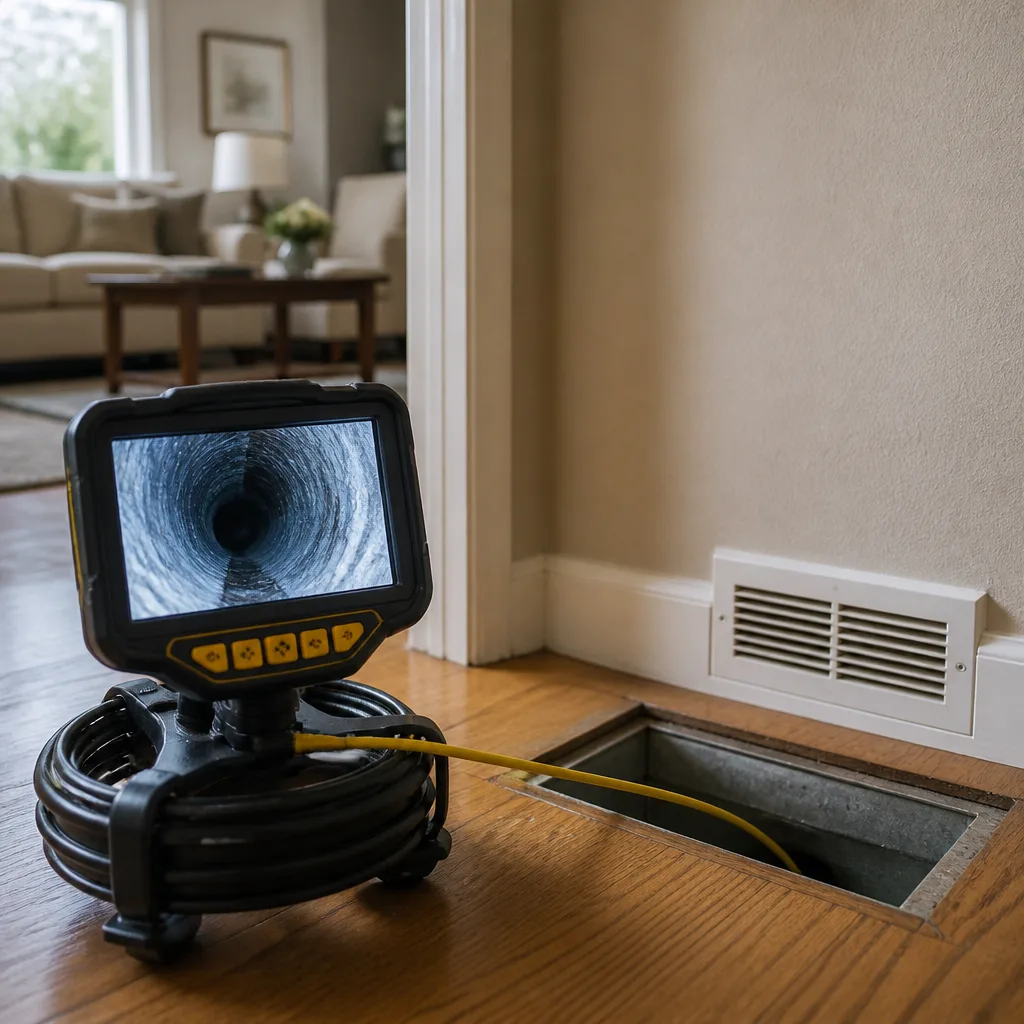 Camera inspection
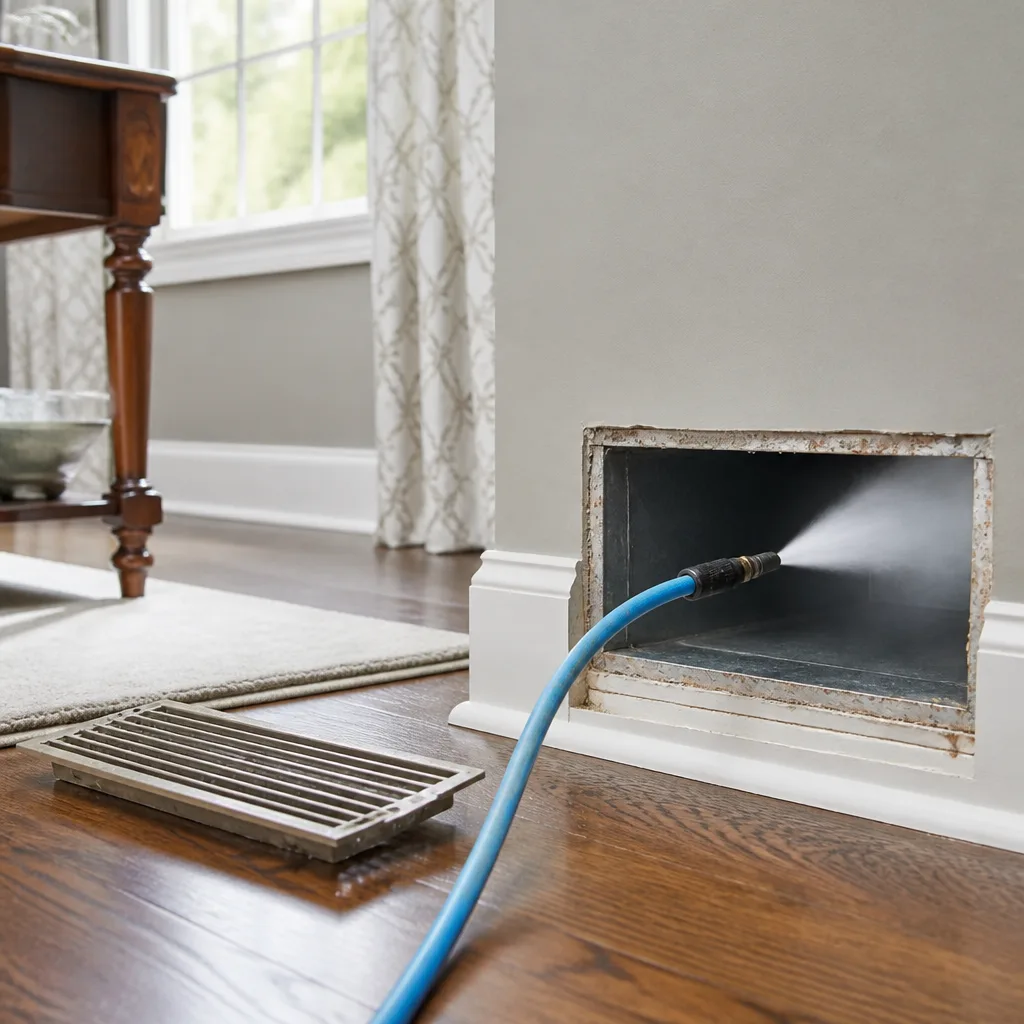 Sanitizing & deodorizing
Whole-system duct and dryer vent check with before-and-after photos - you see exactly what came out of your vents
That "$99 whole-house special" is a bait ad - the real number appears once they are in your hallway, or the "clean" is a shop-vac at the register. We photograph the inside of your ducts before and after instead.
The Complete Guide to Air Duct Cleaning in Southeast Raleigh
Most air duct guides treat the duct system as an isolated piece of equipment. That’s the wrong picture, and in Southeast Raleigh it leads homeowners to an expensive dead end. This part of the city averages above 70% humidity for nearly half the year. Those are months when the air inside your ductwork shifts with the weather outside. A cleaning that leaves seams open and connections loose pulls humid attic and crawlspace air straight back into the living space within weeks. What you paid for quietly disappears. Below is the full story: what a real cleaning covers from intake to register, why moisture and sealing belong in the same conversation, and how to tell a complete job from a quick vacuum. You’ll finish knowing exactly what to ask before anyone touches your system in Southeast Raleigh.
Quick Answer
A complete air duct cleaning in Southeast Raleigh means source removal of debris from supply lines, return lines, the air handler, and registers using professional-grade equipment, plus a moisture check and an assessment of duct leakage so the results hold through the humid season. Cleaning alone, in a climate this damp, addresses symptoms; cleaning paired with repair and sealing addresses the cause. This guide walks through each phase, what it costs, and how to verify the work.
Styles & brands we work with
- Whole-home duct cleaning
- Dryer vent cleaning
- Camera inspection
- Sanitizing & deodorizing
Table of Contents
- Why Southeast Raleigh’s Humidity Changes What Duct Cleaning Means
- Source Removal vs. Blow-and-Go: How to Tell What You’re Being Sold
- Duct Leakage: Why Sealing Is a Step, Not an Upsell
- What Professional-Grade Equipment Actually Does
- The Real Scope Checklist: What’s Included and What’s Optional
- Signs Your Ducts Need Attention in Southeast Raleigh
- How a Complete Cleaning Visit Works, Step by Step
- What Air Duct Cleaning Costs in Southeast Raleigh
- Common Mistakes to Avoid
- When to Call a Professional
- Frequently Asked Questions
Why Southeast Raleigh’s Humidity Changes What Duct Cleaning Means
Southeast Raleigh sits in a stretch of North Carolina where summer dew points climb high and stay there. A duct system running through an unconditioned attic or crawlspace is surrounded by damp air for months at a time. That air pushes at every seam, collar, and joint. When those joints are loose, the pressure differential between the ducts and the surrounding space does the rest.
What this means practically is that a duct that’s merely dirty behaves differently here than in a dry climate. Damp duct interiors hold dust differently. It clumps, it clings to the walls of the duct, and in the worst cases it starts supporting organic growth on surfaces that stay wet. That’s why your first question before any cleaning is a moisture question, not a debris question.
Three checks come before a vacuum goes into the system:
- Moisture at the air handler: condensation stains, standing water in the drain pan, or rusted cabinet seams point to an underlying moisture problem that cleaning alone won’t fix.
- Insulation condition: damaged or missing duct insulation lets the duct sweat in the summer, which keeps the metal wet and undoes hours of cleaning.
- Crawlspace and attic humidity: supply and return runs that pass through a crawlspace in Southeast Raleigh take on the humidity of that crawlspace whenever a joint leaks.
If any of those checks turns up a problem, the right sequence is to address moisture and duct repair first, then clean. Cleaning a wet system is wasted money. The contaminants come back as soon as the system cycles again. Our technicians have up to 13 years of experience, and in our experience the calls that turn into a wasted visit are the ones where cleaning came first and moisture second. Here it needs to be the other way around. If you’re starting from scratch, our air duct cleaning page gives an overview of where to begin.
Source Removal vs. Blow-and-Go: How to Tell What You’re Being Sold
Source removal means physically dislodging the dirt from the inside surfaces of the duct and extracting it from the system before the air handler is put back into service. Blow-and-go means agitating the dirt and letting the air handler push it toward the registers where it’s caught, or not caught, downstream. The first is the standard of care the industry has adopted through the National Air Duct Cleaners Association (NADCA). The second is what you get when a crew arrives with hand tools and a shop vac.
You can often tell which one you’re being sold before the van parks. The signals below are worth listening for during the estimate.
- Do they measure airflow before and after? A source-removal job includes a baseline reading and a follow-up, not just a final walkthrough.
- Do they use negative air? A contained vacuum pulls the entire system into negative pressure so loosened debris leaves the ducts through the vacuum, not into your living room.
- Do they show you the before and after? A real source-removal job yields photos of the same duct section before and after, from inside the duct.
- Do they stop at the visible ducts? If the estimate only covers the runs behind the registers and skips the air handler and returns, it’s not a complete cleaning.
In a humid climate like Southeast Raleigh’s, a blow-and-go cleaning is worse than no cleaning. Loosened dust re-settles and binds to any damp surface it lands on, meaning the ducts look better for a few days and then behave worse. Source removal gets the material out, and containment keeps it out. That’s the standard we work from in Southeast Raleigh, and it’s the standard your estimate should reflect.
Duct Leakage: Why Sealing Is a Logical Step, Not an Upsell
Any cleaning that doesn’t look at duct leakage finishes only half of the job. Here is the reason. A typical forced-air system loses air at its seams, collars, and connections between duct sections. In a mild climate, a small leak is a minor energy issue. In Southeast Raleigh, it’s a contamination pathway. When the supply side pushes air into a conditioned room, the return side pulls an equal amount of air back toward the air handler. Wherever a return joint is loose, the system pulls from the nearest available air. If the nearest air is a humid crawlspace or attic, that’s what enters the system. Cleaning the ducts and then leaving a leaking joint in place is like cleaning a room and leaving a window open.
Duct repair and sealing is a core part of what we do, not an add-on. What the work covers depends on the system, but the goals are consistent:
- Seal the joints between duct sections and at the plenum where the trunk meets the air handler.
- Close gaps at register boots so supply and return air open into the room, not into wall or floor cavities.
- Repair disconnected or crushed flex runs that pinch off airflow to a room and force the rest of the system to work harder.
- Re-secure loose insulation so ducts aren’t sweating through the summer and wetting themselves from the outside in.
Sealing is also the part that holds cleaning results in place. Once the system is tight, the air it moves is the air it was designed to move, and the ducts stay dry. That’s the difference between a cleaning that lasts a season and one that lasts years. When we quote air duct cleaning Southeast Raleigh, sealing is part of the conversation because without it the cleaning is temporary.
What Professional-Grade Equipment Actually Does
The gap between consumer equipment and professional equipment isn’t about power. It’s about containment, reach, and control. A shop vac moves a lot of air at the nozzle, but it captures a fraction of what it loosens and it can’t reach the bottom of a 20-foot run. The gear a duct cleaning specialist brings to a job in Southeast Raleigh works differently.
Rotary brush systems. Rotobrush equipment uses a flexible rotary brush that spins at the end of a long shaft, driven through supply and return runs. The brush dislodges material that has bonded to the duct wall, including the clumped dust that damp air in Southeast Raleigh tends to cement into place. A vacuum line feeds back through the same shaft and pulls the loosened material out as the brush moves. Reach is the key difference: a brush system gets to the far end of a run that a hose alone will never clean.
Negative air and HEPA filtration. Abatement Technologies equipment creates a negative-pressure environment at the air handler so the entire system is under vacuum while the work is happening. Contaminants that come loose are drawn toward the vacuum, not pushed toward your bedrooms. The same equipment class includes HEPA filtration, which captures fine particulate at the filter rather than exhausting it into the room. That’s the part that separates a real cleaning from an agitator with a bag on the end.
Nikro and Guardsman tools. Whip lines, air-driven agitation, and register-cleaning tools from Nikro and Guardsman fill in the parts a rotary brush can’t reach. Registers and grilles get cleaned separately from the duct behind them because they trap a different mix of debris. Every duct system is different, and the tool mix should follow the system, not a script.
What matters to you as a homeowner is the outcome. Professional equipment means the technician can see inside the ducts before and after, work with the system under pressure, and show you proof of what came out. If the estimate you’re considering doesn’t include an on-site visual of the inside of the duct, ask why.
The Real Scope Checklist: What’s Included and What’s Optional
A complete cleaning in Southeast Raleigh touches every part of the forced-air system where dust settles and air moves. The list is not long, but the gaps between a complete scope and a partial one are where most complaints about duct cleaning start. Use this checklist to compare estimates side by side.
What should be included in a complete cleaning:
- Supply lines: every run, from the trunk to the register boot, cleaned with the system under negative pressure.
- Return lines: every return, including the large central return that usually collects the most dust.
- Air handler cabinet and blower: the blower wheel and the cabinet it sits in, cleaned so that air moving through the system doesn’t pick up dirt on the way out.
- Evaporator coil: a visual inspection, cleaning if access allows, since a fouled coil blocks airflow and holds moisture.
- Registers and grilles: removed, washed, and reinstalled (not just wiped in place).
- Moisture assessment: visual check of the air handler, drain pan, and insulation, as covered above.
- Before-and-after documentation: photos of the same duct sections, so you can see the work.
What’s legitimately optional:
- Sanitizing treatment: useful when there’s an odor or a moisture problem that’s already been addressed, not a default line item.
- Duct sealing: assess on every job; it’s optional only in the sense that it’s confirmed by inspection, not assumed.
- Dryer vent cleaning: a separate system, but one worth doing on the same visit. It’s a dedicated service here, and many companies skip it or hand it off.
One visit can cover the whole system. Our five service lines – air duct cleaning, dryer vent cleaning, HVAC cleaning, air quality treatments, and duct repair and sealing – exist precisely so a Southeast Raleigh homeowner doesn’t have to line up three companies for one connected system.
Signs Your Ducts Need Attention in Southeast Raleigh
Duct problems show up in a house the same way they show up in a car: one symptom at a time, until the list gets long. Here are the ones worth paying attention to in Southeast Raleigh, in roughly the order they tend to appear.
- Visible dust on registers within a week of cleaning the house. That’s debris coming out of the supply, not settling from the air in the room.
- A musty smell that shows up when the system first comes on. Odor from the ducts on startup is the strongest single signal for a moisture check.
- Any room that runs hotter or colder than the rest of the house. Uneven airflow usually traces to a compressed or disconnected duct run before it traces to the equipment.
- Higher-than-expected energy use without a corresponding change in habits. Leaking duct joints mean the equipment runs longer to satisfy the thermostat.
- Allergy or asthma symptoms that improve when the system is off. Not evidence of a problem on its own, but a reason to get an inspection.
- Recent renovation dust. Drywall dust is fine enough to pass around a filter and land inside a return. Cleaning after a renovation is better than living with the residual.
- A system that’s never been cleaned. If you’ve owned the home for a while and don’t know the history, the inspection itself is worth the time.
Two or three of these together, in a Southeast Raleigh home that also runs humid through the summer, is a strong case for a system-wide look. One symptom alone is often something else – a dirty filter, a damper issue, a closed register. Get the inspection to know which.
How a Complete Cleaning Visit Works, Step by Step
Nothing about a thorough cleaning is mysterious, but knowing the sequence helps you ask the right questions and follow along. The outline below is how a full-system visit typically runs.
- Before-anything inspection. The technician walks the house, checks the air handler, looks at the visible duct runs, checks for moisture, and takes baseline airflow readings.
- Photographs of the inside of the system. The inside of the duct at the plenum and at a couple of representative runs, before cleaning. These are the photos the after photos will match.
- Register and grille removal. Every register comes off, is washed on site or outside, and is set aside for the duration.
- Negative-air setup. The air handling cabinet is opened and the collection vacuum is connected so the entire system goes into negative pressure before any agitation begins.
- Rotary brush cleaning of supply and return runs. Working from the trunk outward, brush and vacuum at the same time, run by run.
- Air handler and coil. The blower wheel and cabinet are cleaned. The coil is inspected and cleaned if access allows.
- Register reinstallation and airflow re-check. Registers go back, test readings repeat, and the after photos are taken.
- Report and next-steps conversation. The technician shows you the before and after photos and walks through anything the inspection turned up: a leaking joint, a damaged run, a moisture issue worth fixing.
A few parts of this you should expect to see with your own eyes. Ask for the negative-air setup to be shown before the work begins, ask for the before photos while the ducts are still dirty, and ask for the report at the end. If the technician does the cleaning and hands you an invoice without a word about what the inside of the ducts looked like, that’s a signal.
What Air Duct Cleaning Costs in Southeast Raleigh
Duct cleaning in Southeast Raleigh isn’t a per-vent product, and any quote that leads with a per-vent price is worth reading twice. A complete job is priced per system because the scope is per system. The ranges below are typical for the market; your written estimate, agreed before work starts, is the final word.
| Service | Typical Estimated Range |
|---|---|
| Standard whole-system cleaning (supply, returns, registers) | Roughly $350 to $700 for a typical single-family system |
| Cleaning plus air handler and coil | Roughly $550 to $950 |
| Duct repair and sealing, as a separate scope | Roughly $400 to $1,200 depending on the number of leaks and access |
| Air quality or sanitizing treatment | Roughly $150 to $400 |
| Dryer vent cleaning, same visit | Roughly $120 to $250 |
Two things move the range: system size and how much repair the system actually needs. A single-story home with a simple trunk-and-branch layout sits toward the low end. Two systems, a finished basement with dedicated returns, or several disconnected runs push toward the high end. Sealing depends on what the inspection finds, which is why the honest way to quote it is after looking, not before.
Between the cheap quotes and the wide-range quotes there’s a middle-ground answer most homeowners land on: a written estimate that lists what’s included, agreed before the work starts, and a technician who shows you what was found. Our HVAC cleaning page covers the air handler and coil side of the job if you want to compare scope before calling.
Common Mistakes to Avoid
- Treating a per-vent price as the whole price. A per-vent number leaves the air handler, coil, and returns out, and the final invoice is where the rest of the scope shows up. Ask for a per-system price covering the full checklist before you agree to anything.
- Skipping the moisture check in a humid climate. In Southeast Raleigh, the moisture inspection is the part that decides whether cleaning is worthwhile. A crew that starts the vacuum without looking at the drain pan and insulation is skipping the step that matters most here.
- Cleaning without checking for leakage. Ducts that let air in also let contaminants in. Cleaning first and sealing later turns sealing into a second paid visit. Ask for both to be assessed together.
- Accepting “before” photos you can’t match to “after” photos. A photo of a different duct section proves nothing. Ask for the same location, photographed before and after.
- Ignoring the dryer vent because it isn’t heated air. A clogged dryer vent is a fire risk and an energy waste, and it isn’t part of most cleaning quotes unless you ask. It’s a dedicated service line here for exactly that reason.
- Cleaning after a renovation without addressing the return path first. Drywall and sawdust find their way into returns fast. If the renovation is still in progress, ask whether cleaning should wait until the fine dust settles.
- Assuming one cleaning solves everything. A system that isn’t sealed will be dirty again within a season. Cleaning addresses the state of the system; repair and sealing address why it got that way.
When to Call a Professional
Some duct work is routine. Some isn’t, and it’s worth getting a trained eye on it. Call a professional if your ducts have never been cleaned and you don’t know the history, if a musty smell comes out of the registers when the system starts, if a room is consistently hotter or colder than the rest of the house, or if you’ve just finished a renovation and the fine dust is still around. Two more: if you see visible dust build-up at a register boot or joint, and if anyone in the house has been reacting to the air when the system runs. A trained technician can tell the difference between a dirty system that needs cleaning and a leaking one that needs repair first – and the humidity in Southeast Raleigh makes that distinction more important than it is in drier parts of the country. Air Duct Cleaning Southeast Raleigh offers free estimates in Southeast Raleigh. Call (866) 937-7160 to set one up.
Frequently Asked Questions
A complete whole-system cleaning in Southeast Raleigh typically runs roughly $350 to $700 for a standard single-family home, and roughly $550 to $950 when the air handler and coil are included. Any quote you get should be a per-system written estimate that lists what’s covered, not a per-vent number with add-ons left for the invoice. Call (866) 937-7160 for an exact quote; estimates are free.
Cheaper quotes usually leave out scope: the air handler, the coil, the returns, and the containment setup. That’s where most of the actual work is. A low number that only covers the visible supply runs, with the vacuum in the living room and no negative pressure at the cabinet, is priced correctly for what it is, which isn’t a full cleaning. The comparison should be between two estimates of the same scope, not between two headline numbers. Call (866) 937-7160 to get a full-system quote in writing.
Photos of the same duct section before and after, taken from inside the duct, are the most reliable proof, and they’re part of every complete cleaning. Add the before-and-after airflow readings and the technician’s report of what was found, and you have a record of the visit. If a company can’t produce matched photos, ask before the work starts. Call (866) 937-7160 for an estimate that includes that documentation.
For most homes in Southeast Raleigh, cleaning every few years is reasonable, sooner after a renovation, a move-in with unknown history, or if you notice dust returning to registers quickly. The humidity in this part of North Carolina means the more useful question is whether the system is sealed, not just cleaned. A sealed system stays cleaner longer. Call (866) 937-7160 and we’ll help you work out whether it’s time.
No, if the job is set up right. Negative-air containment keeps the system under vacuum so loosened debris travels toward the collection equipment, not into the rooms. The setup should be visible before work starts: the cabinet open, the vacuum connected, the pressure verified. If that step is skipped, dust escapes during the cleaning. Call (866) 937-7160 with questions about how we contain debris on a Southeast Raleigh job; estimates are free.
Sometimes, but the smell has to be diagnosed first. A musty odor coming out of the registers when the system starts usually points to moisture somewhere in the air handler or the ducts, and cleaning without addressing the source will bring the smell back. That’s why the moisture check comes first. Once the moisture issue is found and repaired, cleaning and a sanitizing treatment can finish the job. Call (866) 937-7160 to schedule an inspection; estimates are free.
See the difference
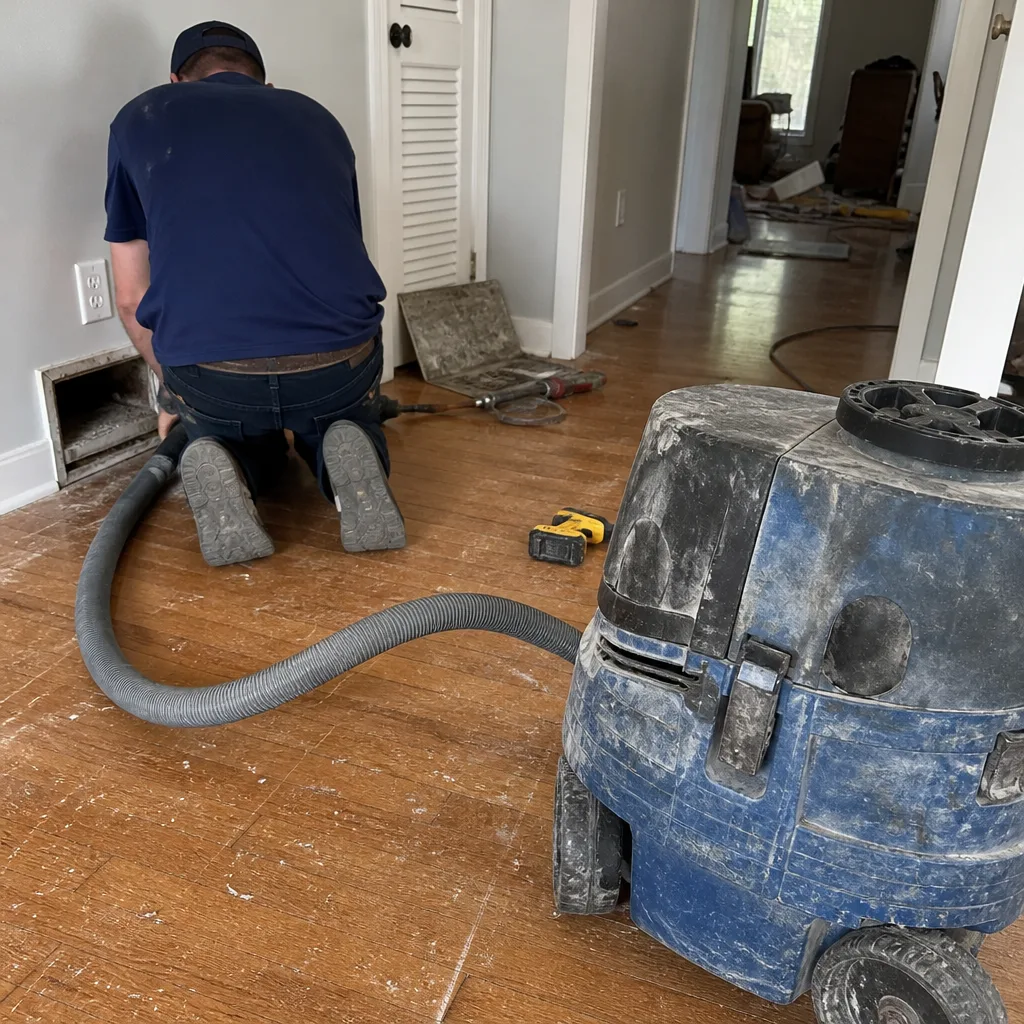 Before
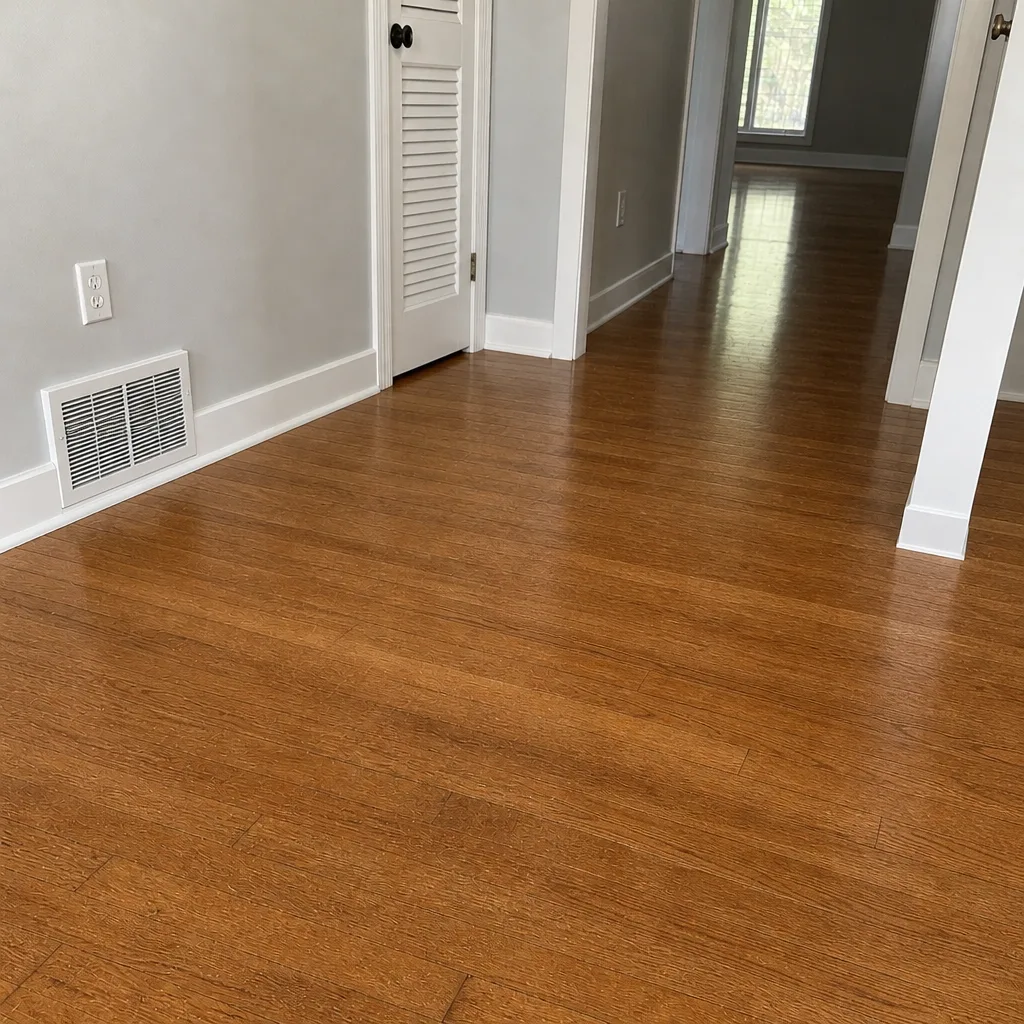 After
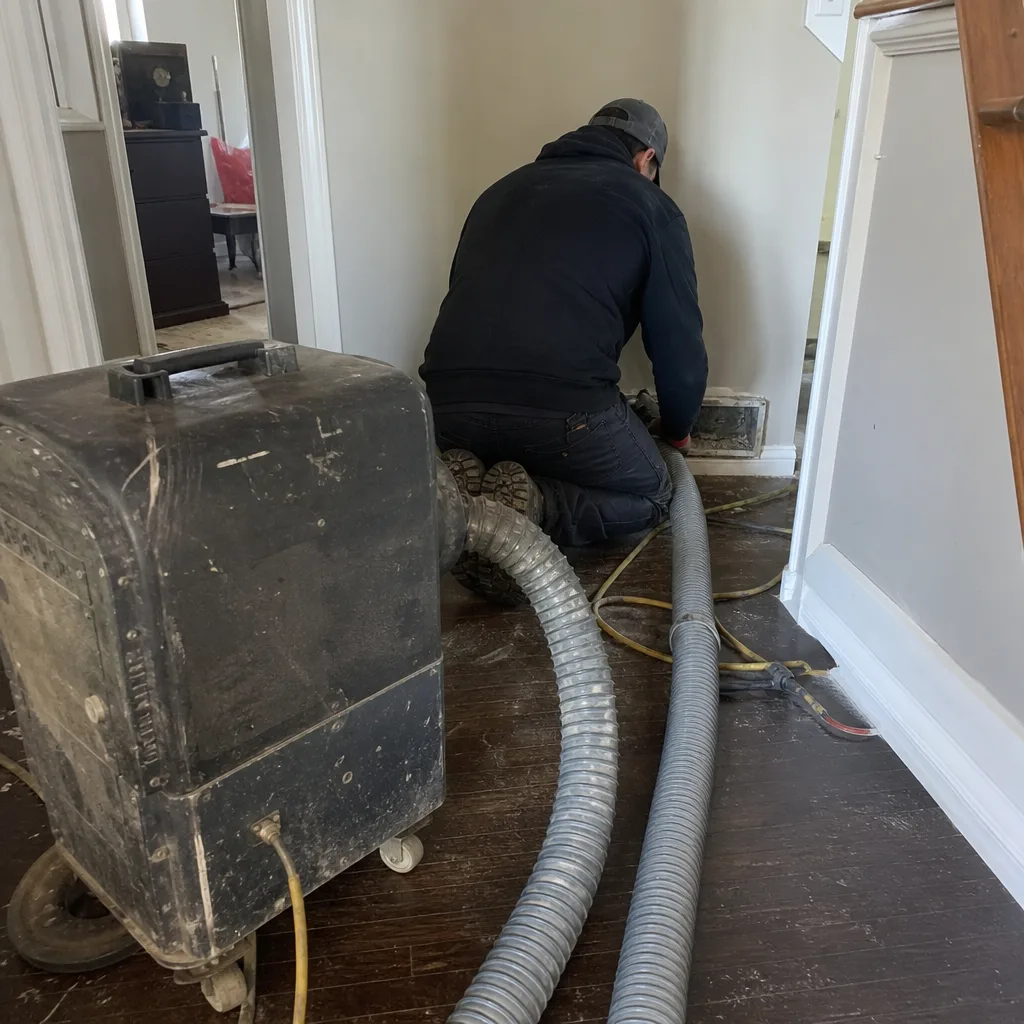 Before
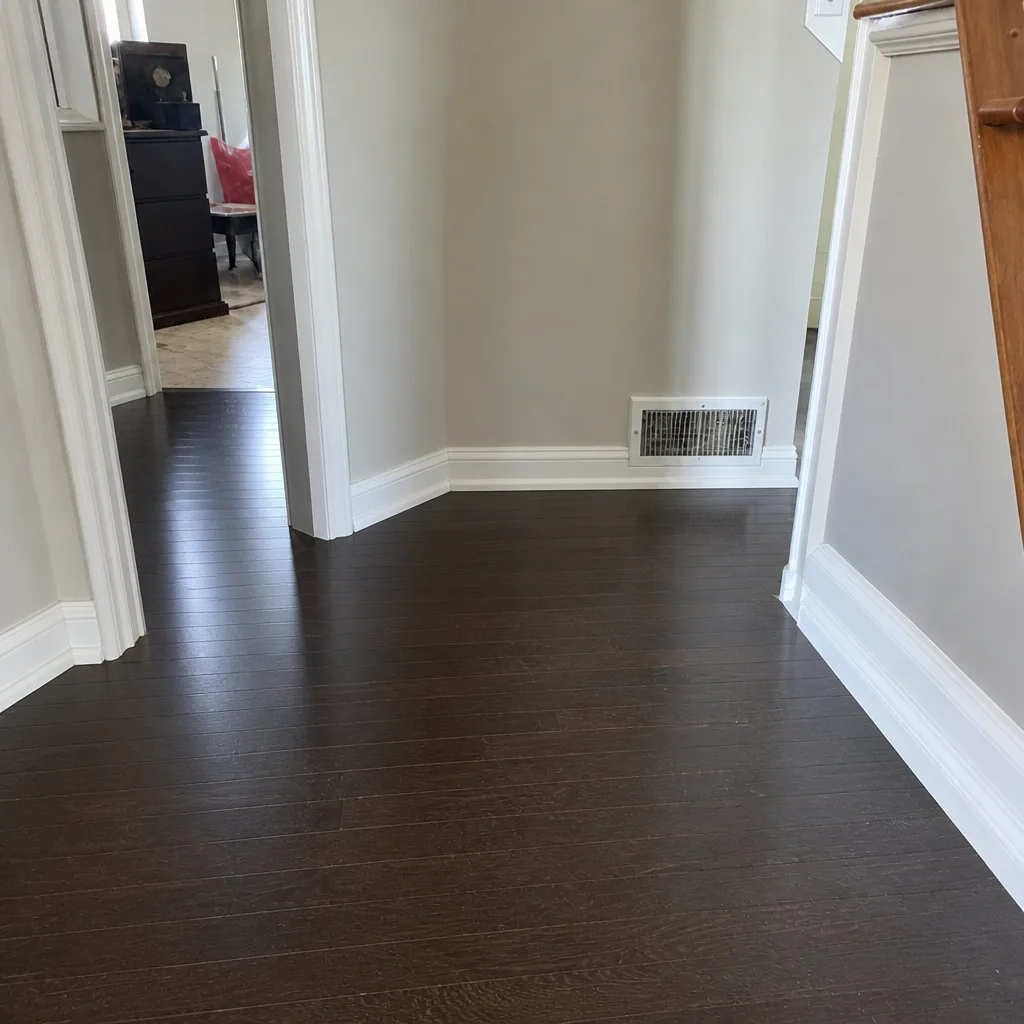 After
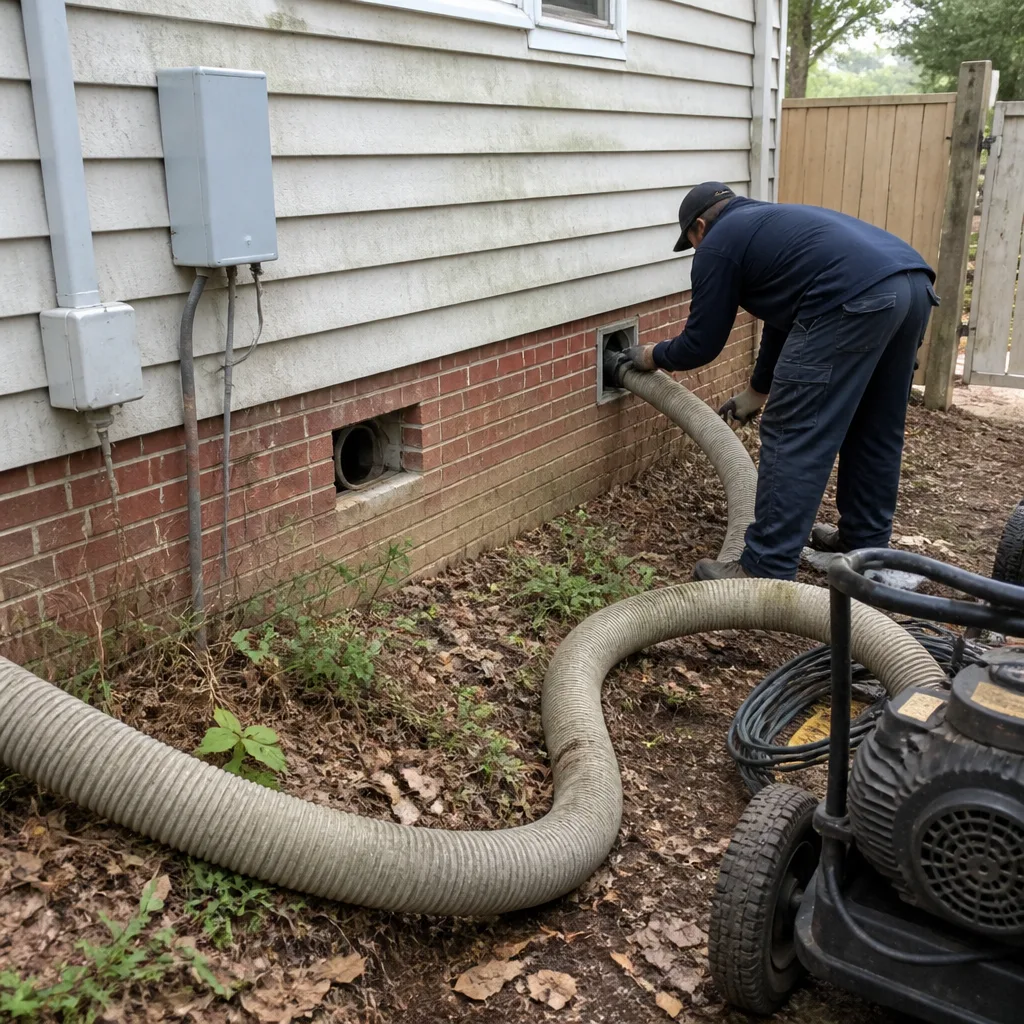 Before
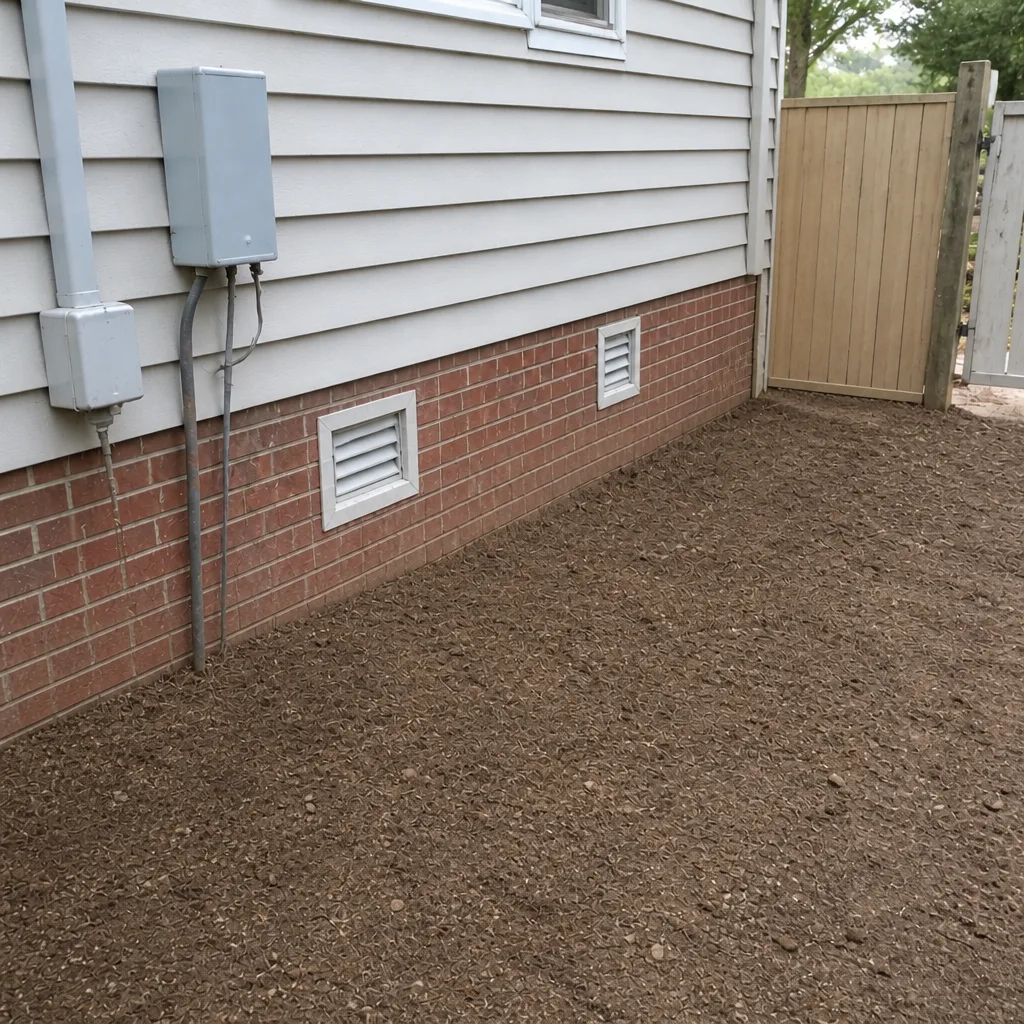 After
The Bottom Line
Air duct cleaning in Southeast Raleigh is only as good as the scope behind it. Source removal with professional-grade equipment, a real moisture check, and a plan for sealing are the three parts that make the work hold through the humid months. A complete job covers supply, returns, the air handler, the coil, and the registers, and it comes with before-and-after photos of your own ducts. A partial job looks the same on the invoice and behaves very differently six weeks later. If you’re ready to find out what’s actually in your ducts, that’s the conversation we’d like to have.
Contact
Air Duct Cleaning Southeast Raleigh handles forced-air system services in Southeast Raleigh: air duct cleaning, dryer vent cleaning, HVAC cleaning, air quality and sanitizing treatments, and duct repair and sealing. We use professional-grade Rotobrush and Nikro equipment with Abatement Technologies negative-air containment, and we set one flat price per system, agreed before work starts. Call (866) 937-7160 for a free estimate. We answer 24/7. Fast dispatch from 7am to 7pm, Sunday through Friday.
Written by the team at Air Duct Cleaning Southeast Raleigh.